
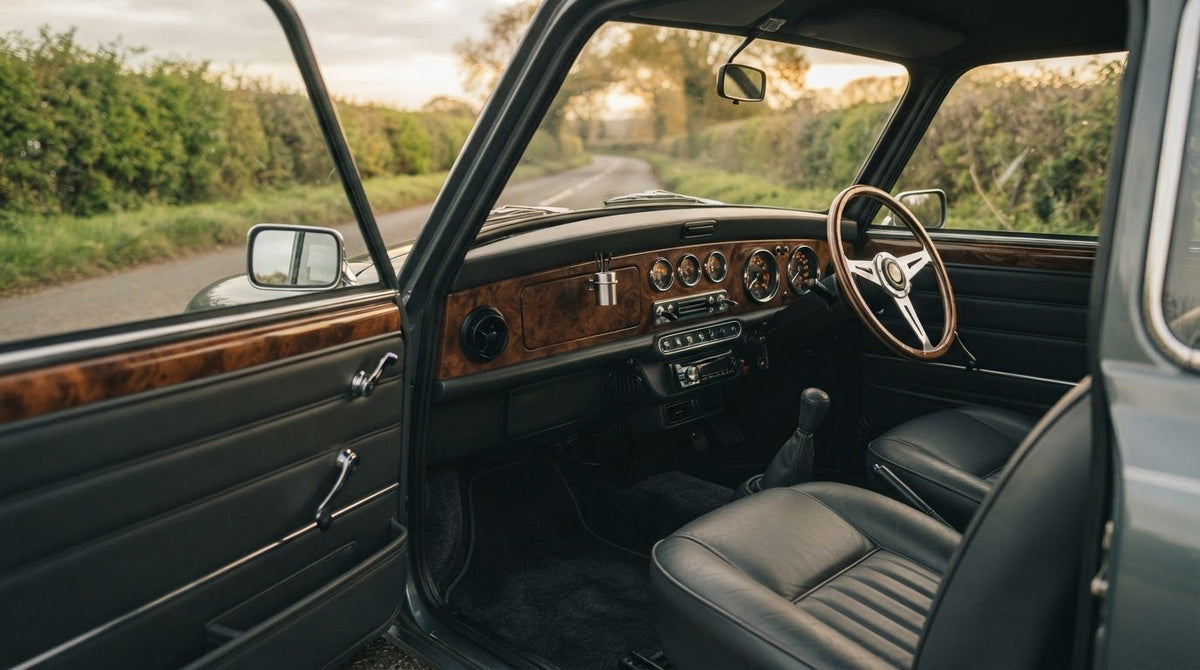
A bigger screen won’t automatically make an old car feel luxurious. The real difference comes from details you notice every time you drive: a comfortable seat, a calm cabin, controls that feel good to use and materials that suit the car’s character. If you’re wondering how to make an old car feel luxurious, start with the experience, not a pile of flashy upgrades.
It’s easy to feel overwhelmed by the choices, especially when a modern accessory could look out of place in a much-loved classic. You don’t need to erase what makes your car special. A few considered improvements can refresh comfort and atmosphere while keeping its original personality front and centre.
This guide helps you prioritise changes, from cleaning tired touchpoints and improving everyday comfort to choosing technology that fits the cabin. You’ll also see how a subtle fragrance can add another layer to the drive without standing in for repairs or a proper clean. Think character, comfort and polish, built one smart step at a time.
Key Takeaways
- Luxury is a considered cabin experience shaped by comfort, usability and a cohesive feel, not a badge or a new-car requirement.
- Use a simple refresh order: clear clutter, clean carefully, address worn areas, then decide whether an upgrade is worthwhile.
- Learn how to make an old car feel luxurious by matching comfort, quiet, lighting, audio and technology upgrades to the car’s design and your daily driving needs.
- Plan changes around your priorities, passengers and commute, and introduce one upgrade at a time to keep the result balanced.
- Once practical issues are handled, a carefully chosen car fragrance can add atmosphere, but it won’t mask persistent odours.
What Makes an Older Car Feel Less Luxurious? Start with the Experience
Luxury isn’t a badge, a fresh registration plate or a new-car requirement. It’s the feeling that the cabin works with you: comfortable to sit in, calm to travel through and pleasing to touch. A well-kept older car can feel more considered than a newer one when its details are clean, cohesive and easy to use.
A luxurious cabin feels calm, comfortable and intuitive every time you get behind the wheel, whatever the car’s age or price. That experience comes from several cues working together: cleanliness, supportive seating, quiet, satisfying materials, useful controls and an atmosphere that suits the car. No single trim piece can create the whole effect.
Separate what you see from what you feel and hear. Clutter, faded surfaces and scuffed trim catch the eye. A seat that no longer supports you, a sticky control or a persistent rattle affects the drive directly. Small mismatches add up: a glossy accessory in a muted cabin, loose items in the door pocket and a distracting squeak can all make the interior feel less intentional.
Which details shape a premium-feeling drive?
Notice how the cabin behaves during an ordinary journey. Can you reach the controls without searching? Is the seat and steering position comfortable for your commute? Does wind, road or trim noise interrupt conversation or music? These details matter because quality isn’t only about how an interior looks; it’s also about how naturally it supports the driver. The overview of Principles of Car Interior Design offers useful context on how comfort, entertainment and styling shape a car’s interior.
How to assess your car before changing anything
Park somewhere quiet and take a slow, practical look around. Sit in the driver’s seat, test the main controls and run your hand over frequently touched surfaces. Check the windows for haze or streaks, and look in the storage spaces for clutter. On your next drive, note distracting noises, uncomfortable touchpoints and signs that routine upkeep may have been neglected.
Write down what you notice before browsing upgrades. A short inspection list makes it easier to separate immediate needs from cosmetic preferences:
- Seat and driving position: note discomfort, worn fabric or a poor fit.
- Controls and touchpoints: flag anything awkward, sticky or damaged.
- Surfaces and windows: spot dust, marks, faded trim or restricted visibility.
- Cabin sounds: record rattles, squeaks or other noises that draw your attention.
- Storage and atmosphere: identify clutter and anything that makes the space feel neglected.
Choose a short priority list based on how you use the car. A daily commuter may value a comfortable seat and fewer distractions; a car used for family trips may need clearer, more organised storage. That’s the smart first move in how to make an old car feel luxurious: assess the experience before adding anything, and let the car’s character guide what comes next.
Refresh the Fundamentals Before Upgrading an Older Car
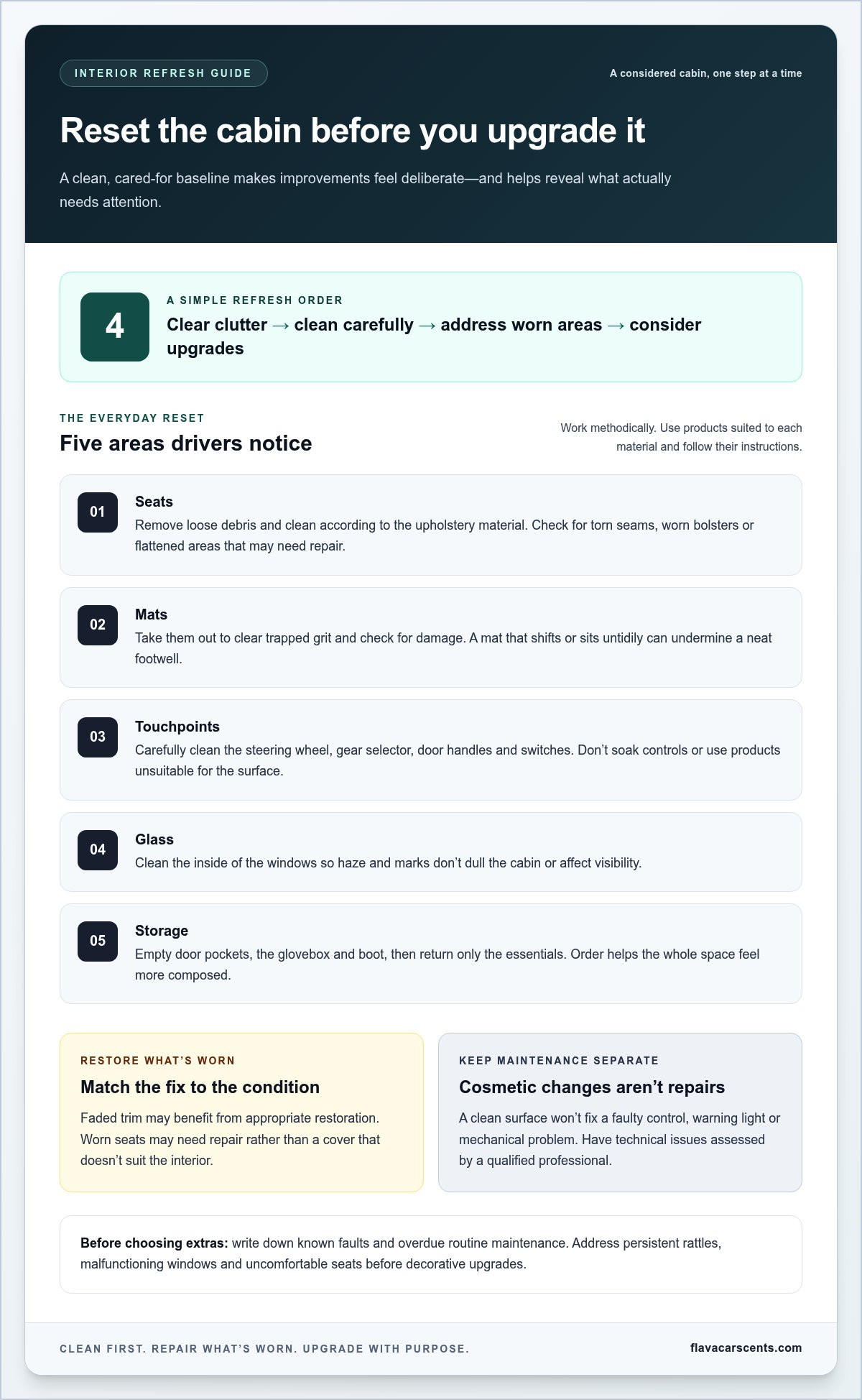
Before adding trim, technology or accessories, give the cabin a proper reset. A tired interior can make even a well-chosen upgrade look out of place. A clean, cared-for baseline helps each improvement feel deliberate. Clear storage, clean surfaces and windows, address worn touchpoints and deal with maintenance needs first. This order helps you identify what actually needs attention instead of buying upgrades to distract from the underlying issue.
Keep appearance and condition in separate lanes. Cleaning or restoring a surface can improve how it looks, but it won’t fix a faulty control, warning light or mechanical problem. A dependable drive and a cabin that feels looked after work together, but cosmetic changes aren’t a substitute for repairs.
Clean and restore the parts drivers notice every day
Work methodically, using products suited to each material and following their instructions. Start with the areas you see and touch most often:
- Seats: Remove loose debris and clean according to the upholstery material. Look for torn seams, worn bolsters or flattened areas that may need repair.
- Mats: Take them out to clear trapped grit and check for damage. A mat that shifts or no longer sits neatly can undermine an otherwise tidy footwell.
- Touchpoints: Clean the steering wheel, gear selector, door handles and switches with care. Avoid soaking controls or using a product that isn’t suitable for the surface.
- Glass: Clean the inside of the windows so haze and marks don’t dull the cabin or affect visibility.
- Storage: Empty door pockets, the glovebox and boot, then return only the essentials. Order makes the whole space feel more composed.
Look beyond dirt, too. Faded trim may benefit from appropriate restoration, while worn seats may need repair rather than a cover that doesn’t suit the interior. Cloudy exterior lights are another restoration consideration, but treat them as a visibility and vehicle-care issue, not just a styling detail.
Address maintenance and wear before adding extras
Write down known faults and overdue routine maintenance. A persistent rattle, malfunctioning window or uncomfortable seat deserves attention before you spend time choosing decorative upgrades. If a noise or fault points to a technical issue, consult trusted automotive repair manuals australia for guidance or have it assessed by a qualified professional. Don’t try to disguise a problem with added sound, scent or trim.
Once the basics are handled, the difference is easy to feel: clean glass sharpens the view, orderly storage reduces visual noise, and cared-for touchpoints make everyday use more satisfying. A clean, well-maintained baseline lets upgrades sit comfortably with the cabin’s materials and design instead of competing with dirt, damage or unresolved faults. That’s the practical foundation for how to make an old car feel luxurious.
Only then consider an atmospheric finishing touch. If fragrance suits the cabin, browse car fragrance options as a final layer, not a cover-up for smoke or persistent odours.
Which Interior Upgrades Make an Old Car Feel More Luxurious?
The right upgrade isn’t necessarily the newest or most expensive. It’s the change that makes your car more comfortable, calmer or easier to use without fighting its original design. The best upgrade is the one that solves a real daily-use irritation. Use the comparison below to match a change to what you notice on the road, then check that it will suit the car and your routine.
| Upgrade category | Experience it can improve | Fit considerations |
|---|---|---|
| Seat refurbishment or suitable covers | Support and comfort on longer journeys | Match the seat shape, upholstery and interior finish. Covers must fit correctly and be suitable for the specific seats. |
| Cabin noise treatment | A calmer drive with less road or trim noise | Identify the source first. Added materials won’t repair a loose component or mechanical fault. |
| Audio refresh | Clearer listening and easier everyday control | Check the existing system, available space and control layout before selecting components. |
| Lighting and trim | A more inviting cabin and refreshed appearance | Choose subtle brightness and finishes that complement the original interior. |
| Infotainment technology | More convenient access to media or navigation | Check vehicle compatibility, wiring and installation requirements, including how factory controls may be affected. |
Prioritise comfort, quiet and everyday usability
If the driver’s seat feels tired, refurbishment may preserve the original look better than a generic cover. Covers can be a simpler visual refresh, but fit and material determine whether they look considered or slip out of place. For a noisy cabin, distinguish road noise from a loose trim piece or a fault that needs attention before considering sound treatment. Clear audio and controls that are easy to use can also make more difference than simply chasing maximum volume.
Think about the journeys you make most. If you spend long stretches in the car, seat support may matter more than a new head unit. If you mainly drive around town, intuitive controls and clear audio might be higher priorities. For drivers taking an older vehicle on rougher terrain or long-distance touring, resources from Precision Offroad 4x4 can help guide how vehicle handling and practical upgrades complement cabin comfort. A good fit is personal: it should suit your routine, the cabin’s materials and the way you use the car.
Choose lighting, trim and technology with restraint
Refreshed trim can sharpen a worn interior, while ambient lighting may add warmth after dark. Neither is automatically an improvement. A bright, cool glow or a finish that clashes with the dashboard can make an older cabin feel less cohesive. Pick tones and materials that echo details already in the car, and keep the effect subtle.
Technology deserves the same restraint. A replacement audio unit or display may make everyday use more convenient, but vehicle compatibility varies. Check the fit, wiring, available functions and installation requirements for the specific car. Leave work involving complex wiring or safety systems to a qualified professional. Reversible additions, fitted cleanly and without unnecessary dashboard changes, can preserve the car’s character while adding convenience.
That’s how to make an old car feel luxurious without turning it into a copy of something newer: choose one upgrade that answers a real need, make sure it belongs in the cabin, then live with the result before adding more. A focused change often feels more premium than a collection of mismatched extras.
How to Plan a Luxury Refresh for Your Older Car
A polished result comes from making the right changes in the right order, not from changing everything at once. Treat the refresh as a plan, and account for the car’s condition, the work involved and the choices you make.
Start with how the car fits your real life. A short daily commute may make easy-to-use controls and a comfortable driving position your top priorities. Regular long journeys could put seat support and a calmer cabin first. If you often carry passengers, consider their comfort and where their belongings go. Think about the conditions you drive in, too, and whether effective ventilation or an easy-to-clean cabin matters for your routine. Keep the car’s original design in view throughout.
Build a refresh order around your daily drive
Before choosing parts or finishes, rank comfort, quiet, appearance and convenience by personal importance. Write down what’s essential, what would be nice and what can wait. Keep safety or mechanical concerns and overdue maintenance separate from optional aesthetic changes, so a visual upgrade never gets mistaken for a repair.
A simple five-stage plan keeps decisions focused:
- Assess: Note what feels worn, awkward or distracting during typical journeys.
- Set priorities: Rank the issues by how often they affect you and your passengers.
- Restore: Deal with essential maintenance and repair needs before cosmetic changes.
- Select one upgrade: Choose a change that addresses your highest-priority irritation and suits the vehicle.
- Review: Use the car as normal, then decide whether another change would genuinely help.
Record the starting point with brief notes or photos. Capture details such as seat condition, trim finishes, control layout and cabin lighting. This makes it easier to compare the result with what you intended, rather than relying on memory or getting pulled along by social-media trends.
Keep the result cohesive and easy to live with
Choose colours, materials and features that sit naturally beside the dashboard, seats and existing trim. A subtle update can feel more at home than a dramatic contrast. Avoid introducing several competing elements at once, such as bright lighting, glossy trim and a prominent display. Each may appeal on its own, but together they can make the cabin feel busy rather than refined.
After each change, take a normal drive and reassess. Is the control still easy to reach? Does the lighting affect visibility? Is the seat more comfortable, and does the new finish work alongside the original interior? If an addition complicates daily use or distracts from the car’s character, reconsider it before building around it. This deliberate approach is how to make an old car feel luxurious while keeping the refresh personal and balanced.
Once practical priorities are settled, a suitable fragrance can be a finishing detail. Explore car fragrance options to complement the atmosphere you’ve created, rather than adding another change before the cabin feels cohesive.
Finish the Cabin with a Signature Atmosphere
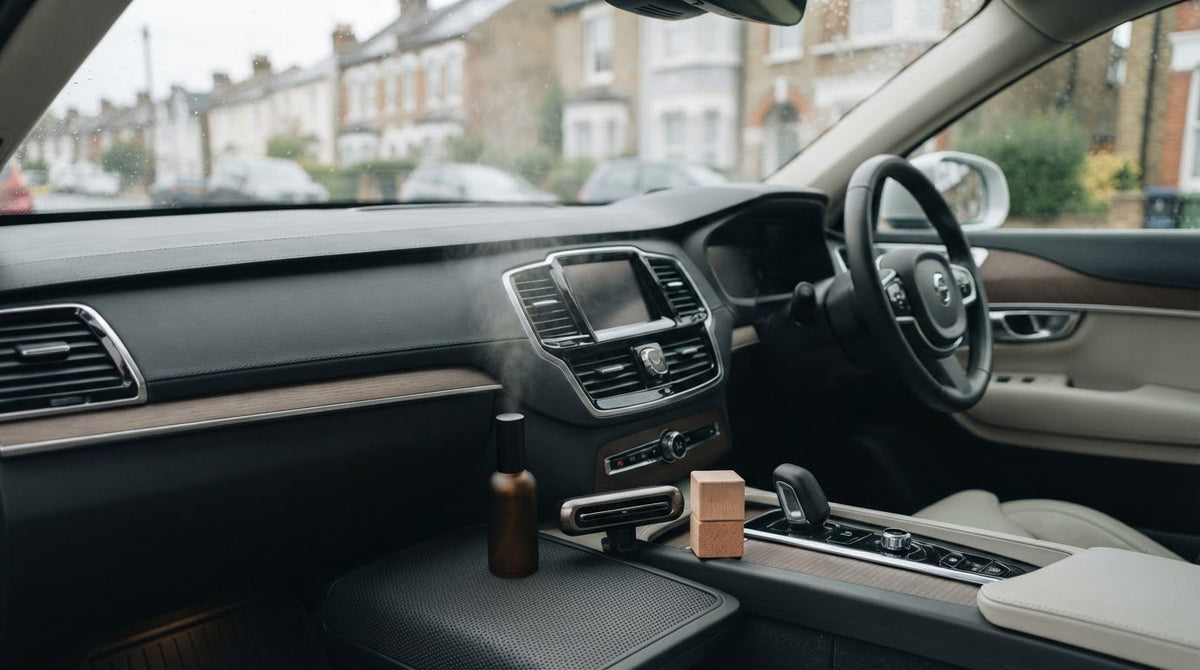
Once the interior feels clean and practical, fragrance can add a personal finishing touch. It won’t repair the cabin or make a neglected space feel cared for on its own. Think of it as the final layer: a scent that complements the car’s materials, your daily routine and the mood you want behind the wheel.
That distinction matters. Smoke, damp or another persistent odour needs its cause addressed, not covered with fragrance. Deal with the source first, then decide whether a scent belongs in the refreshed cabin. This keeps the atmosphere considered rather than overwhelming, and lets the car’s comfort and character lead.
Choose a fragrance that suits the cabin’s mood
Choose a scent profile you’re comfortable experiencing during ordinary journeys, not just one that catches your attention at first. Consider who regularly travels with you, how often you drive and whether the cabin already has a strong visual character. A restrained fragrance can sit neatly alongside a classic interior; it shouldn’t compete with the drive or become the cabin’s defining feature. For more guidance on choosing a car scent, explore this car perfume guide.
Flava’s car fragrances are inspired by well-loved designer aftershaves and perfumes, bringing a familiar style of scent into the car. Treat that inspiration as a starting point, then choose what feels right for the space and your taste. The aim isn’t to make an older vehicle imitate a new luxury model. It’s to make the cabin feel more personal and complete.
Explore car fragrance formats as a finishing touch
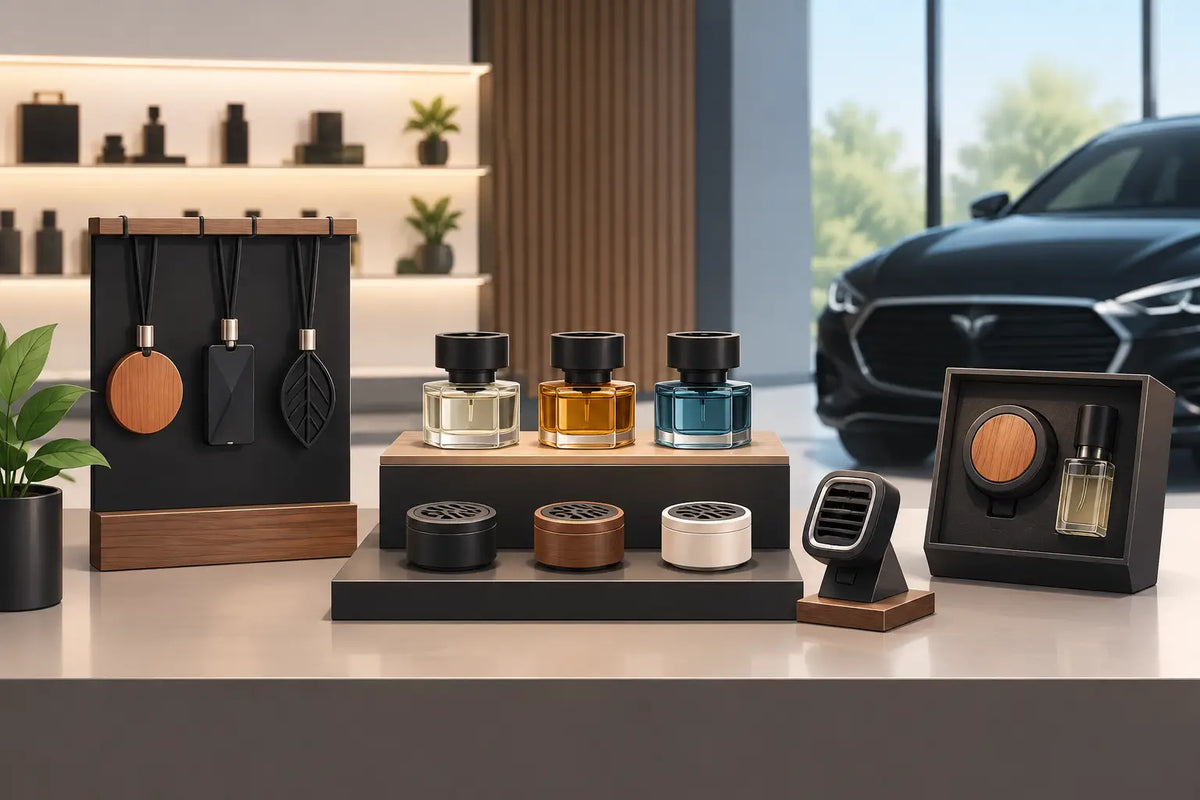
Car fragrance comes in different formats, so consider how each fits your cabin and preferences. Flava offers vent clips, turbo can sprays, tins and wood diffuser designs. These formats aren’t a reason to add several scents at once. Choose one approach, let it become part of the cabin’s atmosphere, and keep the rest of the interior’s visual and sensory details in balance.
If you’re weighing up different types of car fragrance, the car air freshener guide provides broader information to help you consider the options. A thoughtful scent is one small but memorable detail in how to make an old car feel luxurious: not a substitute for upkeep, but a finishing touch that reflects your style.
When the cabin is ready, Flava’s car scents offer a finishing detail to suit the atmosphere you’ve created.
Give Your Next Drive a More Personal Feel
Your car doesn’t need to become something else to feel special. Let its age and character set the direction, then make each choice feel like it belongs. The most rewarding upgrades are the ones you notice in everyday use, because they make familiar journeys more comfortable and distinctly yours.
That’s the spirit behind how to make an old car feel luxurious: create an experience that feels considered, not copied. Once the cabin is ready, fragrance can provide a final personal note. Flava’s car scents include vent clips, turbo can sprays, tins and wood diffuser designs, with fragrances inspired by well-loved designer aftershaves and perfumes.
Choose a scent that fits your taste and the mood you want for the drive. Explore Flava Car Scents and find a finishing touch for your cabin. Then turn the key, settle in and enjoy a drive that feels a little more like yours.
Frequently Asked Questions
Can an old car feel luxurious without changing its original character?
Yes. Keep recognisable details, such as the original colour palette, switchgear or distinctive upholstery, and choose improvements that support rather than replace them. For example, a sympathetic seat repair may suit the cabin better than a contrasting cover. Respecting the car’s character doesn’t mean ignoring a frayed seat belt, faulty latch or other safety concern. Address worn or unsafe components appropriately, while shaping the driving experience around the design that makes the car yours.
Is it better to restore an old car or upgrade its interior first?
Assess the car’s condition before deciding. If it has a known fault or overdue maintenance, deal with that before optional changes. Restoration returns a worn or damaged part towards good condition; an upgrade changes comfort, appearance or convenience. For instance, repairing a loose interior panel and replacing it with a different trim piece solve different problems. Your vehicle’s needs and your priorities determine the order, so don’t treat an upgrade as a substitute for restoration.
Can aftermarket technology look right in a classic car?
Yes, if the choice fits the vehicle and feels visually integrated. A discreet audio unit with controls that are easy to reach may suit a classic dashboard better than a large screen that dominates it. Compare the new finish with existing materials, and consider whether the installation will affect original controls or features you value. Compatibility varies by vehicle, so use car-specific fit information and installation requirements to guide your choice rather than assuming a product will fit.
What should I avoid when upgrading an older car’s interior?
Avoid changes that compete with one another or make everyday driving less straightforward. Bright lighting, clashing trim and loose accessories can overwhelm a simple cabin, while a poorly placed screen may distract or obstruct a useful view. Don’t use cosmetic additions to hide a fault, and choose materials and installation methods appropriate to the vehicle. The aim isn’t to add the most features; it’s to make the cabin more comfortable and coherent.
Do seat covers always make an older car feel more luxurious?
No. Covers can refresh the look or protect existing upholstery, but the result depends on how well they suit the seat shape, fabric and cabin. A loose fit or unrelated finish may draw attention to the seats rather than improve them. If the original upholstery is worn, compare a well-fitting cover with repairing or refurbishing the seat. Choose based on its condition, your comfort and whether you want to retain the original interior.
How can I make an older car feel more refined on everyday journeys?
Notice the small irritations that return on familiar trips: a gear knob that feels uncomfortable, road noise that makes conversation difficult, or dirty glass that dulls your view. Tackle the underlying practical issue first, then consider one compatible change that would improve your routine. That’s a grounded way to approach how to make an old car feel luxurious: focus on your own journeys, whether that means comfort for a commute or a calmer cabin for longer drives.

Leave a comment
This site is protected by hCaptcha and the hCaptcha Privacy Policy and Terms of Service apply.