
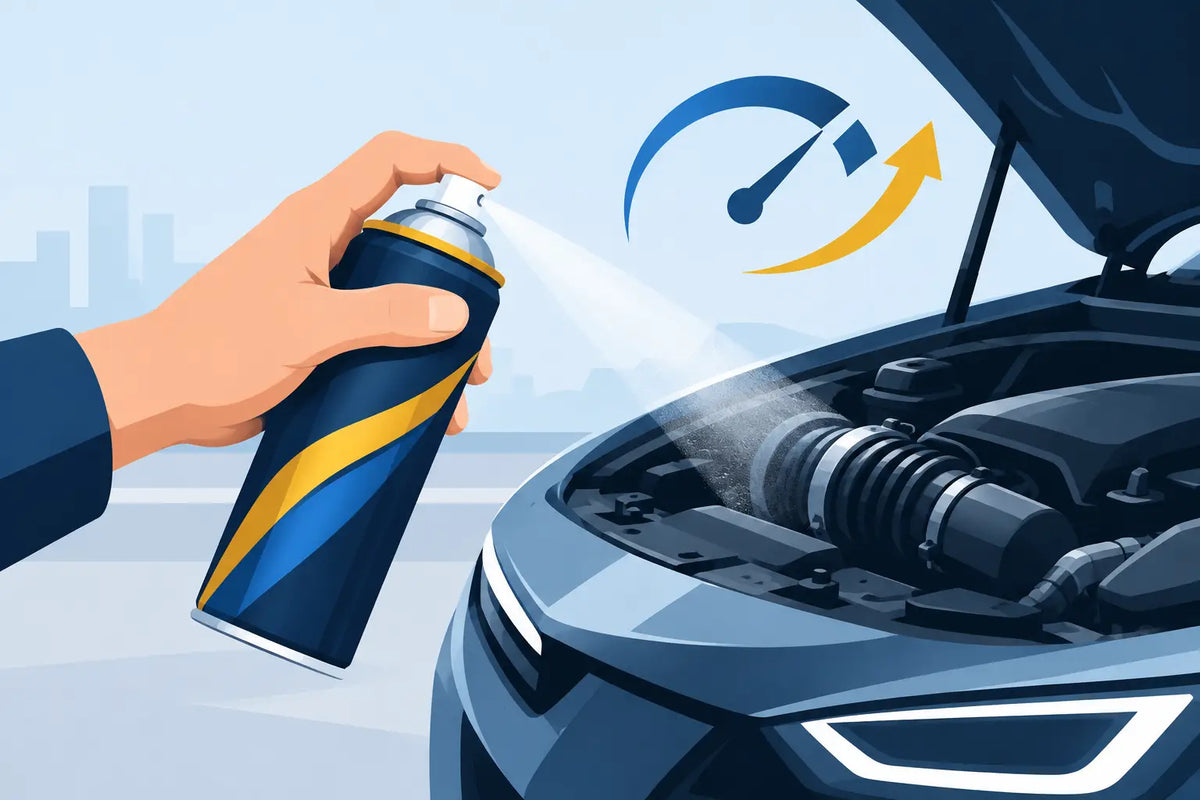
A clean car can still feel unfinished if the scent is flat, stale, or overpowered by last week’s coffee run. When you use turbo can spray correctly, you can refresh the cabin quickly and give every drive a more polished, designer-inspired finish. The difference is not just the fragrance itself. It is how, where, and when you apply it.
Turbo can spray is made for drivers who want an immediate scent upgrade without filling the cabin with a heavy, chemical cloud. Whether you are getting ready for a passenger, resetting your car after a long commute, or adding the final touch before a weekend drive, a few intentional sprays can change the atmosphere fast.
What Makes Turbo Can Spray Different?
A turbo can spray is designed to deliver fragrance with more impact than a standard hanging air freshener. It is a quick-refresh format that works well when your vehicle needs attention now, not several days from now. Think of it as the finishing spray in your car care routine: fast, effective, and easy to match to your mood.
This format is especially useful for busy drivers, rideshare owners, detail-focused car enthusiasts, and anyone who wants their interior to make a strong first impression. It also gives you more control than passive scent formats. You decide when to refresh, how much fragrance to use, and whether your car calls for a subtle layer or a more noticeable scent presence.
That control matters. A premium fragrance should feel intentional, not like it is trying to cover something up.
How to Use Turbo Can Spray in Your Car
Start with a reasonably clean interior. Turbo can spray works best when it enhances a fresh cabin rather than fights visible dirt, food packaging, damp floor mats, or an overflowing cup holder. Remove the obvious sources of odor first, especially trash, wet gear, and old takeout bags.
Before spraying, check the product label for the recommended directions and safety guidance. In general, keep the can upright, point it away from your face, and apply the scent lightly into the open cabin. A short burst is often enough for smaller cars, while larger SUVs and trucks may need a little more. Let the fragrance settle before deciding whether to add another spray.
Avoid spraying directly onto the steering wheel, pedals, gear selector, screens, leather seats, delicate trim, or glass. These surfaces do not need fragrance, and overspray can leave residue depending on the material and product formula. The goal is to scent the air and soft interior space, not coat your dashboard.
For the best result, spray into the cabin with the doors open or windows slightly lowered. Then close the doors for a few moments to allow the fragrance to settle through the interior. If you prefer a lighter finish, leave the windows cracked or run the fan briefly after application.
Choose Your Moment
The best time to use turbo can spray is after cleaning, before picking someone up, or at the start of a drive when you want the cabin to feel renewed. A quick refresh before a date, client meeting, road trip, or rideshare shift can make your vehicle feel far more considered.
It is also ideal between deeper cleans. Even a well-maintained interior can collect everyday odors from gym bags, pets, rain, fast food, or long commutes. A targeted spray brings the scent profile back without requiring a full detail.
How Much Turbo Can Spray Should You Use?
More is not always more luxurious. In fact, one of the easiest ways to make a premium scent feel cheap is to overspray it. Start light, wait a minute, and build only if the cabin needs more presence.
For a compact car, one short application may be enough. Sedans may need one or two brief bursts, while a larger SUV can usually handle a slightly fuller refresh. Your personal preference matters too. Some drivers want the scent to greet them when they open the door; others prefer a quieter fragrance that becomes noticeable once the cabin warms up.
Fragrance also behaves differently based on temperature. A hot car can project scent more strongly, while a cold cabin may need a little time for the fragrance to open up. If you are applying spray after the vehicle has been sitting in the sun, use less than you think you need.
Where to Spray for a Cleaner Scent Experience
The open air of the cabin is the safest choice, but placement still affects the result. Aim toward the footwell area, open rear seating area, or the space beneath the dashboard rather than directly at surfaces. These areas help the scent disperse naturally as air moves through the car.
You can also refresh the interior after vacuuming the carpets and mats. Soft materials tend to hold onto lingering odors, so a light application into the open cabin can help the entire interior feel more complete. Just do not saturate upholstery, carpet, headliners, or seat belts.
If your car has strong airflow from the vents, use it to your advantage after spraying. Run the fan at a low or medium level to circulate the fragrance through the cabin. Avoid blasting the air immediately after a heavy application, since that can make the scent feel too intense all at once.
Pair Turbo Can Spray With Your Scent Routine
Turbo can spray is at its best as part of a layered fragrance routine. A vent clip, wood diffuser, scent tin, or refillable vent system can create a consistent everyday base, while spray gives you the power to refresh on demand. The passive format maintains the atmosphere; the turbo can brings back the first-impression factor when you need it.
This approach also lets you rotate scents without replacing everything at once. Use a clean, crisp fragrance for daily commuting, then reach for something warmer or more luxurious before a night out. Drivers who treat their car as an extension of personal style often enjoy having more than one scent profile on hand.
The trade-off is simple: layering can create a richer experience, but only when the fragrances work together. Combining several bold scents can become confusing quickly. If you use a diffuser or vent clip, choose a turbo can spray in a complementary fragrance family, such as fresh with fresh, woody with warm, or clean with subtle citrus.
Common Mistakes to Avoid
Do not use fragrance as a substitute for cleaning. If the car smells like mildew, smoke, pet accidents, or spoiled food, identify and remove the source before adding scent. Turbo can spray can elevate a clean interior, but it cannot solve a persistent odor problem on its own.
Avoid applying spray in a fully enclosed vehicle with no ventilation, especially if you are sensitive to fragrance. Give the product time to settle, and always use it according to its label directions. Keep it away from heat sources, open flames, and direct sun exposure when storing it.
Finally, do not judge the scent in the first second after spraying. The initial burst is often the most concentrated part of the experience. Let the cabin air move, take a short drive, and see how the fragrance wears in. That is where a premium scent earns its place.
Keep the Cabin Worthy of the Scent
The most memorable car fragrance experience begins with the details: clean mats, clear cup holders, wiped-down trim, and a scent that suits the car’s personality. Flava Car Scents turbo can sprays are made for that final layer, when basic clean turns into a cabin that feels personal, elevated, and ready to be enjoyed.
Use a light hand, refresh with purpose, and let the scent become part of the reason you look forward to getting behind the wheel.


Leave a comment
This site is protected by hCaptcha and the hCaptcha Privacy Policy and Terms of Service apply.