
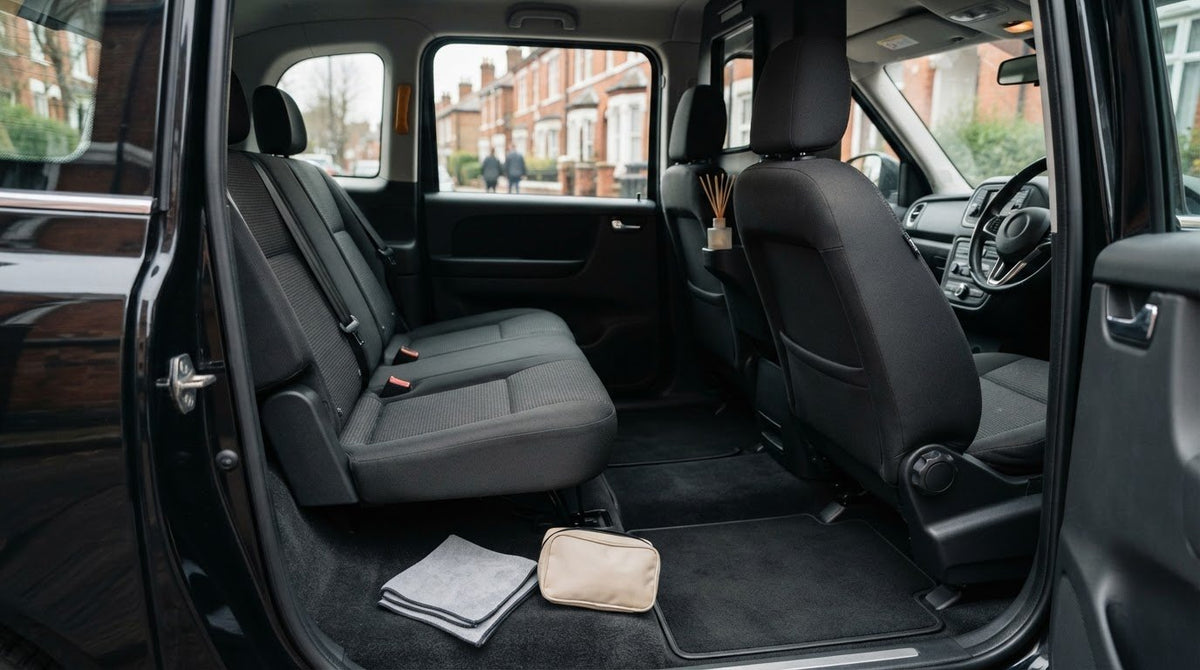
More fragrance isn’t the fix for a taxi that smells stale. To learn how to keep a taxi smelling fresh all day, remove rubbish and food remnants, clean the upholstery and carpets, then air the cabin before adding a subtle scent. This routine tackles odours at their source and helps keep the space comfortable for every passenger.
A clean taxi feels more welcoming, while a strong fragrance can quickly overwhelm a small cabin. Keep seats and floors fresh, ventilate between fares and choose a neutral scent that stays in the background. This guide covers practical cleaning and daily reset steps, then compares sprays, hanging diffusers and other formats to help you choose what suits your routine.
Key Takeaways
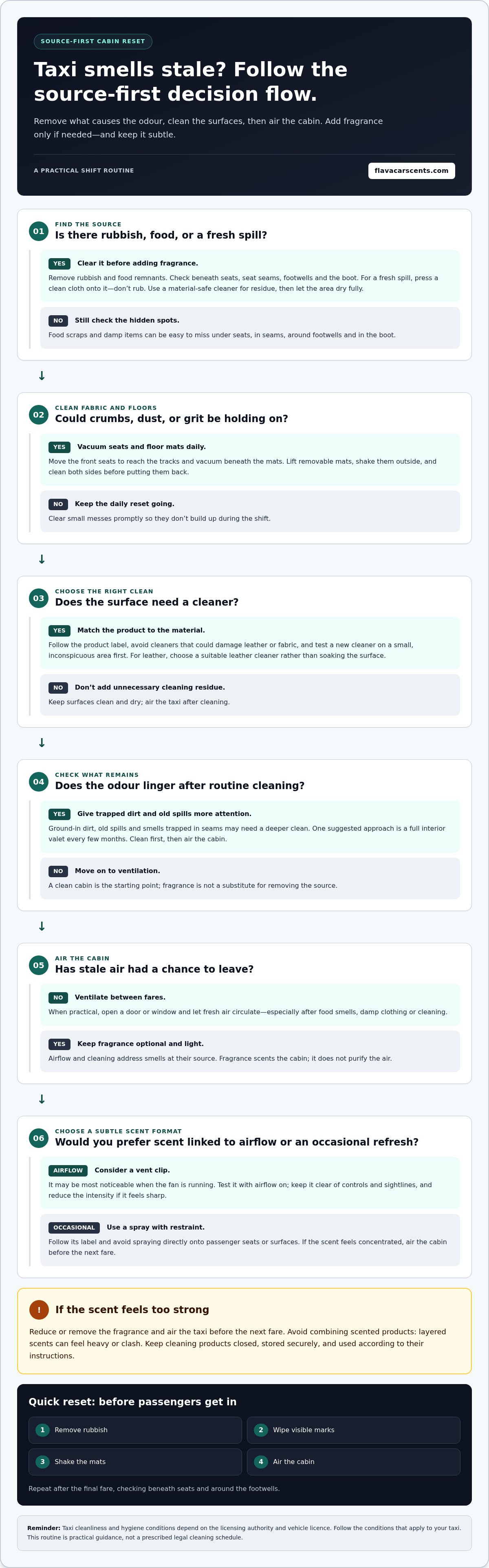
- Remove rubbish and food remnants, then clean upholstery and carpets so odours are tackled at their source.
- Air the cabin between fares and use fragrance lightly; scent freshens the cabin but doesn’t purify its air.
- Build a quick daily reset around clearing rubbish, wiping surfaces, shaking mats and airing the car.
- Choose fragrance with the cabin’s heat and your preferred scent strength in mind.
- Compare sprays with hanging diffusers to find a format that suits your routine and how you want fragrance released.
Deodorising upholstery and carpets
Taxi cleanliness and hygiene conditions in the UK depend on the licensing authority and vehicle licence. Follow the conditions that apply to your taxi. The steps below are practical cleaning guidance, not a legal cleaning schedule.
- Remove the source before adding fragrance. After each shift, clear rubbish, food remnants and items left beneath the seats. A dropped chip or takeaway wrapper can keep causing an odour even after you add fragrance. Check seat seams, footwells and the boot, where scraps and damp items are easy to miss.
- Vacuum seats and floor mats daily. Crumbs, dust and grit collect in fabric, carpet fibres and the corners around seat rails. Move the front seats to reach the tracks, then vacuum beneath the mats. Lift removable mats, shake them outside and clean both sides before putting them back in the taxi.
- Match the cleaner to the surface. Use a product designed for the upholstery material and follow its label. Avoid disinfectants that could damage leather or fabric. For leather seats, choose a suitable leather cleaner rather than soaking the surface. Test any new cleaner on a small, inconspicuous area first.
- Blot spills quickly. Keep a cloth and bin bag handy between fares. Press a clean cloth onto a fresh spill instead of rubbing it deeper into the fibres. Remove residue with a material-safe cleaner, then let the area dry fully before a passenger uses the seat. Damp upholstery can develop a stale smell.
- Use odour absorbers as a supporting measure. A small pouch of bicarbonate of soda can help manage lingering smells, but it won’t remove the dirt causing them. Secure it away from passengers and children. Some drivers replace the bicarbonate every few months, but continue to clean visible spills promptly.
- Protect frequently used seats and mats. Washable seat covers can help limit stains and wear during busy shifts. Remove and wash them according to their care instructions when soiled. If practical, keep a spare set so a damp cover doesn’t go back into the taxi before it has dried.
- Schedule a deeper clean when routine vacuuming isn’t enough. Ground-in dirt, old spills and smells trapped in seams may need more attention than a daily tidy. One suggested approach is a full interior valet every few months to tackle stains and hard-to-reach areas. Clean first, then air the cabin before choosing a light scent.
Cleanliness and hygiene conditions vary by licensing authority and vehicle licence, so follow the conditions that apply to your taxi. This suggested routine is practical guidance, not a prescribed legal timetable.
Neutral air fresheners and ventilation
Prevent odours from building up during a shift by ventilating between fares, removing immediate sources and using fragrance sparingly. Scented products and cleaning residues can bother passengers with sensitivities, and a strong scent can make the cabin uncomfortable. Keep products subtle, follow their labels and air the taxi after cleaning.
- Reset the cabin between fares. When practical, open a door or window to let stale air out before the next passenger gets in. Clear takeaway packaging, used tissues and other rubbish promptly. Deal with lingering food smells before they mix with fragrance or settle into the cabin.
- Use airflow to carry smells out. Ventilate the taxi between passengers instead of relying on fragrance to cover stale air. If the cabin smells of damp clothing or food, let fresh air circulate before driving with the windows closed. Airing and cleaning address smells at their source; fragrance only scents the cabin.
- Choose a light, neutral scent. A discreet fragrance can make the cabin more welcoming without dominating it. Start with a subtle level and assess how it smells inside the car. Don’t combine several scented products: layers can create a heavy, clashing effect that passengers notice straight away.
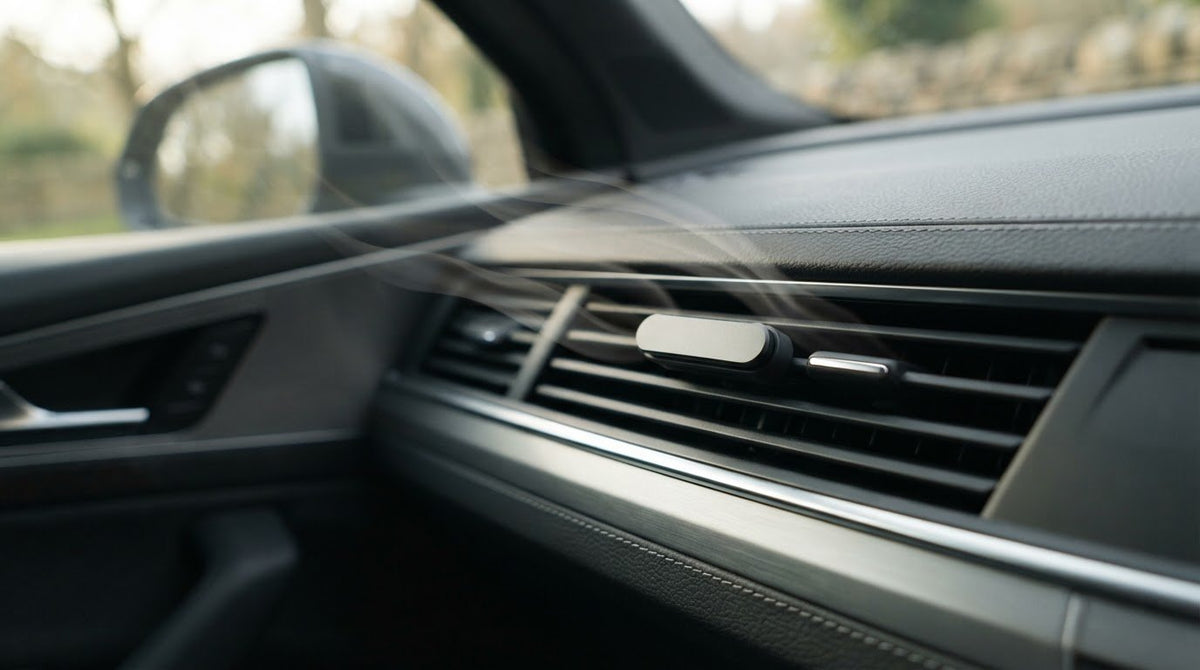
- Position a vent clip thoughtfully. A clip-on freshener near the fan may be most noticeable when the fan is running. Test it with the airflow on, then reduce the intensity if the scent feels sharp from the driver’s seat. Keep it clear of controls and sightlines.
- Use sprays with restraint. Apply car fragrance according to its label, and avoid spraying directly onto passenger seats or surfaces. If the scent feels concentrated, air the cabin before picking up a fare. A spray can refresh the atmosphere, but it doesn’t purify the air or replace ventilation.
- Consider a steady, low-key format. For a scent that works alongside cabin airflow, vent clip car air fresheners offer a simple format to consider. Keep the fragrance restrained, and ventilate between fares so the cabin stays fresh rather than perfumed.
- Respond to passenger comfort. If someone mentions a strong smell, reduce or remove the fragrance and air the taxi before the next fare. Keep cleaning products closed and stored securely, and follow their instructions to avoid residue or unnecessary lingering scent.
Dusting and airing out a car
- Make a daily reset part of the shift. Before taking passengers, remove rubbish, wipe visible marks, shake the mats and air the cabin. Clearing small messes early is a practical way to keep a taxi smelling fresh all day. Repeat the routine after the final fare, checking beneath seats and around the footwells.
- Dust the dashboard and ledges once a week. Use a clean, soft cloth on the dashboard, door panels and centre console. Work from higher surfaces down so loose particles don’t land on areas you’ve already wiped. Check around vents and buttons, where dust can collect and make the cabin feel less cared for.
- Wipe high-contact surfaces at shift changes. Clean door handles, seatbelts and the dashboard at the start and end of your shift. Choose a cleaner suited to each surface, then dry the area if needed. This focused reset helps prevent fingerprints and grime building up where passengers regularly touch the interior.
- Use mild soap and warm water on suitable surfaces. Dampen a cloth rather than soaking dashboard trim or door panels, then wipe away marks and residue. Follow with a dry cloth around seams and edges. Check the material first, especially near leather, screens and controls, where excess liquid may cause damage.
- Let the cabin breathe after cleaning. Open the doors or windows to release moisture and stale air before driving again. This is especially useful after wiping surfaces with warm, soapy water. Let cleaned areas dry, since trapped dampness can leave the interior smelling stale.
- Release trapped heat before entering. If the taxi has been standing in the sun, open its windows and doors for a minute or two. Fresh air can clear some of the hot, enclosed air before you start work, making the cabin more comfortable for you and your next passengers.
- Pair daily upkeep with a deeper clean. A wipe-down and mat shake won’t reach every corner. Periodically clean beneath mats, beside the console and around seat rails. For drivers working out how to keep a taxi smelling fresh all day, this deeper reset helps stop dust and residue building up in less visible spaces.
- Finish with a clear-window check. Clean the inside glass when fingerprints or dust affect visibility, then inspect the exterior before starting work. Use a clean cloth to avoid transferring dashboard residue onto the windows. Clear glass improves the cabin’s overall appearance and completes the daily reset.
Fragrance suitability for hot car cabins
- Factor summer heat into your choice. According to SOSA, a car cabin in summer can reach 70°C. That heat can make fragrance feel stronger inside a closed vehicle, so choose a scent that stays comfortable when the cabin warms up. A fragrance that seems subtle in a cool car may feel intense after it has been parked in direct sun.
- Start with a restrained scent profile. For a taxi carrying passengers throughout the day, a light, neutral fragrance is usually easier to live with than a heavy, sweet or sharp aroma. Test how it smells once the cabin warms, not only when the vehicle is cool. Aim for a polished atmosphere, not an overpowering one.
- Use the product as directed. Read the label before placing or applying any car fragrance. Follow its instructions for use and positioning, and don’t leave sprays or scented products where direct sunlight can heat them. A dashboard or seat in the sun can become much warmer than a shaded area inside the cabin.
- Air the cabin before judging the scent. After the taxi has been parked in sunshine, open its doors or windows to release trapped heat. Let the air circulate before deciding whether to adjust the fragrance. Otherwise, warm, still air can make a scent seem more concentrated than it does once fresh air moves through.
- Adjust the strength rather than layering scents. If the fragrance feels too strong on a warm afternoon, reduce or remove the source and ventilate the cabin. Don’t add another scent to balance it. Mixing fragrances can create a muddled smell that becomes more noticeable as the interior heats up.
- Choose a format that suits your routine. If you prefer an everyday fragrance inspired by designer scents for men and women, keep its intensity comfortable for a compact cabin. A taxi used in changing weather needs a scent that’s easy to manage, not a constant cloud of perfume.
- Consider where the fragrance sits. Keep scented products away from areas exposed to strong sunlight, and don’t place them where they could obstruct your view or interfere with driving. A shaded, stable position helps keep fragrance unobtrusive. Follow the product’s placement guidance for the format you choose.
- Reassess after temperature changes. Check the cabin scent after a sunny parking break, a cool morning start and a long drive with the ventilation running. These conditions affect how the fragrance reaches the driver and passengers. Keep it at the lightest setting that feels fresh through your working day, and air the car between fares.
Spray versus hanging diffuser
- Choose based on control. A spray gives you a quick burst when the cabin needs a lift. A hanging diffuser provides a fixed fragrance source without needing to spray before each fare. For a taxi carrying passengers throughout the day, the better fit depends on whether you prefer occasional adjustments or a scent that stays present between uses.
- Use sprays for targeted refreshes. Follow the product label and apply sparingly rather than creating a heavy cloud. Let the fragrance disperse before passengers enter, especially in a closed cabin. If the car smells stale, remove rubbish and ventilate first. A spray scents the cabin, but it doesn’t purify the air.
- Try a hanging diffuser for an always-in-place option. Some drivers hang air fresheners from the rear-view mirror. If you choose this format, position it so it doesn’t obstruct your view or distract you while driving. Keep the fragrance subtle, and remove or adjust it if the cabin feels overpowering.
- Think about how airflow affects the scent. A fragrance clipped near a fan may be most noticeable when the fan is running. A hanging diffuser isn’t attached to the vent, so its scent may feel different as air moves through the cabin. Test each setup during normal driving, with the windows and ventilation used as you usually would.
- Keep fragrance separate from odour removal. Neither a spray nor a hanging diffuser removes the source of a smell. Clear food packaging, clean spills and air the taxi before adding fragrance. Otherwise, a sweet or woody scent can mix with damp fabric, takeaway smells or stale air instead of creating a clean impression.
- Match the format to your shift. If you want to refresh the cabin selectively, a spray lets you choose when to add scent. If you prefer a fixed position, a hanging format stays in place. Consider passenger comfort, cabin size, ventilation and fragrance strength before choosing either approach.
- Make one change at a time. Start with either a spray or a hanging diffuser, then notice how the cabin smells after ventilation and during a typical shift. Don’t combine several fragrances at once. A single source is easier to adjust if the scent becomes too noticeable or clashes with lingering smells.
- Choose the format that fits your routine. There’s no universal winner: sprays offer on-demand use, while hanging diffusers provide a fixed scent source. For a closer look at car fragrance formats, explore spray and diffuser options and choose the approach that suits your taxi.
Flava Car Scents: SWIZZELS TURBO CAN SPRAYS
Flava Car Scents offers SWIZZELS TURBO CAN SPRAYS for drivers who want a spray to scent their taxi cabin. Use fragrance after removing odour sources and airing the vehicle, not as a replacement for cleaning. Follow the product instructions and keep the scent comfortable for passengers.
If you prefer a fragrance that stays in the cabin, explore WOOD DIFFUSER CAR AIR FRESHENERS or VENT CLIP CAR AIR FRESHENERS from Flava Car Scents. Choose a spray for application as needed or a diffuser-style option for a fixed fragrance source. Keep the scent subtle, especially in a compact taxi where it can feel more noticeable.
Explore the car fragrance options at Flava Car Scents.
Make your taxi’s atmosphere your signature
A fresh cabin can become part of the experience passengers remember. Decide whether you want it to feel crisp and understated or warm with a more distinctive fragrance. Then choose a scent format that suits your routine, keeping passenger comfort at the centre. This gives you a practical approach to keeping a taxi smelling fresh all day, without making fragrance the whole story.
For a spray, Flava Car Scents offers SWIZZELS TURBO CAN SPRAYS and TURBO CAN SPRAYS. Prefer a diffuser format? Explore WOOD DIFFUSER CAR AIR FRESHENERS. Each gives you a different way to add fragrance to your vehicle, so choose the style that suits your cab and daily driving.
Ready to shape a more considered cabin atmosphere? Explore car fragrance options at Flava Car Scents and find a scent direction that feels like yours. A thoughtful finishing touch can make every journey feel more polished.
Frequently Asked Questions
Why Is it Important To Have a Clean Taxi?
A clean taxi helps passengers feel comfortable and gives the vehicle a professional appearance. Dust, crumbs and spills can make the cabin unpleasant, while grime builds up on controls and handles through regular use. Cleanliness also makes new smells easier to spot: in a tidy interior, damp patches and food residue stand out, so you can deal with the cause before an odour lingers.
Best scent for a taxi?
A light, neutral scent is a sensible choice for a shared cabin because passengers have different preferences. An understated fragrance can create a polished atmosphere without dominating the journey. Try one scent format at a time and assess it from both the driver’s and passengers’ seats. If it’s the first thing you notice on entering, reduce the fragrance or ventilate the taxi.
How do you deodorize a car smell?
Find and remove the source before using fragrance. Check beneath mats and seats, inspect seat seams, and look for damp items or forgotten food packaging. Clean the affected surface with a suitable product, then let it dry and air the vehicle. For example, remove a wet coat left in the footwell; spraying fragrance over it won’t address the cause.
How often should a taxi be cleaned and ventilated to stay fresh all day?
Give the cabin a quick clean daily, then ventilate between fares and after any spill or strong food smell. Focus on areas that collect mess, such as footwells and seat edges. Add a deeper clean if visible dirt, marks or persistent odours remain. This routine helps you respond to the taxi’s condition instead of relying on fragrance alone.
What is the best way to remove smoke, food and pet odours from a taxi?
Match the cleaning method to the source: remove food debris, wash washable covers, and clean affected upholstery with a suitable product. For smoke, clean fabric and hard surfaces where residue may settle, then air the cabin. Remove pet hair with a suitable upholstery tool before cleaning. Don’t mask these smells with several fragrances; consider adding a single scent only after the interior is clean and dry.
Which car air fresheners work best for taxis without being overpowering?
Choose a format that’s easy to manage and keep the scent restrained. A vent clip can become more noticeable when the fan runs, while a spray gives you control over when to add fragrance. A hanging or wood diffuser offers another fixed-position option. Test one at a time, since combining products can make the cabin feel heavily perfumed.
What are the best odour-absorbing products for a car, such as activated charcoal or baking soda?
Odour absorbers can support cleaning, but they don’t replace removing the source. A small, securely placed pouch of bicarbonate of soda can help manage lingering smells; keep it contained and away from passengers. Activated charcoal products are another commonly used option, but follow their product instructions. Remove rubbish and dry damp areas first, or the underlying smell may remain.
How should taxi upholstery, carpets and air-conditioning vents be cleaned to remove smells?
Vacuum carpets and fabric seats, then use a cleaner suited to each surface. Apply liquid carefully so upholstery doesn’t become saturated, and let cleaned areas dry before use. For vents, use a soft brush or cloth to remove accessible dust without pushing debris further inside. Don’t spray cleaner directly into vent openings or onto electrical controls; follow the cleaner’s label.


Leave a comment
This site is protected by hCaptcha and the hCaptcha Privacy Policy and Terms of Service apply.