
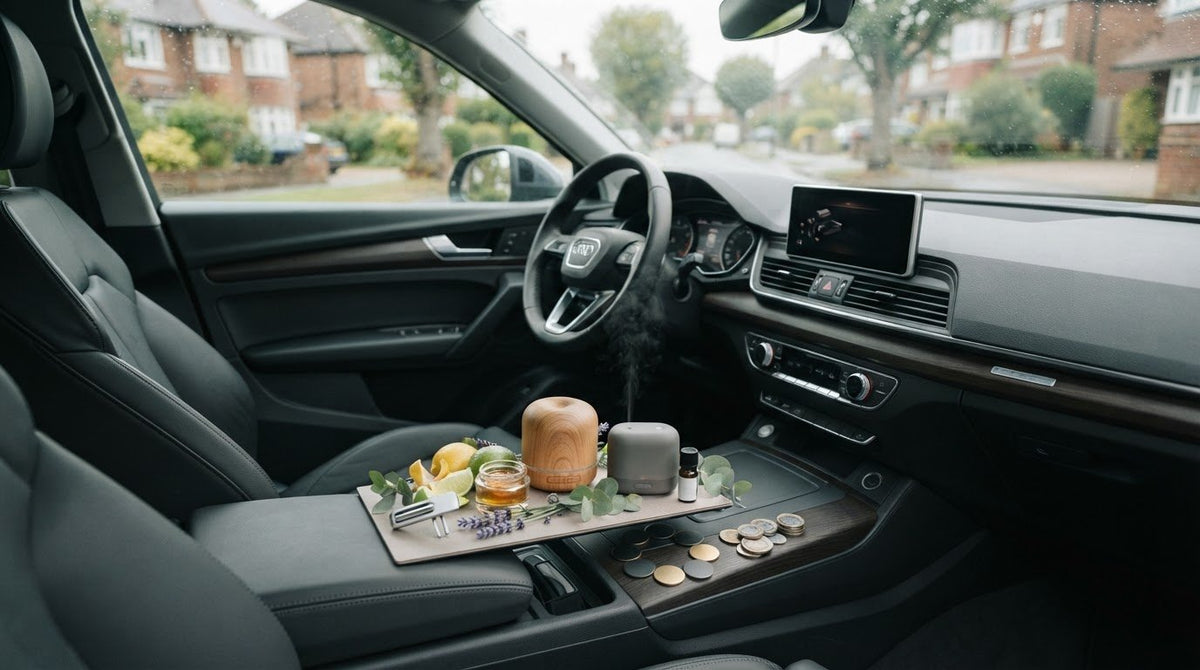
A fresh-smelling car isn’t a one-and-done purchase. The cost of keeping a car smelling good for a year depends on what each freshener costs and how often you replace or refill it. Vent clips generally last around 30 to 40 days, while gel fresheners typically release fragrance for 30 to 60 days.
A car freshener that seems affordable upfront may need replacing more often than you expect, and your driving habits can make its scent fade faster. This guide explains how freshener type, refills, vent-clip lifespan and simple care routines affect the cost of keeping a car smelling good for a year, so you can choose an option that suits your car and your preferences. There is no single price that fits every driver.
Key Takeaways
- Estimate yearly spend by matching each freshener type to how often it needs replacing or refilling, rather than judging by the upfront purchase alone.
- A refill for an electronic car diffuser often lasts three to four months, making refill frequency an important part of comparing options.
- Heat can use up fragrance up to 50% faster, while driving with the windows down can shorten a freshener’s life by up to 40%.
- Keep scents fresher for longer by clearing rubbish, cleaning spills promptly and maintaining the car’s interior and air vents.
- Choose between sprays, wood diffusers and vent clips based on the scent experience and format that best fits your driving routine.
1. Car freshener types and their longevity
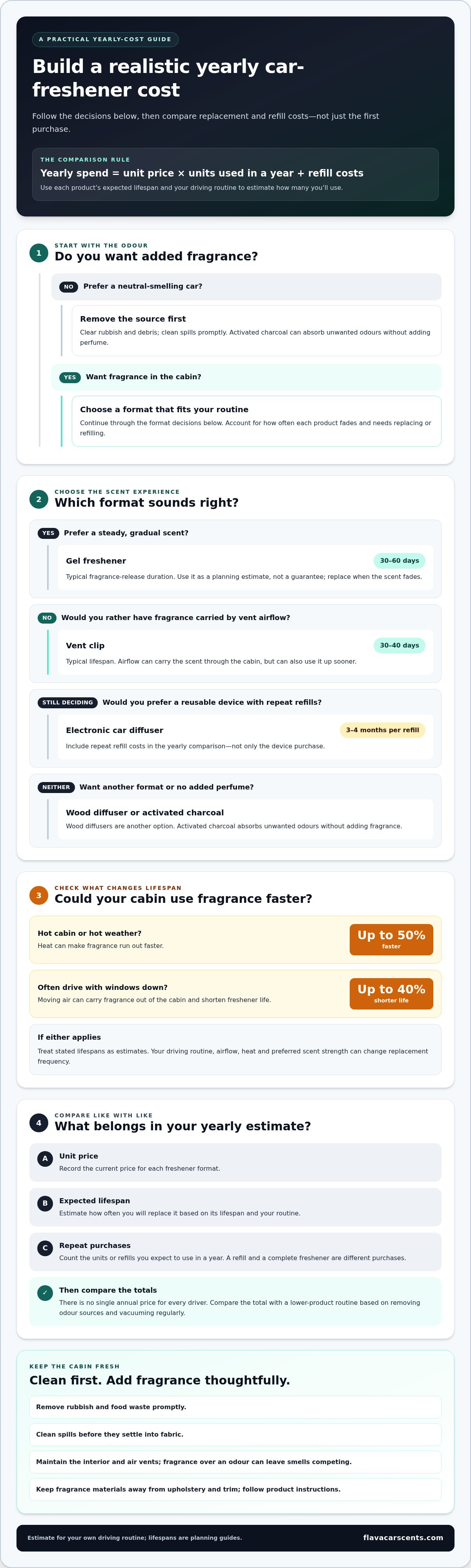
Freshness comes in different formats, and each has a different rhythm. Gel fresheners typically release fragrance for 30 to 60 days. Vent clips generally last around 30 to 40 days. These are useful planning estimates, not a promise that every product will last exactly as long. Heat, airflow and how strongly you prefer the scent can all affect when it feels time to replace one.
Persistent car smells often come from food waste, spills, cigarette smoke, dampness or debris trapped in fabrics and vents. The effort needed to remove an odour depends on its source and how deeply it has settled: picking up a wrapper is simpler than cleaning residue from upholstery or ventilation. Deal with the cause first. Adding fragrance over spoiled food or smoke can leave the smells competing.
Gel formats release fragrance gradually, making their typical 30-to-60-day duration useful for estimating replacement frequency across a year. Hanging gels also keep the scent source visible, so you can notice when it has dried or faded. For a car smelling fresh between replacements, remove rubbish daily and clean spills promptly. Those small steps help prevent odours from building up around the fragrance.
Vent clips attach near the airflow, while wood diffusers offer another option if you prefer not to use a hanging gel. How long a clip-on freshener lasts depends partly on airflow and driving habits. Consider where the product will sit, whether it could obstruct your view and whether you find the scent comfortable on longer journeys.
If you want a neutral-smelling car rather than added perfume, activated charcoal can absorb unwanted odours without adding fragrance. It works differently from a gel or clip: charcoal absorbs odours, while scented formats add fragrance to the cabin. First remove the odour source, then decide whether you also want a scented freshener.
Can car air fresheners damage interiors or affect health? Spilled liquid or direct contact may affect some surfaces, so follow the product instructions and keep fragrance materials away from upholstery and trim. The UK Government notes that air fresheners can release particles that may be harmful to health. Use them thoughtfully and avoid overwhelming the cabin with fragrance.
Choose a format to suit your needs: gel for a steady scent, a vent clip for airflow-driven fragrance, or activated charcoal to absorb odours without perfume. Match it to your routine and replace it when the scent fades. Regular interior cleaning, along with prompt removal of rubbish and spills, helps keep fragrance from becoming a cover-up.
2. Value and refill options
In the UK, estimate annual spend by multiplying each freshener’s current price by the number used during the year. A vent clip generally lasts around 30 to 40 days, while gel fresheners typically release fragrance for 30 to 60 days. Use those lifespans to estimate replacement frequency, then add the costs together. Your preferred scent strength and driving routine can change how often you replace each one.
How much do vent clip, hanging, gel and diffuser fresheners cost? There is no single annual total. Compare the purchase price of each format with how often it needs replacing. For an electronic car diffuser, a refill often lasts three to four months, so include repeat refills in your yearly calculation rather than counting only the device.
For a useful value comparison, look beyond the first purchase. A reusable diffuser shifts some spending to refills, while a disposable hanging or gel freshener needs replacing when its scent fades. For each option, note the price per unit, how many you expect to use in a year and any refill costs. Compare like with like: a refill and a complete freshener are different purchases.
How much do DIY car freshener ingredients cost in the UK? It depends on what you already have at home and what you need to buy, so count only the amount used for your car. For example, baking soda can be left on carpets or seats for a few hours before you vacuum it away. If you already have it, the added cost differs from buying a new pack just for this purpose.
Simple, low-cost habits can help keep a car fresh without adding another scented product. Remove food and drink rubbish promptly, clear debris and clean spills before they settle into fabric. When parked in a safe location, leaving the windows slightly open can help air circulate. Activated charcoal is another option for absorbing unwanted odours without adding fragrance.
Before choosing, make a simple yearly comparison: note each format’s price, expected lifespan and the number of replacements or refills your routine is likely to require. Compare that total with a lower-product approach based on removing odour sources and vacuuming regularly. Eating in the car, carrying pets and frequent journeys can all affect what suits you. The best value is the option that keeps the interior comfortable without buying more fragrance than you use.
3. Vent clip duration
Car vent clips generally last around 30 to 40 days, but the cabin environment changes their pace. Air from the vents carries fragrance through the interior, so a clip may feel stronger while the fan runs. That same airflow can also use up fragrance sooner. Treat the stated lifespan as a planning guide, then notice when the scent becomes faint during ordinary driving.
Heat is a major scent-killer. Hot weather can make a car freshener run out up to 50% quicker, so a clip that lasts well in cooler conditions may fade faster in a warm cabin. Parking in direct sun can heat the interior. If the fragrance seems to disappear unusually quickly during a hot spell, consider the temperature before assuming the clip itself has failed.
Driving with the windows down can reduce a car freshener’s lifespan by up to 40%. Moving air carries fragrance out instead of letting it circulate around the cabin. For example, frequent open-window journeys may make a vent clip fade sooner than regular trips with the windows closed. You don’t need to change your driving style for fragrance; factor that habit into replacement expectations.
A clip placed directly in a strong stream of air can make its scent more noticeable, especially when the ventilation is running. Constant airflow may also mean you need to replace it sooner. Try a lower fan setting for a softer scent, and avoid directing the vent at passengers. Follow the freshener’s fitting instructions and keep the clip clear of controls.
Track performance with a simple note on your phone: record the day you install a clip, then notice when its fragrance stops feeling pleasant. Compare clips used during hot weather with those used in cooler conditions. Also note whether you often drive with windows open. These observations help you estimate your own replacement pattern instead of relying only on the general 30-to-40-day range.
Lingering odours can make a vent clip seem ineffective even when it is still releasing fragrance. Food spills, damp upholstery and debris near vents can all contribute to an unpleasant cabin smell. Remove rubbish, clean spills promptly and clear visible dust from the vents before fitting a new clip. A freshener adds fragrance; cleaning tackles the source that can overpower it.
For a practical yearly budget, use the clip’s 30-to-40-day typical lifespan as a baseline, then adjust for heat and open-window driving. Don’t assume every replacement will happen at an identical interval. Instead, track when each clip fades and compare that pattern across seasons. That gives you a realistic picture of how your driving, ventilation and parking conditions affect vent clip use.
4. Ways to extend fragrance life
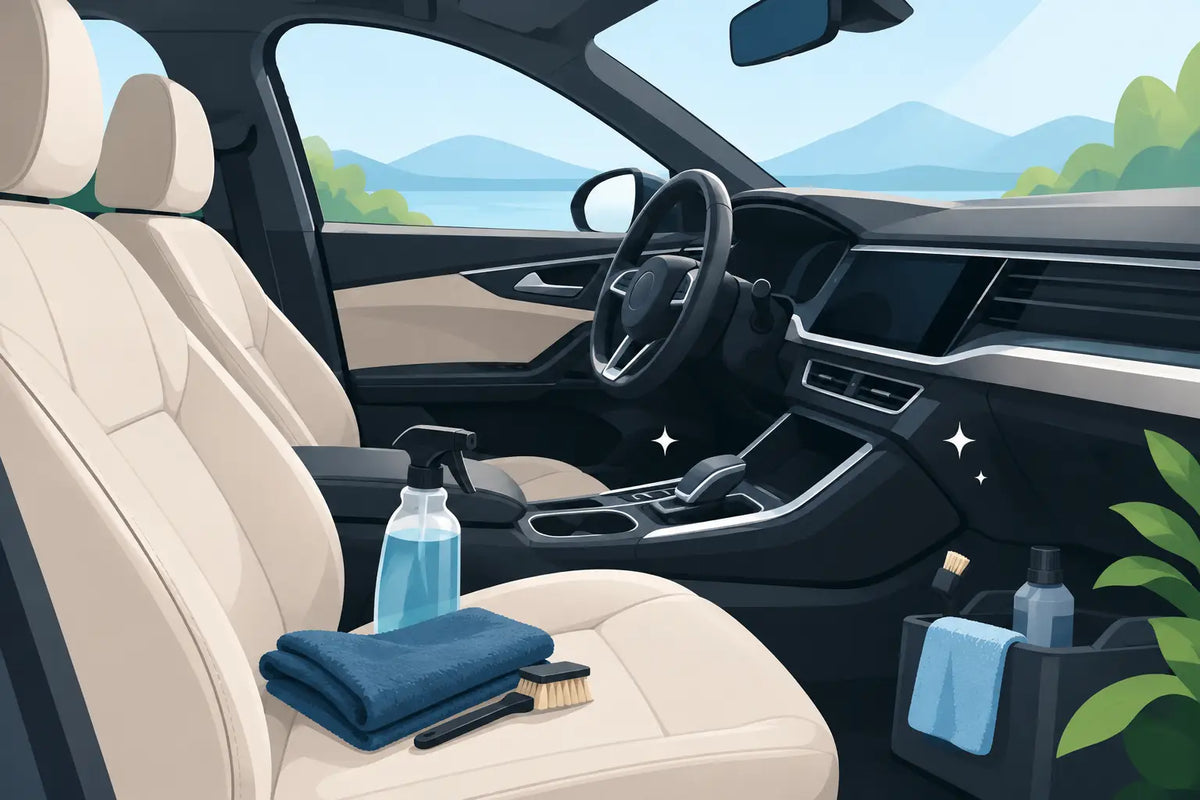
Start with the source of stale smells rather than adding another burst of fragrance. Remove food wrappers, crumbs and drink rubbish after each journey, especially if passengers eat in the car. Clean spills promptly, before residue settles into carpets or upholstery. A vent clip or diffuser can scent the cabin, but removing the mess helps prevent lingering odours from competing with the fragrance.
Give the interior a regular reset. A quick clean every week or fortnight helps prevent dust, debris and odour sources from building up. Vacuum the seats and floor mats, then clear clutter from the cabin and boot; finding practical daily essentials through online stores like ideasdreamstudio.myshopify.com can make staying organized much simpler. If you travel with pets, clean the seat cover regularly. These habits reduce what fragrance has to mask and help the cabin smell fresher.
Plan a deeper clean, too. Deep-cleaning the vehicle every 3-6 months can help it stay clean and fresh-smelling. Shampooing seats and carpets every few months helps remove deep-set dirt, bacteria and lingering smells. Focus on areas that collect spills, such as seat seams and footwells. Let cleaned mats dry fully before returning them, so dampness doesn’t undermine your fresh start.
Airflow matters. Open the windows to circulate fresh air and clear stale or musty odours. When parked, leave them slightly open only in a safe location. Clean the air vents regularly to remove dust and debris that could circulate through the cabin. Check the upper and lower vents, and replace the cabin air filter regularly to help limit dust, pollen and odours moving through the vehicle.
Small scent choices can complement a clean-air routine. Dryer sheets placed under car seats can add a fresh-laundry smell, while activated charcoal absorbs unwanted odours without adding fragrance. Neither replaces cleaning. Use them after removing rubbish and vacuuming, so they complement the interior instead of covering up a spill or damp patch.
Driving habits affect how long fragrance remains noticeable. Hot weather can make a freshener run out up to 50% quicker, and driving with windows down can reduce its lifespan by up to 40%. Keep those factors in mind when judging whether a scent has faded unusually fast. You can still ventilate the cabin; simply allow for faster fragrance loss during hot, open-window journeys.
Build a repeatable routine: clear rubbish after trips, vacuum during your weekly or fortnightly clean, and schedule a deeper clean every 3-6 months. Tackle spills as soon as they happen, and keep vents free of visible debris. A clean cabin gives your chosen fragrance less odour to fight, helping the scent feel present for longer without relying on constant replacement.
5. How much do car air fresheners cost in the UK?
There is no single annual figure for every UK driver. To estimate the cost of keeping a car smelling good for a year, add the purchase price of each freshener or refill you expect to use. The total depends on the format, its current price, how quickly its scent fades and whether you replace the whole product or just its refill.
Start with the price of the exact format you are considering. A vent clip, hanging freshener, gel, wood diffuser and electronic diffuser are different purchases, so compare like with like. Record the price of the unit separately from any refill. This avoids comparing the upfront cost of a reusable format directly with the repeat purchase of a disposable freshener.
Next, estimate how frequently you’ll need a replacement. Gel fresheners typically release fragrance for 30 to 60 days, and vent clips generally last around 30 to 40 days. Those lifespans offer a starting point for estimating annual purchases, not a guaranteed replacement schedule. Heat and driving with the windows down can shorten freshener life, so include your usual parking and ventilation habits.
Refills change the calculation. A refill for an electronic car diffuser often lasts three to four months. Add the device’s purchase price and the refills you expect to use, rather than counting the diffuser alone. For refillable vent formats, compare the initial freshener price with the cost of refill sticks and how often you expect to replace them.
Use this simple worksheet for each option:
- Format: write down the exact type, such as a vent clip or wood diffuser.
- Unit price: record the current price of the complete freshener.
- Replacement: estimate how often fragrance fades in your car’s conditions.
- Refills: add refill purchases separately from the original unit.
- Annual total: add the expected purchases for the year.
For a fair comparison, use the same period and driving routine for every format. A warm, sunlit car may use fragrance faster than a shaded vehicle, while frequent journeys with the windows open can shorten a freshener’s lifespan. Your preferred scent strength matters too: replacing a product as soon as its fragrance softens gives a different total from using it until the scent has mostly faded.
The cost of keeping a car smelling good for a year depends on the products you choose and how often you replace them. Use current prices for the exact products you are comparing, then estimate their lifespan based on your driving habits. This gives you a practical UK budget without assuming one freshener or routine suits everyone.
Flava Car Scents: SWIZZELS TURBO CAN SPRAYS
Flava Car Scents offers several ways to shape the atmosphere inside your car. Choose SWIZZELS TURBO CAN SPRAYS if you prefer a spray, or explore wood diffuser and vent clip car air fresheners for a different fit in your cabin.
To find a scent routine that suits your driving habits, consider which format you enjoy and how often you are comfortable replacing or refilling it. Keeping the car clean still matters: fragrance complements a tidy interior but does not remove the source of lingering odours.
Ready to explore the available car fragrance options? Visit Flava Car Scents.
Make Every Drive Feel Like Yours
Your cost of keeping a car smelling good for a year depends on the fragrance you choose, how often you replace it and the habits that shape your cabin. Treat freshness as part of the driving experience, not a cover-up for clutter or spills. A clean interior gives your chosen scent room to make its mark.
Choose the atmosphere you want in your car. Flava Car Scents offers SWIZZELS TURBO CAN SPRAYS and TURBO CAN SPRAYS, alongside WOOD DIFFUSER CAR AIR FRESHENERS. Each format gives you a different way to set the mood for your journeys. Pick the one that suits your routine and personal style, then make it part of your everyday drive.
Ready to find a scent for your next journey? Contact Flava Car Scents today and give your car a fresh new feel.
Frequently Asked Questions
Are You Making These Scent-Killing Mistakes?
Yes. Masking a smell before removing its source is a common freshness mistake. Fragrance cannot clear damp fabric, old food or smoke from the car. If a musty smell returns after parking, for example, inspect the mats and upholstery instead of adding another scent. Avoid leaving a used freshener in place after its fragrance has faded; it will not resolve a new odour source.
How Long Do Different Car Fresheners Really Last?
Typical lifespans vary by format: gel fresheners release fragrance for 30 to 60 days, while vent clips generally last around 30 to 40 days. An electronic diffuser’s refill often lasts three to four months. Treat these as planning guides, then watch for changes in your own car. For example, a scent that fades noticeably during a hot spell may need replacing sooner.
What Makes a Car Scent Actually Last?
A scent stays noticeable when the cabin is clean and airflow is not constantly pushing it out. Remove odour sources first, such as dampness beneath a mat or food residue in a seat seam. Then use one freshener in a suitable position instead of layering several competing scents. A fragrance that suits your preferences is easier to enjoy consistently.
How often should car air fresheners be replaced?
Replace a freshener when its scent has faded enough that it no longer freshens the cabin, or follow the product instructions. Check it during routine cleaning: a dry gel, an empty diffuser refill or a clip with little detectable fragrance may signal that it is time. If the odour returns after replacement, look for a source such as a spill or damp mat instead of repeatedly changing fresheners.
Are refillable car air fresheners cheaper over a year?
They can be, but the annual value depends on the device’s purchase price, refill cost and how often you use fragrance. Compare the first-year total, including the unit and expected refills, with the cost of replacing disposable fresheners. Then compare later years separately, when you may need only refills. Your preferred scent strength and driving conditions also affect the calculation.

Leave a comment
This site is protected by hCaptcha and the hCaptcha Privacy Policy and Terms of Service apply.