
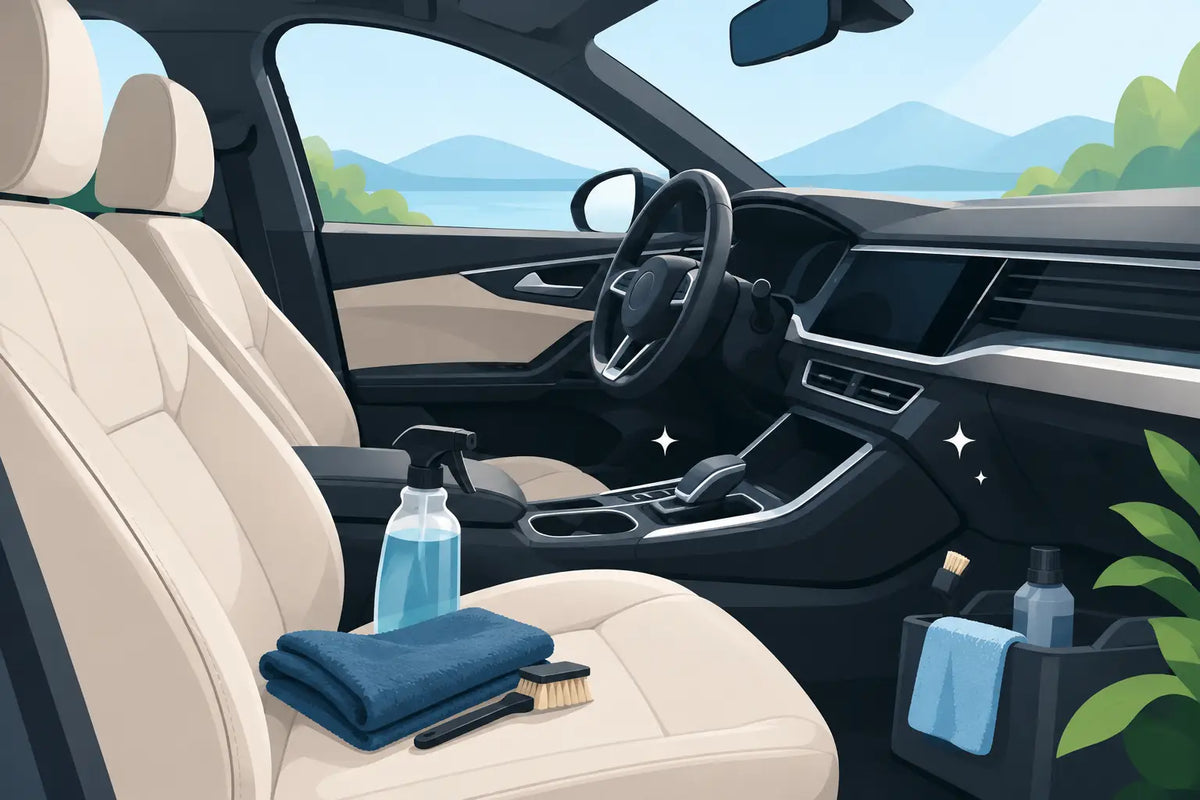
A clean car can still feel tired. The giveaway is usually in the details: a stale cabin smell after the gym, fingerprints on the screen, dusty vents, cluttered cup holders, or upholstery that has absorbed every coffee run. Learning how to refresh car interior spaces properly is less about masking the problem and more about resetting the atmosphere.
Think of it as a full cabin upgrade. A few focused steps can make your daily commute, weekend drive, or rideshare shift feel more polished before you even turn the key.
Start by Clearing What Does Not Belong
Before reaching for a cleaner or fragrance, empty the car. Remove trash, receipts, water bottles, old food packaging, loose change, and anything living permanently in the door pockets. Check under the seats, the trunk, the center console, and seat-back pockets.
This sounds basic, but it changes the result. A premium scent cannot compete with a forgotten takeout bag, and a freshly wiped console does not look refined when it is surrounded by clutter. Keep only the items you genuinely use: registration documents, a phone cable, sunglasses, and an emergency kit.
Once the cabin is empty, shake out the floor mats. If they are rubber, rinse them and let them dry completely before putting them back. Carpet mats benefit from a thorough vacuum, especially along the edges where grit collects.
Vacuum First, Then Clean the Surfaces
Vacuuming is the foundation of a refreshed interior. Use a crevice tool around the seat rails, between cushions, inside cup holders, and along the seams of the console. Move the front seats forward and back to reach the areas most people miss.
After vacuuming, work from high-touch surfaces down. Wipe the steering wheel, gear selector, door handles, buttons, dashboard, screen surround, and console with a cleaner designed for interior automotive materials. Use a soft microfiber cloth rather than paper towels, which can leave lint or cause fine marks on glossy trim.
Be measured with product. Spraying cleaner directly onto electronics, screens, or buttons can let moisture settle where it should not. Spray the cloth instead, then wipe gently. For infotainment screens and gauge clusters, use a dry or lightly damp microfiber cloth unless the vehicle manufacturer recommends a specific screen cleaner.
Give Upholstery the Right Treatment
Fabric seats, leather, and synthetic leather need different care. Fabric upholstery often benefits from a fabric-safe cleaner applied sparingly, followed by a clean towel to lift moisture and dirt. Do not soak the seat. Excess moisture can leave water marks and create the damp smell you are trying to remove.
For leather or leatherette, use a suitable interior cleaner and wipe away residue. Real leather may also need conditioner occasionally, but more is not always better. Over-conditioning can leave a slippery shine that looks less premium than a clean, natural finish.
If your car has stubborn stains, pet hair, or an odor that keeps returning, professional detailing may be worth it. A deep clean is especially useful after buying a used vehicle, transporting pets regularly, or dealing with a spill that reached the carpet padding.
Refresh the Hidden Odor Zones
Most lingering car odors do not come from the air. They come from the surfaces and spaces holding onto them. Check the obvious sources first: floor mats, seat creases, cup holders, trunk carpet, and the area beneath child seats. Food residue, moisture, and old spills can stay hidden long after the cabin has been cleaned.
Then look at the climate system. Dust and moisture can build up around the cabin air filter, and when the air conditioning turns on, the smell returns. Replacing the cabin air filter at the recommended interval can make a noticeable difference in how fresh the car feels. If the vents smell musty, consider having the HVAC system inspected or professionally treated.
Avoid relying on heavy fragrance to cover a serious odor. Smoke, mildew, damp carpet, and spoiled food have causes that need to be removed. Once the source is gone, scent works as the finishing layer instead of a distraction.
How to Refresh Car Interior Air Without Overdoing It
The best car fragrance should feel intentional, not overwhelming. You want passengers to notice that the car smells good, not feel as though they have stepped into a cloud of perfume. Start with a single scent format and adjust based on cabin size, driving habits, and personal preference.
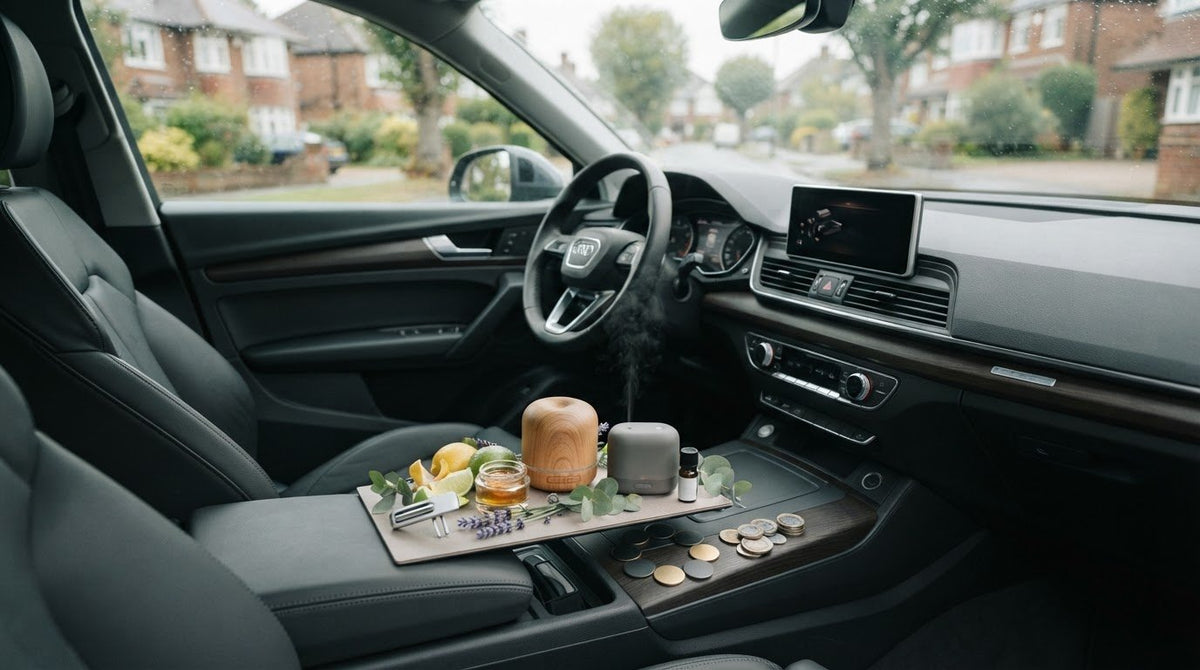
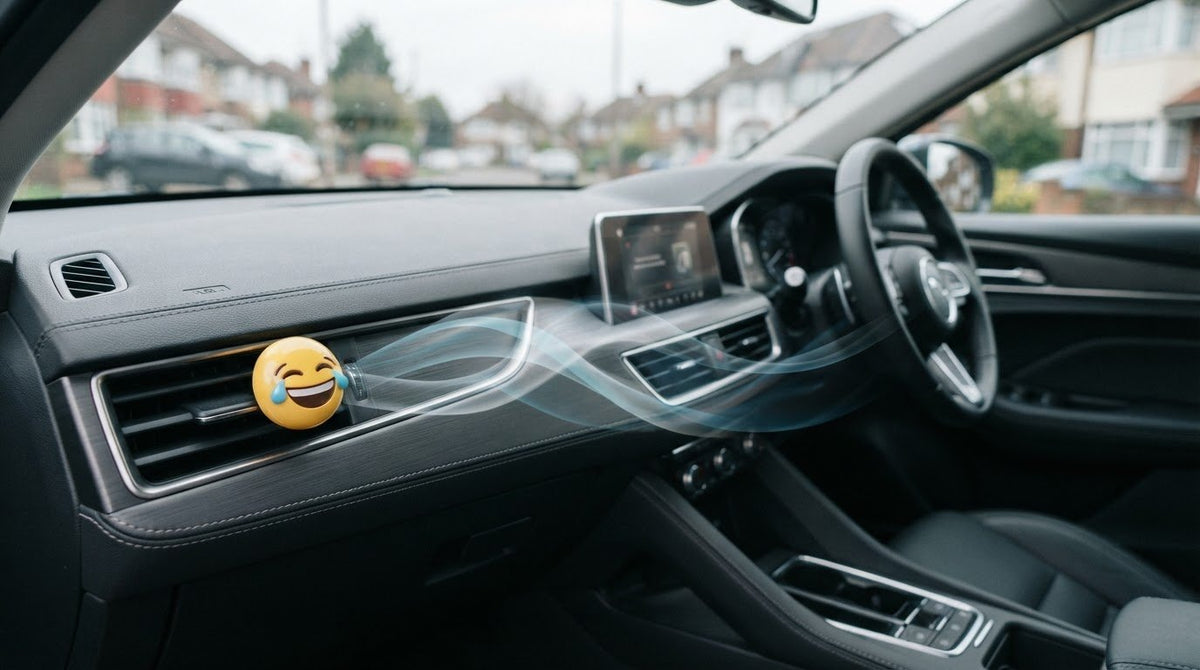
A vent clip is a practical choice for drivers who want fragrance to circulate when the air is running. It works well for everyday commuting and lets you control the scent experience through the vehicle's airflow. A wood diffuser adds a more styled, decorative touch and suits drivers who care as much about the look of the cabin as the fragrance itself.
Scent tins can be placed discreetly under a seat or in a door pocket, while a turbo can spray is useful when the car needs a fast reset before passengers get in. Each format has a different role. The right choice depends on whether you want consistent background fragrance, a visible interior accessory, or a quick boost.
For a more elevated finish, choose a fragrance inspired by the notes you would wear yourself. Fresh citrus, clean woods, warm amber, rich vanilla, and refined cologne-style profiles can make the cabin feel more personal than a generic fruit scent. Flava Car Scents offers designer perfume-inspired formats that let you build that premium atmosphere without turning your car into a novelty aisle.
Make Your Scent Last Longer
Fragrance performs best in a clean, dry cabin. Hot weather, open windows, and constant airflow can make certain formats fade faster, while cold weather can soften scent throw. That does not mean the product is not working - it means your environment affects how you experience it.
Keep replacement refills or a second scent option on hand if you drive frequently. Rotating scents with the season also helps keep your car from becoming scent-blind, which happens when you stop noticing a fragrance you smell every day. Try a crisp, clean profile in warmer months and a warmer wood or amber scent when the weather cools.
Finish With the Details That Change the Whole Cabin
Small visual upgrades help the fresh feeling last. Wipe inside the windshield and windows with a streak-free glass cleaner so sunlight does not reveal smudges. Clean mirrors, organize the center console, and return only the essentials to the cabin.
A simple car organizer can prevent clutter from creeping back in, especially if you commute with work gear, kids' items, or gym clothes. Consider a small lined trash container or reusable bag for receipts and wrappers. Empty it every time you fill up for gas.
Do not forget the trunk. It is easy to overlook, but a trunk full of loose bags, muddy shoes, or old sports equipment can carry odors into the passenger area. Vacuum it when you do the cabin and keep a washable liner if you regularly haul gear.
Create a Refresh Routine You Can Maintain
A full interior reset does not need to happen every weekend. The trick is separating quick upkeep from occasional deep cleaning. Once a week, remove trash, wipe high-touch areas, and check that your fragrance still suits the space. Every few weeks, vacuum thoroughly and clean the mats. Plan a deeper upholstery, vent, and trunk refresh every few months, or sooner if your car sees heavy use.
If you drive rideshare, carpool often, or spend long hours behind the wheel, refresh more frequently. Your car is not just transportation in that case. It is part of the experience you offer other people and the space you spend a major part of your day in.
A refreshed interior should feel effortless when you open the door: clear surfaces, clean seats, no stale odors, and a scent that reflects your style. Keep the routine simple, replenish what runs out, and let every drive feel a little more considered.

Leave a comment
This site is protected by hCaptcha and the hCaptcha Privacy Policy and Terms of Service apply.