
Table of Contents
- Why Do Car Air Fresheners Fade Quickly? The Real Causes
- How to Make Car Air Freshener Last Longer: 7 Practical Steps
- Car Air Freshener Longevity Tips That Actually Work
- Best Long Lasting Car Air Freshener 2026: What to Look For
- Common Mistakes That Kill Scent Longevity
- Conclusion
- Frequently Asked Questions
Last Updated: September 30, 2026
Why Do Car Air Fresheners Fade Quickly? The Real Causes
If you have ever wondered why do car air fresheners fade quickly, the answer usually comes down to two things: heat and your own nose. Most drivers blame the product. In reality, the cabin environment and human biology do more damage than any cheap refill.
Heat and Direct Sunlight Speed Up Evaporation
A parked car turns into an oven. On a warm day, cabin temperatures can climb far above the outside air, and that heat attacks the fragrance itself.
Olfactory Fatigue: Why Your Nose Stops Noticing
Your nose is the other culprit, and it is the one most drivers never suspect.
How to Make Car Air Freshener Last Longer: 7 Practical Steps
Knowing how to make car air freshener last longer starts with controlling heat, airflow and application. These seven steps tackle the causes above rather than just masking the symptoms.
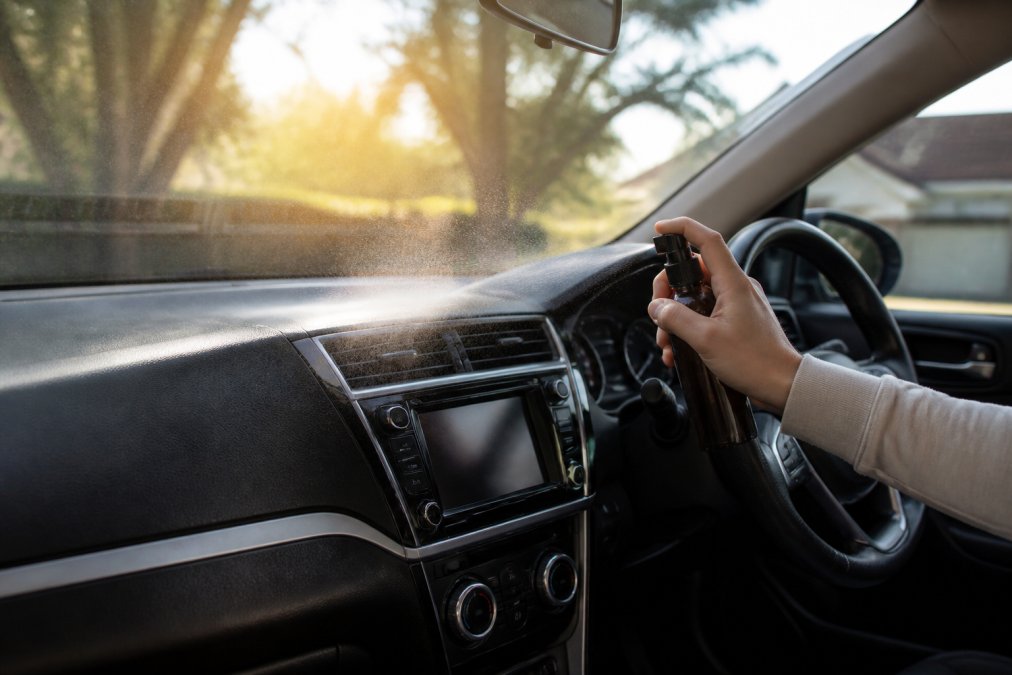
Step 1: Park in Shade and Manage Cabin Temperature
Shade is the single biggest win. A garage, a carport or a windscreen sunshade keeps the cabin cooler, which slows evaporation and protects the fragrance from UV damage. Even a slight drop in peak temperature extends how long your scent stays noticeable.
Step 2: Choose a Dry Mist Spray Over Wet Liquid Sprays
Wet liquid sprays soak into surfaces and evaporate unevenly. A dry mist formula disperses evenly through the air and leaves no sticky residue. For longer wear, mist a small amount onto fabric, such as a floor mat, after testing a hidden patch first. Fabric holds scent and releases it slowly.

The rest of the steps follow the same logic:
- Ventilate before you spray, so the scent spreads instead of sitting in one spot
- Store spare cans and refills out of the sun and away from heat
- Rotate between two scents to reset your nose
- Clean surfaces first, because dust and grime trap and distort fragrance
- Re-apply in short bursts rather than one heavy spray
Car Air Freshener Longevity Tips That Actually Work
Real car air freshener longevity tips focus on airflow, odour control and the surfaces the scent lands on. A scent that sits in still air fades from your notice fast. A scent that moves through the cabin, and clings to the right material, keeps working.
Here is what makes the biggest difference:
- Improve air circulation. Crack a window for a minute. Run the fan on low. Moving air carries fragrance molecules around the cabin instead of letting them settle.
- Neutralise odours, do not mask them. Masking agents pile a strong scent on top of a bad one. The two mix, and the result fades fast. An odour eliminator tackles the source, so your fragrance has less to fight.
- Match the product to the space. A large cabin needs more fragrance concentration than a small hatchback. Over-spraying a small car just overwhelms your nose sooner.
Why the Surface You Spray Matters More Than You Think
Most guides treat the cabin as one big air space. It is not. Fragrance molecules land on whatever is in front of them, and different interior materials hold or release those molecules at very different rates.
- Fabric (seat cloth, floor mats, headlining). Porous fibres trap scent molecules in the weave and release them slowly over hours. This is why a light mist on a floor mat often outlasts a heavier spray into open air.
- Leather and vinyl. These are sealed, non-porous surfaces. Scent sits on top and evaporates quickly, and some fragrance compounds can leave a greasy film or mark the finish. Always test a hidden patch first.
- Hard plastics and trim. Dashboards and door cards warm up fast in sun and act as mini radiators, pushing fragrance off the surface rather than holding it. Avoid spraying directly onto hot plastic.
- Glass. No absorption at all. Scent on glass simply flashes off, so windscreens and windows are the worst targets for a lasting effect.
Climate and Humidity Change the Fade Rate
Evaporation is not just about temperature. Humidity and cold matter too, and most content ignores both.
- Warm, dry air is the worst case. Low humidity means the air is thirsty, so fragrance molecules leave the liquid or fabric quickly. A hot, dry cabin can empty a vent clip in days.
- Warm, humid air slows evaporation because the air is already partly saturated with water vapour. Scent lingers longer, but it can also smell flatter and heavier.
- Cold weather does not destroy fragrance, it slows it. In winter, a vent clip or gel pot may seem to have stopped working when it is simply releasing very little. Once the cabin warms up through the heater, the scent returns.
- Repeated hot-cold cycling is the real damage. A car that bakes in the sun all day and freezes overnight forces fragrance compounds through constant expansion and contraction, which degrades them faster than steady warmth.
Use Controlled Release, Not One Big Hit
A single heavy spray feels impressive for ten minutes and then drops off a cliff. Short, repeated bursts keep the airborne concentration in the range your nose can actually detect. This is the same principle behind controlled-release formats such as dry mists and timed diffusers: small, steady doses beat one large one every time.
Best Long Lasting Car Air Freshener 2026: What to Look For
The best long lasting car air freshener 2026 comes down to formulation and format, not price alone. Cheap products fade faster because they use lower fragrance concentration and more filler solvents. Those solvents flash off quickly, taking the scent with them.
Read the Format Before the Fragrance
Different formats release scent at very different rates, and the format often matters more than the scent name on the front.
- Vent clips. Scent release is tied to airflow through the vents. Great when the fan is on, nearly dormant when it is off. In a hot parked car they can dump their load early and then feel dead.
- Gel pots and tins. Release is driven by surface area and temperature. They fade gradually and predictably, but heat shortens their life sharply.
- Wet liquid sprays. Cheap to make, but they soak surfaces, evaporate unevenly and can leave residue or marks on trim.
- Dry mist sprays. The fragrance is carried in a fine aerosol that disperses evenly and leaves no wet film. Because the droplets are small, they settle across a wide area rather than pooling in one spot.
- Timed or passive diffusers. Release a small, steady dose. Best for people who want a consistent background scent rather than a burst.
What Actually Signals a Long-Lasting Product
When you shop, check for:
- A dry mist or controlled-release format over a wet spray
- A clear fragrance concentration, not a vague "long lasting" claim
- A scent profile you actually enjoy, since you will notice it longer
- A larger can size for better value per use
- A formulation that lists its carrier rather than hiding behind "perfume" alone
A useful rule of thumb: if the label cannot tell you what format it is or roughly how strong it is, assume it is a low-concentration product designed to smell good in the shop, not in the car.
Why Cheap Products Fade Faster
It is not snobbery, it is chemistry. A budget air freshener typically spends most of its budget on propellant and solvent, and very little on the fragrance oil itself. The solvent does its job in seconds, then it is gone. What is left is a faint trace that your nose tunes out within a day.
Matching the Product to Your Cabin
A large SUV or estate has far more air volume to fill than a small hatchback, so the same product will feel weaker in one and stronger in the other. If you drive a big cabin, choose a higher-concentration format or use short bursts more often. If you drive something small, resist the urge to over-spray, because you will simply hit olfactory fatigue sooner.
| Product | Format | Size | Best For |
|---|---|---|---|
| Cherry Bomb Turbo Can | Dry mist spray | 400ml | Bold, sweet cherry lovers |
| Classic Car Turbo Can | Dry mist spray | 400ml | Fans of a vintage motor aroma |
| Billion Turbo Can | Dry mist spray | 400ml | Warm amber, spice and citrus |
| Fresh Linen Turbo Can | Dry mist spray | 400ml | Clean, neutral everyday freshness |
Common Mistakes That Kill Scent Longevity
Most fading complaints trace back to a handful of habits. Fix these and your scent lasts noticeably longer.

- Spraying into direct sunlight. Heat and UV break the fragrance down before it settles.
- Soaking surfaces with wet spray. It evaporates fast and can stain trim.
- Relying on your nose as the test. Olfactory fatigue means you stop smelling a scent long before it is gone.
- Storing refills in a hot car. Heat degrades fragrance even before you open it.
- Ignoring the real odour source. If the cabin smells, masking it just shortens your fragrance's life.
Conclusion
Car air fresheners fade fast for two reasons: heat speeds up evaporation, and your nose tunes the scent out. Neither is a fault in the product, and both are manageable.
Frequently Asked Questions
How long should a car air freshener last?
Most car air fresheners fade within one to four weeks, depending on type and conditions. Vent clips and gels typically last two to four weeks, while hanging cardboard fresheners often fade in one to two weeks. A dry mist spray such as the Flava Turbo Can range, used in short bursts, can be reapplied as needed and keeps working for hours per spray rather than days. Heat, direct sunlight and air circulation all shorten that window significantly.
Can you revive car air fresheners that have gone flat?
Sometimes. A gel or vent clip that has dried out can sometimes be revived by adding a few drops of water or the matching fragrance oil, then leaving it to reabsorb. Cardboard hanging fresheners usually cannot be revived once the oils have evaporated. If a product has passed its expiration date or the scent has turned, replacing it is the better option. Keeping fresheners out of direct sunlight slows the fade in the first place.
Does heat affect how quickly car air fresheners fade?
Yes, heat is one of the biggest factors. A car parked in direct sunlight can reach 50°C or more inside, and that heat accelerates evaporation of the volatile compounds that carry the scent. Fragrance molecules break down faster at high temperatures, so a freshener that lasts three weeks in winter may fade in one week in summer. Parking in shade, using a windscreen sunshade and choosing a dry mist spray all help slow this down.
Are car air fresheners safe to breathe in every day?
Regulated products sold in the UK must meet safety and labelling requirements, but some cheap air fresheners contain high levels of volatile organic compounds (VOCs) and synthetic fragrance. If you are sensitive to strong smells, choose a product with a lighter scent profile and ventilate the car regularly. A dry mist spray used in short bursts gives you more control over scent intensity than a constantly diffusing vent clip or gel.


Leave a comment
This site is protected by hCaptcha and the hCaptcha Privacy Policy and Terms of Service apply.