
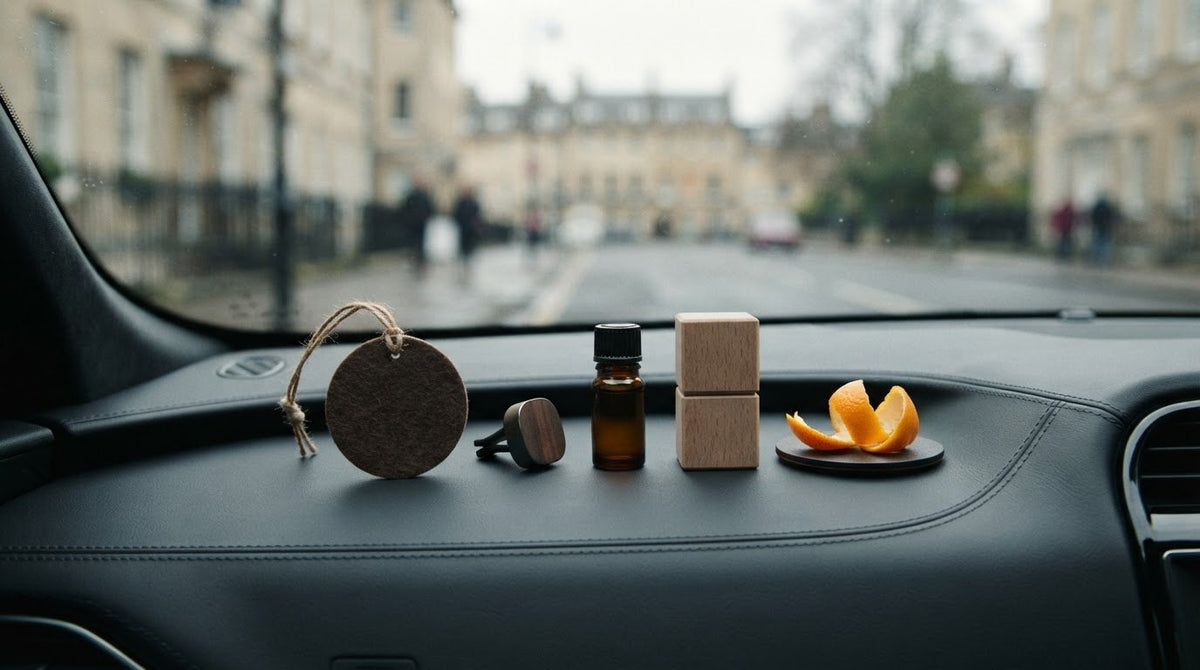
Feu Orange air freshener is identified as a UK-origin replica fragrance. That is the clearest answer to what happened to the Feu Orange air freshener: it was a fragrance recreation, rather than an established original designer perfume.
If you remember the scent, you may want to know more than its name. Was Feu Orange an original fragrance, or a familiar scent recreated for the car? That distinction helps explain what the product was and what to look for if you want a replacement.
This article explains what the Feu Orange name tells us, separates its known origin from assumptions about its history, and offers practical guidance for choosing another car fragrance. The key is to distinguish what the product information establishes from what it leaves unanswered, then choose a new scent based on the name, fragrance description or format that matters most to you.
Key Takeaways
- Feu Orange is identified as a replica air freshener originating in the United Kingdom, a useful clue when tracing its identity.
- Separate what its name and origin tell you from assumptions about its history or current availability.
- Use the “with orange” wording as a clue to investigate the scent, not as proof of a specific fragrance profile.
- If you’re choosing a new in-car fragrance, compare formats such as sprays, vent clips and wood diffusers to find the right fit for your drive.
What happened to Feu Orange air freshener
The clearest answer is that Feu Orange is identified as a replica air freshener originating in the United Kingdom. This establishes its stated country of origin, but not who made it, how it was sold or whether it remains available. These are separate questions. Without more information, it would be misleading to claim that it was discontinued or explain why it disappeared from view.
“Replica” describes Feu Orange as a fragrance recreation, rather than establishing it as an original designer perfume. The name alone doesn’t identify which fragrance it may have echoed, its notes or the company behind it. A listing using “Feu Orange” tells you the product name given there, but doesn’t prove a connection to a named perfume house.
The UK origin is a useful clue, but it doesn’t identify the retailer, brand owner or place where a particular item was sold. It also doesn’t explain why a product or listing might no longer appear. Packaging or a dated product record may provide more specific information about an individual item.
Separate identity from availability
“What happened” can mean several things: a fragrance was discontinued, its branding changed, or it has simply become difficult to find. These possibilities aren’t interchangeable. A missing listing, for example, doesn’t prove that production ended. This distinction matters if you’re seeking the same fragrance rather than a similar orange-scented alternative.
Use this three-part check to compare an old memory, label or product listing:
- Name: Does the item say Feu Orange, or does it only mention an orange fragrance?
- Product type: Is it described as a replica air freshener, or as another kind of fragrance product?
- Origin: Does the item identify the United Kingdom as its country of origin?
These checks help distinguish a matching product identity from a scent that only sounds similar. “Orange” on a listing might describe a colour or scent, but that alone doesn’t make it Feu Orange. Likewise, the UK origin is a specific identifying detail, not evidence of the product’s sales history or current status.
What to look for in old packaging
If you have an old Feu Orange item, start with the wording on its packaging. Note the exact name, product category and any country-of-origin statement. A clear photograph can preserve the details if the label fades or the container is discarded. Treat each detail as evidence about that item, not proof of the product’s wider history.
Compare those packaging details with the description on any listing you find. A matching name is useful; a matching product type and stated origin add context. “Orange car fragrance” is broader than “Feu Orange replica air freshener”. Comparing the exact wording can help you avoid mistaking a general scent description for the product you remember.
So, what happened to the Feu Orange air freshener? The reliable point is that it is identified as a UK-origin replica air freshener. That gives you a grounded starting point, not a confirmed explanation for its disappearance or proof that it is currently available. When tracing an old item, focus on its exact name and label details to keep your search precise and your conclusions accurate.

With orange
On an air-freshener label, “orange” can refer to a citrus scent, a colour or part of a product name. With Feu Orange, the name alone doesn’t establish which meaning applies. Keep those possibilities separate rather than inferring its fragrance notes from the name.
“Orange fragrance” describes a scent direction, while an orange-coloured container describes appearance. A product name containing “Orange” doesn’t necessarily mean either. Look for terms such as “citrus” or a specific scent description on the packaging. Without that detail, the name isn’t a full scent profile.
How to interpret the wording
Start with the exact wording on the item or its packaging. “Feu Orange” is a product name; “orange-scented” is a description. If a listing uses both, check whether it clearly identifies the product name separately from the fragrance description. This keeps your search focused on the right item.
Compare the wording with any records you already have, such as an old label, photograph or saved product description. A matching name is useful, but a different description may mean the listing is for another fragrance. A product titled “orange car freshener”, for example, may simply use orange to describe its scent. It isn’t automatically Feu Orange.
Be specific about what you remember: the name, the packaging colour or a citrus-like smell. These are separate clues, and noting them separately can stop one memory from standing in for another. If you remember a vivid citrus impression but not the label, describe it as your recollection, not as proof of the product’s official notes.
Use scent descriptions carefully
In everyday language, orange can suggest a bright, citrus-style fragrance. But scent descriptions vary, and the word doesn’t reveal a fragrance’s full composition. “Orange” alone doesn’t tell you whether a scent is sweet, sharp, fresh or layered with other notes. You’d need a more detailed description or direct experience to judge those qualities.
That distinction matters when choosing a replacement. If you want a similar citrus impression, compare products whose descriptions explicitly mention citrus. If you’re looking for the same Feu Orange item, prioritise the exact product name instead. A similar scent may create a comparable mood, but it isn’t the same product.
Use this practical sequence when reviewing a description:
- Identify the name. Look for “Feu Orange” as the product name, not merely a passing mention of orange.
- Read the scent wording. Check whether the description explicitly calls the fragrance citrus or orange-scented.
- Keep appearance separate. Note packaging colour independently from any scent claim.
- Compare like with like. Match product names for identity, or scent descriptions for fragrance direction.
For example, “orange-coloured air freshener” describes appearance, not scent. “Citrus fragrance” suggests a scent direction, but doesn’t identify Feu Orange. A label naming Feu Orange is a stronger clue to the product’s identity, while its exact fragrance profile remains a separate question.
That’s the key distinction: “orange” may describe a scent, but it can’t establish a product’s identity on its own. Read the product name and fragrance description as separate details. For an exact match, start with the name; for a similar sensory impression, compare the scent descriptions.
Flava Car Scents: SWIZZELS TURBO CAN SPRAYS
Flava Car Scents offers SWIZZELS TURBO CAN SPRAYS as one way to refresh your car’s atmosphere. If you’re moving on from Feu Orange, choose a format that suits how you like to enjoy fragrance on the road. A new product may be a good alternative without being the same scent.
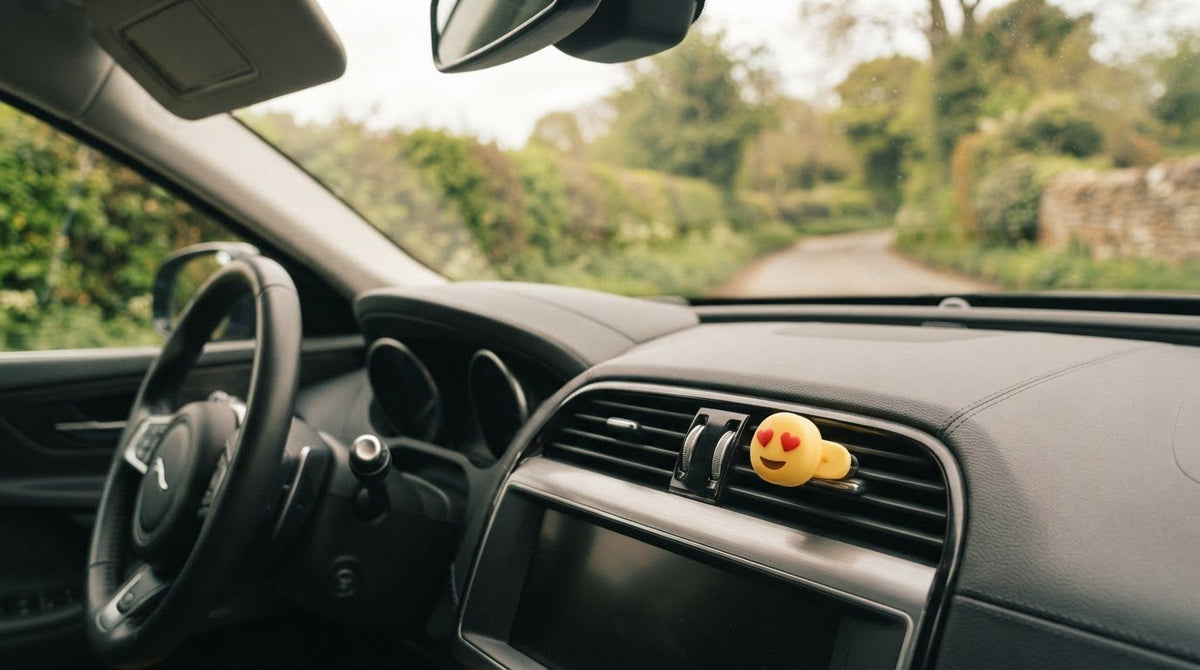
For a spray, explore SWIZZELS TURBO CAN SPRAYS or TURBO CAN SPRAYS. If you prefer a fragrance that sits in the car, consider WOOD DIFFUSER CAR AIR FRESHENERS or VENT CLIP CAR AIR FRESHENERS. Each offers a different format for your driving routine, without confusing a new choice with the Feu Orange product you remember.
Visit flavacarscents.com to explore the options or contact Flava Car Scents.
Make your next drive feel like yours
The question of what happened to the Feu Orange air freshener can be a starting point for finding a new car fragrance. Think about the atmosphere you want: a spray, a wood diffuser or a format that fits your everyday routine. Choosing by format and personal preference gives you a fresh direction without expecting a new product to exactly match an old favourite.
Flava Car Scents offers SWIZZELS TURBO CAN SPRAYS, TURBO CAN SPRAYS and WOOD DIFFUSER CAR AIR FRESHENERS, with distinct options for your car. Explore the range and choose the style that feels right for your next journey.
Explore Flava Car Scents and get in touch to take your next step. A little fragrance can shift the mood of a drive. Make it your own.

Leave a comment
This site is protected by hCaptcha and the hCaptcha Privacy Policy and Terms of Service apply.