
Table of Contents
- Start With Your Cabin and Driving Habits
- The Best Car Air Freshener Types and How They Work
- Find Your Scent Family and Fragrance Profile
- The Best Floral Car Scents for Spring and Other Seasonal Picks
- How to Pick a Long-Lasting Car Air Freshener
- Car Fragrance Safety, Sensitivity and Ventilation
- Placement, Dosage and Troubleshooting Your Car Fragrance
- Frequently Asked Questions
Last Updated: October 12, 2026
Start With Your Cabin and Driving Habits
Most drivers pick a car fragrance by smell alone. That is the mistake. The right choice depends on your cabin, your climate, and how you actually drive.
At Flava Car Scents, the pattern is clear: match the scent to the space first, then fall in love with the smell.
Here is how to choose the right car fragrance in five steps, so your cabin smells intentional, not accidental.
Cabin Size and Ventilation
Small cabins concentrate scent: a hatchback with the windows up makes any fragrance feel twice as strong as it does in an estate.
So start here:
- Small car: choose a subtle, low-intensity option and use less of it
- Large car or SUV: you can carry a bolder scent without it becoming heavy
- Poor ventilation: crack a window now and then to keep the air moving
Airflow matters as much as size. A scent only travels if air carries it.
Climate and Seasonal Temperature Swings
Heat speeds up fragrance release; cold slows it down.
The same product can smell perfect in a mild month and far too strong on a hot afternoon: in summer expect a shorter lifespan and a stronger hit, in winter a slower release and a gentler scent.
So buy a lighter scent for warm months and a warmer one for cold months.
The Best Car Air Freshener Types and How They Work
The best car air freshener type depends on how you drive, because each format releases scent differently, the right pick for a long motorway commute is not always right for short town trips.
Here is how the main formats compare.
| Format | How It Releases Scent | Best For | Lasts |
|---|---|---|---|
| Scent tin / gel | Passive evaporation | All-round use, home too | Up to 60 days |
| Vent clip | Airflow through a wick | Drivers who use the fans | Weeks per bottle |
| Wood diffuser | Soaked wooden cap | A steady, subtle scent | Weeks, re-soakable |
| Hanging freshener | Passive evaporation | Quick, cheap top-ups | Short |
Scent Tins and Gel Fresheners
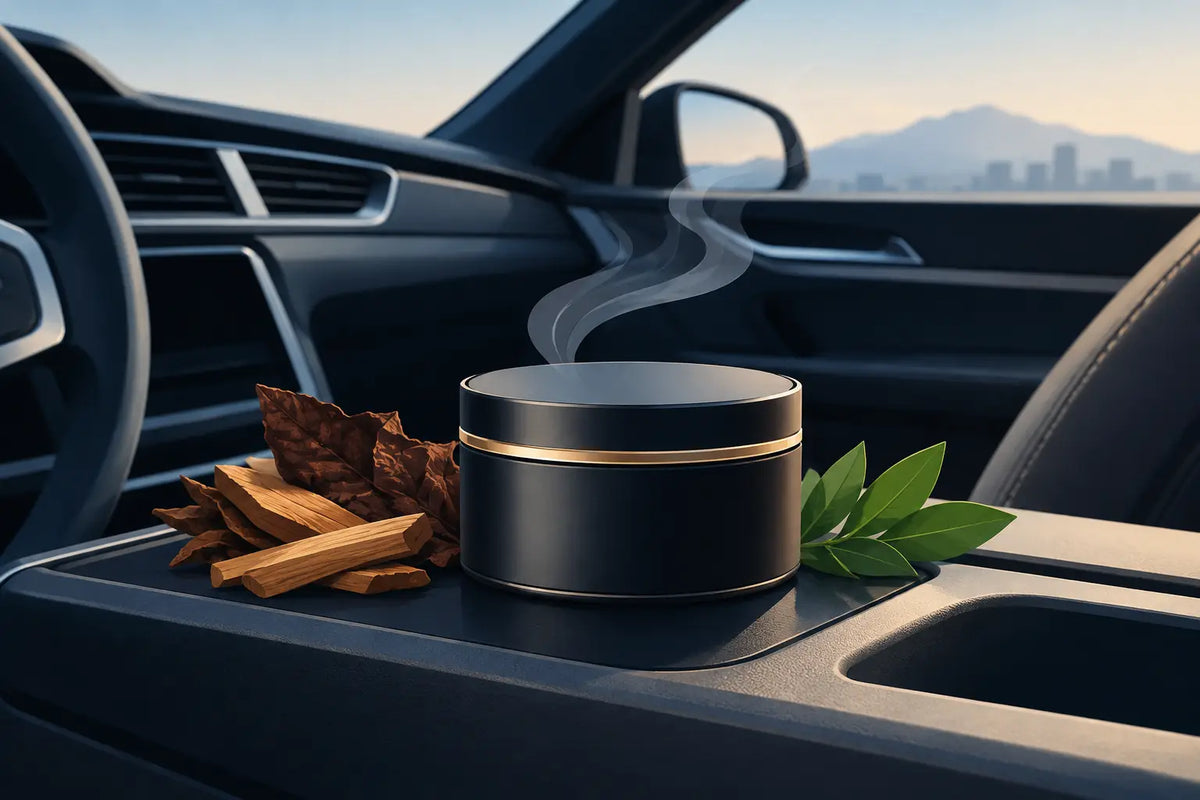
Scent tins are the simplest format: pull the ring, remove the lid, and set the release level yourself.
Our Flava Scent Tin - New New Car recreates that showroom smell in a compact tin, gives up to 60 days of fresh fragrance, fits a cup holder or sits under the seat, and doubles up at home.

Vent Clips and Wood Diffusers
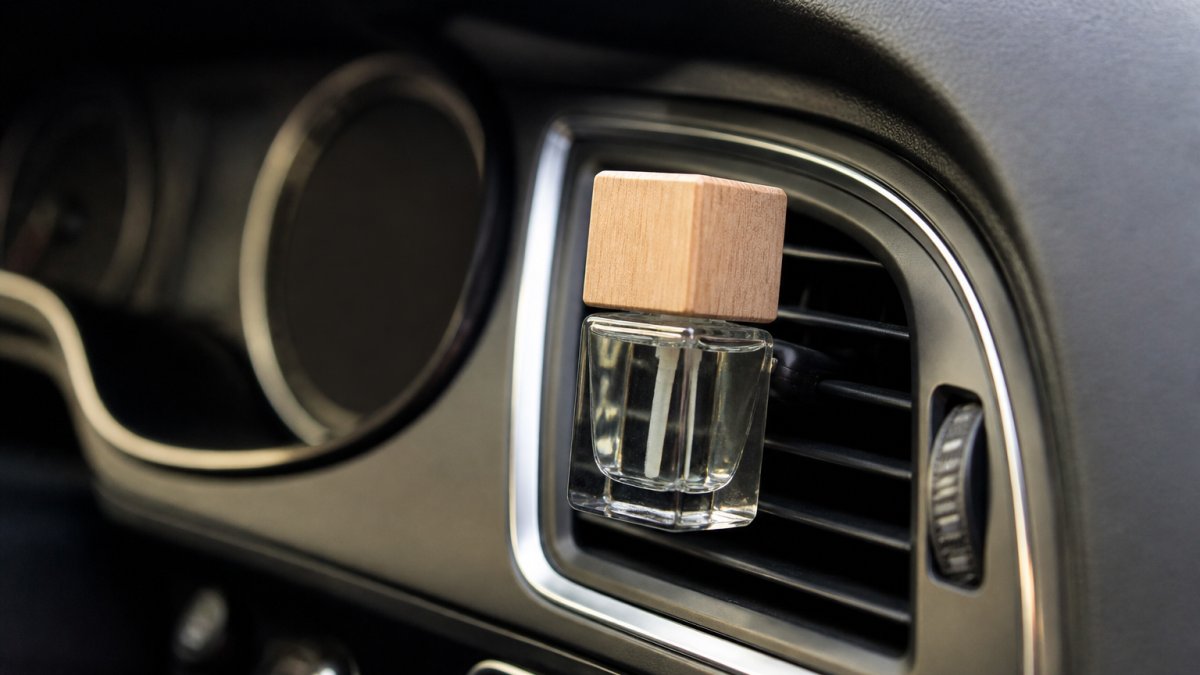
Vent clips tie scent to airflow: the Flava Speed range uses a cellulose wick that soaks up fragrance as air moves past it, so scent builds naturally rather than blasting out.
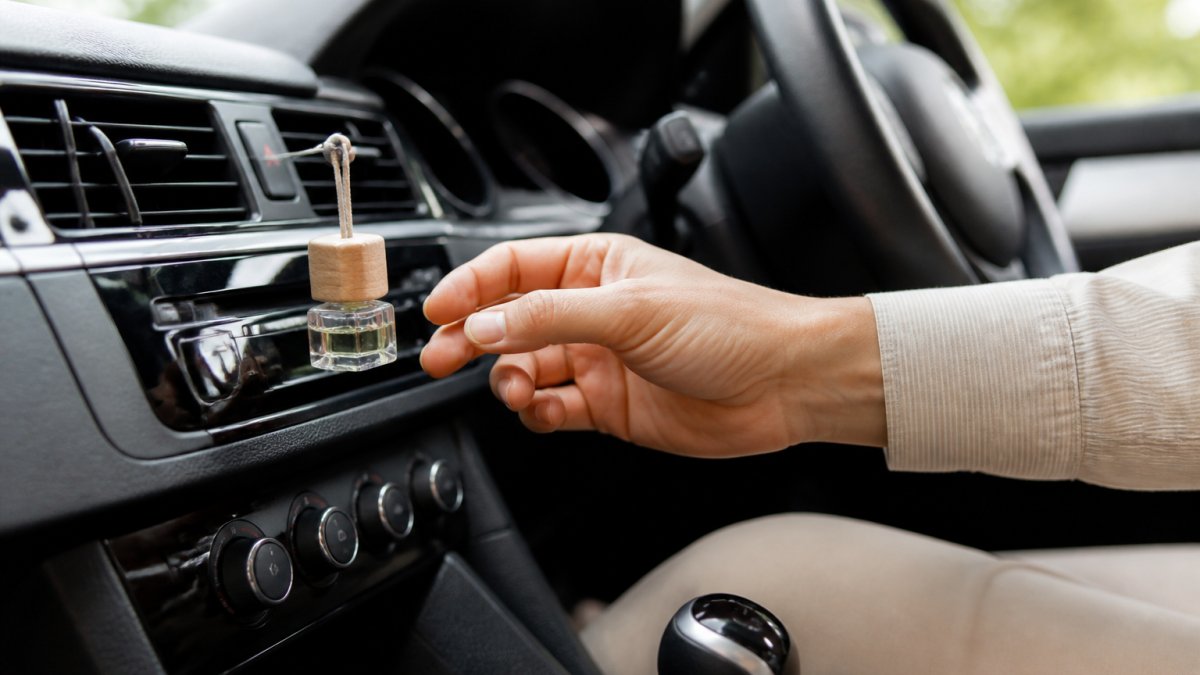
Wood diffusers work on the same slow-release idea: our Flava Wood Ocean Mist uses a natural wood cap you soak, then hang from the mirror, and re-soak whenever you want a fresh burst.
Find Your Scent Family and Fragrance Profile
A scent family is a group of fragrances sharing a common character, such as citrus, floral, or woody. Knowing yours makes choosing far quicker.
Most car scents fall into a handful of groups:
- Fresh and clean: crisp, airy, and easy to live with
- Citrus: zesty and bright, great for morning drives
- Floral: soft and elegant, ideal for a refined feel
Your personal preference should lead here. There is no wrong answer, only the wrong strength for your cabin.
The Best Floral Car Scents for Spring and Other Seasonal Picks
Season should shape your choice as much as preference does: the best floral car scents for spring feel light and clean, matching milder weather and longer days.
A simple seasonal rule:
- Spring: floral and fresh scents
- Summer: citrus and aqua scents that cut through heat
- Autumn: sweet and spicy scents
Flava Speed Lemon Love is a strong summer pick with a zesty citrus lift, while Flava Speed Cool Aqua brings crisp, ocean-inspired freshness when you switch on the fan. Both hold 7ml of concentrated fragrance and clip into your vents.

How to Pick a Long-Lasting Car Air Freshener
A long-lasting car air freshener releases scent slowly and steadily, not strongest on day one, fast release is the enemy of longevity. The hard part is judging it before you buy, because 'lasts up to 60 days' on a label tells you almost nothing about your car.
Here is how to test it yourself, under conditions you control.
Run a fair comparison
Pick a start date and note it, then keep the same product in the same position at the same release setting for the whole test. Change one variable at a time, move a tin from the cup holder to the parcel shelf halfway through and you have tested two setups, not one product.
A simple method:
Flava Scent Tin - New New Car →
- Record the start date on your phone or a note in the glovebox.
- Set the release to a fixed level and leave it there. Do not top it up mid-test.
- Note the date the scent drops below 'noticeable when you open the door'. That is your realistic end point, not the day it becomes completely undetectable.
- Repeat with a second product in the same position, in the same season, so the comparison is like for like.
The gap between a good and a poor performer usually shows up only after the first week, because the first few days are dominated by the initial burst, which is why day-one impressions mislead.
Work out cost per day, not cost per unit
Value for money is not the sticker price but the price divided by the days of usable scent you actually get.
Divide the price by the days the product stayed noticeable and you have a cost per day.
Keep a running note of what you paid and how long it lasted; after three or four products you will have a personal benchmark no label can beat.
What actually shortens lifespan
Three factors do most of the damage:
- Heat and direct sun. A tin left on a dashboard in strong sun can release its fragrance far faster than one kept in shade. Move it out of direct light in warm months.
- Airflow. A vent clip with the fans off releases almost nothing, so it lasts longer but does less. A vent clip with the fans on constantly will fade sooner. Match the format to how you actually use the cabin.
- Dose. Opening a tin fully or re-soaking a diffuser often gives you a stronger hit but a shorter overall life. Dial the release down and you stretch the same product further.
Judge the format against your routine
Passive formats such as tins and wood diffusers outlast quick sprays because they release scent gradually rather than in one burst. Vent clips sit in the middle: they last well with steady airflow but depend on you using the fans.
For the lowest cost per day, a passive format kept out of direct sun is usually the strongest starting point; for a scent that arrives when you want it, a vent clip gives you more control.
Car Fragrance Safety, Sensitivity and Ventilation
Car fragrance safety comes down to two things: a well-ventilated cabin and a sensible dose. A car is a small, enclosed space, so scent builds quickly, and the practical detail is what keeps a cabin comfortable when someone is sensitive to strong smells.
Ventilation habits that work
Airflow is the single biggest lever you have. A few habits make a real difference:
- Crack a window on the first few minutes of a journey. This clears the initial burst of scent that builds when the car has been closed up.
- Use the recirculation setting sparingly. Recirculation traps air inside the cabin, so scent concentrates. Fresh-air mode dilutes it.
- Air the cabin after a long drive. Leaving a window open for a minute when you park stops scent building up for the next trip.
Dosage control for sensitive passengers
If you or a regular passenger is sensitive to strong scents, you have more control than you might think:
- Start low and build up. Open a tin only partway, or re-soak a diffuser less often, and increase only if you want more.
- Choose a subtle scent family. Fresh, clean and light citrus profiles tend to sit more gently in a small cabin than heavy spicy or woody scents.
- Move the product away from faces. A vent clip pointed at the driver is more noticeable than one on a passenger-side vent. A tin under the seat is less intrusive than one in a cup holder.
When a scent is too strong
If a fragrance feels heavy, act rather than waiting for it to settle:
- Reduce the release level if the format allows it.
- Move the product further from the occupants, for example from a vent to under a seat.
- Ventilate the cabin with a window or fresh-air setting.
- Remove the product for the rest of the journey if the discomfort continues.
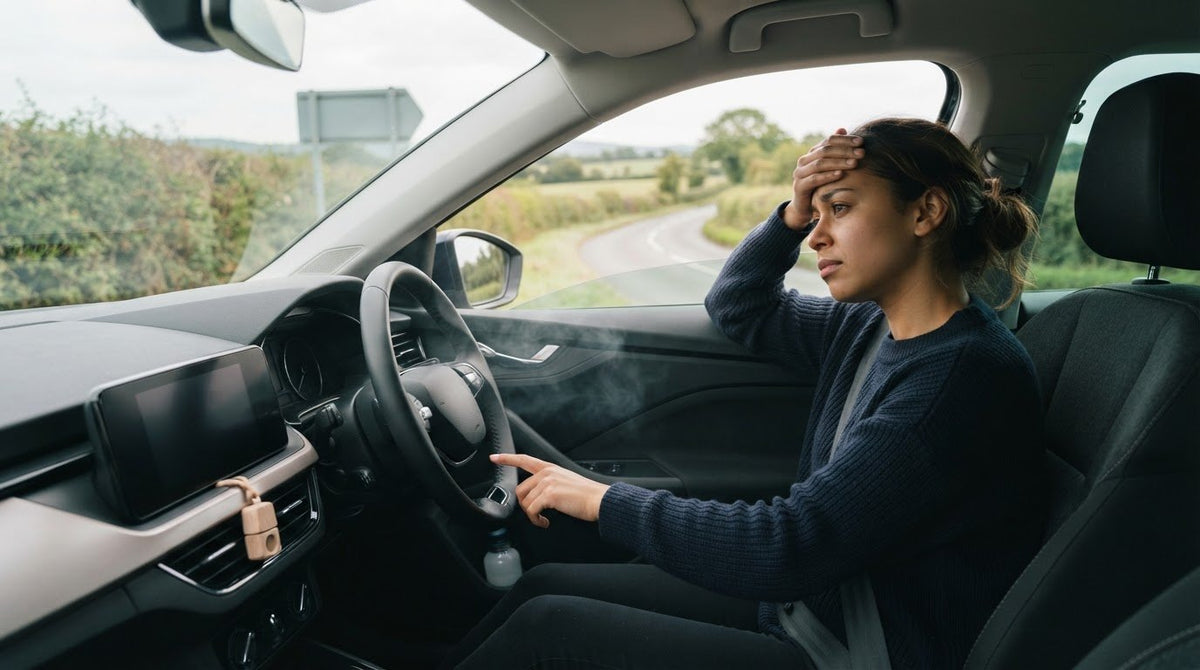
A scent pleasant at low intensity can overwhelm at full release in a small cabin, the fix is usually dose and placement, not a different product.
A note on odour versus fragrance
Fragrance adds a smell; it does not remove one. If the cabin has a persistent odour from spills, pets or food, clean the source before any fragrance will sit well, masking a strong odour with a stronger scent usually produces a heavy, muddled smell. Deal with the source first, then add fragrance at a low level.
If you are unsure whether a fragrance suits you, try it at a low level in a well-ventilated cabin and build up.
Placement, Dosage and Troubleshooting Your Car Fragrance
Placement decides how a car fragrance performs. Put it where air moves and where it will not distract you.
Where to place each format:
- Scent tins: cup holder, under the seat, or a door pocket
- Vent clips: on a vent, so airflow carries the scent
- Wood diffusers: hung from the mirror with the supplied cord, clear of your view
Dosage is about control. Open a tin partway, or re-soak a wood diffuser less often, and you dial the strength down.
Quick fixes for common problems:
- Too strong: lower the release or move it further from you
- Too weak: improve airflow or re-soak the diffuser
- Fades fast: it may be in direct sun; move it to shade
Choosing the right car fragrance should not feel like a gamble.
At Flava Car Scents, we make that easy.
Get started with Flava Car Scents and turn every drive into something worth looking forward to.
Frequently Asked Questions
How do I choose the right fragrance for my car?
Start by matching the scent to your cabin size and daily driving. Smaller cabins suit subtle fragrances like citrus or fresh scents, while larger vehicles can carry richer oud or spicy profiles. Consider your commute length and whether you carry passengers. If you are unsure, begin with a lighter option and adjust the dosage by opening the vent or re-soaking the cap less often.
Which car air freshener lasts the longest?
Scent tins and wood diffusers generally outlast sprays and vent clips. For example, the Flava Scent Tin - New New Car provides up to 60 days of fragrance, while vent clip liquids like Flava Speed typically last a few weeks depending on airflow and temperature. Longevity also depends on placement and how often you adjust the intensity. Re-soaking a wood cap can extend its useful life.
Are car fragrances safe to use around children and pets?
Yes, when used as directed and with sensible ventilation. Choose products with clear ingredient information and avoid overpowering scents in small, enclosed spaces. Keep the vehicle ventilated, especially on long journeys, and position the freshener so it does not block the driver's view or come into direct contact with children or pets. If anyone in the car has known sensitivities, start with a subtle fragrance or an unscented alternative.
How can I stop my car fragrance from smelling too strong?
Reduce the intensity by adjusting the product's release mechanism. For a scent tin, replace the plastic top to limit how much fragrance escapes. For a vent clip, lower the fan speed or move the clip to a less direct airflow position. For a wood diffuser, soak the cap for fewer seconds and re-soak less frequently. Opening a window for a few minutes also clears excess scent quickly.

Leave a comment
This site is protected by hCaptcha and the hCaptcha Privacy Policy and Terms of Service apply.