

You notice it the second you open the door: stale food, damp fabric, pet hair, smoke, or a mystery smell that makes an otherwise clean car feel tired. This car odor removal guide is built around one rule: remove the source before adding fragrance. A premium scent should finish the experience, not fight with yesterday's drive-thru order.
A car holds odor more easily than most people realize. Upholstery, carpet, headliners, vents, seat belts, and even the trunk can trap particles for weeks. The right fix depends on what caused the smell, how long it has been there, and whether moisture is involved. Once the cabin is genuinely clean, your fragrance can do what it is meant to do: make every drive feel more considered, polished, and personal.
Car Odor Removal Guide: Start With the Source
Masking a smell can work for a short ride, but it rarely works for long. If an odor comes back after the air freshener fades, something inside the vehicle is still feeding it. Begin with a quick inspection before you reach for sprays or diffusers.
Check under the seats, in door pockets, cup holders, and the trunk. Remove trash, old receipts, gym gear, fast-food packaging, wet umbrellas, and anything fabric that may have absorbed moisture. Then take out the floor mats. They collect mud, salt, spilled drinks, and dampness that can make the entire cabin smell off.
If the smell is strongest when the AC or heat comes on, the HVAC system is the likely source. A musty blast from the vents often points to moisture around the cabin air filter or evaporator. If the odor is strongest after rain, look for damp carpet, wet mats, or a leaking door seal. A sweet smell, fuel smell, or exhaust smell is different. Those can signal a mechanical or safety issue, so have the vehicle inspected instead of trying to cover it with fragrance.
Match the cleanup to the odor
Food and drink odors respond best to a thorough vacuum followed by upholstery or carpet cleaning. Treat visible spills promptly, but avoid soaking the area. Too much water can create a second problem: mildew beneath the surface.
For pet odors, vacuum slowly and use a brush attachment around seat seams and carpet edges. Hair holds odor, especially in warm weather. An enzyme-based cleaner can help with biological messes, but test it in a hidden spot first and follow the product instructions closely.
Smoke is more demanding because it settles onto nearly every interior surface. Wipe hard surfaces, clean fabric seats and carpets, replace the cabin air filter, and do not skip the headliner. Use minimal moisture on the headliner to protect the adhesive behind it. In severe cases, professional detailing is worth the cost because smoke residue can sit deep in foam and fabric.
For damp or mildew smells, dry the vehicle completely before adding any cleaner or scent. Park in a dry, ventilated area, remove wet mats, and use towels to absorb moisture from carpet. If the carpet remains wet after a day or two, investigate for a leak. Fragrance over trapped moisture will only create a sweeter version of the same problem.
Clean the Cabin, Not Just the Seats
A car can look clean while still carrying odor in the places you rarely touch. Start by vacuuming the seats, carpets, trunk, floor mat wells, and between the seat cushions. Move the seats forward and back so you can reach what normally stays hidden.
Next, wipe down the steering wheel, dash, console, door panels, cup holders, and seat belt buckles with an interior-safe cleaner. These surfaces pick up oils, food residue, and fragrance buildup. Keep cleaning products off screens and delicate trim unless they are specifically designed for those materials.
Fabric seats and carpet may need a dedicated upholstery cleaner. Leather should be cleaned with a leather-safe product, then conditioned if needed. Harsh household cleaners can leave behind their own chemical smell and may dry out or discolor premium materials. The goal is a clean, neutral cabin, not an interior that smells like a cleaning aisle.
Do not forget the trunk. Grocery leaks, sports equipment, spare tires, and damp cargo liners can make the rear of the car smell stale. Lift the trunk mat if possible and check underneath. If a spill reached the spare-tire well, clean and dry it fully before putting everything back.
Refresh the air system
Your ventilation system moves air through the whole cabin, so it deserves attention. Replace the cabin air filter according to your vehicle's schedule, or sooner if it is visibly dirty or the vents smell musty. A fresh filter can make a noticeable difference, particularly for commuters who run the AC every day.
You can also use an automotive HVAC cleaner as directed, but be realistic about what it can fix. It may freshen minor vent odors, yet it will not solve a clogged drain, a water leak, or mold growth that needs professional diagnosis. When the smell is persistent or gets worse with the AC on, get the system checked.
Let Everything Dry Before You Add Scent
This is the step people rush, and it is where good odor removal can fall apart. After shampooing, spot cleaning, or wiping down the cabin, allow the car to air out. Leave the windows cracked in a secure, dry location, or run the fan with fresh-air mode on when practical.
Moisture trapped in seat foam or carpet can bring a sour, musty odor back overnight. If you have cleaned a large spill or deep-cleaned the upholstery, give the interior extra time. A clean car that is still damp is not ready for a diffuser.
Once the cabin is dry, a light neutralizer can help with lingering traces, especially in fabric. Use it sparingly. Overloading the interior with powder, spray, or competing fragrances can make the result feel heavy rather than luxurious.
Choose a Fragrance Format That Fits Your Drive
After the source is gone, fragrance becomes the finishing touch. The best format depends on your vehicle, how often you drive, and how noticeable you want the scent to be.
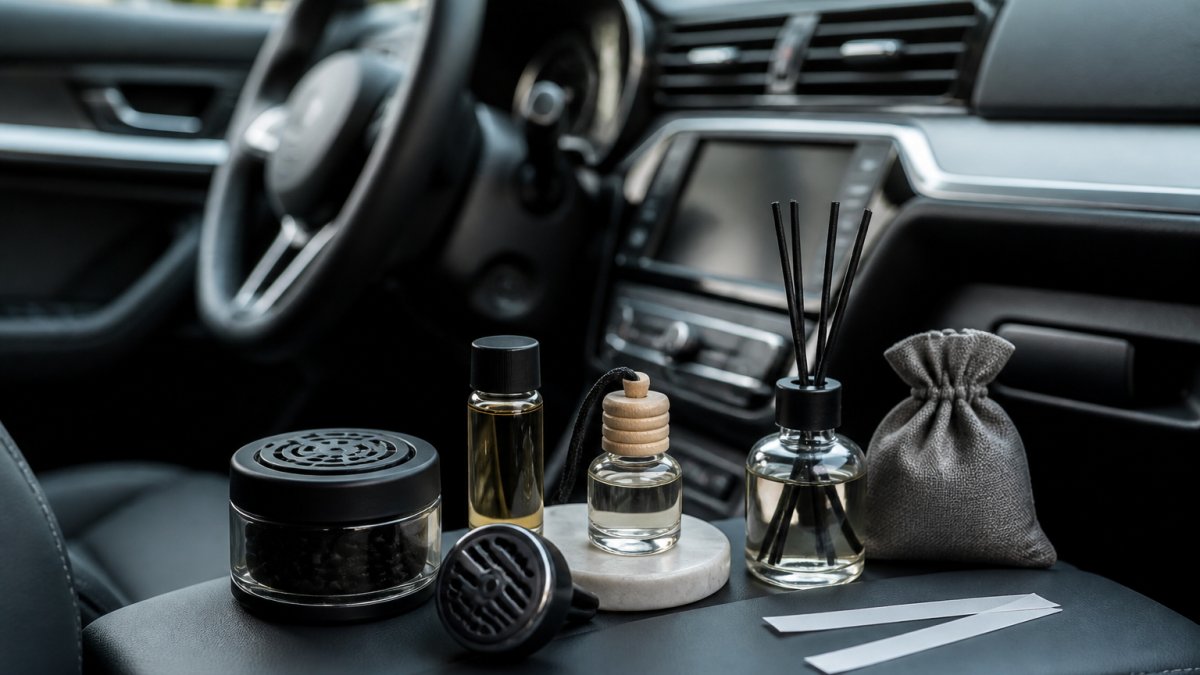
Vent clips are a smart choice for drivers who want fragrance to travel through the cabin while the fan is running. They are compact, easy to place, and ideal for keeping a daily commuter consistently fresh. In high heat, start conservatively. Warm air can make any scent feel stronger.
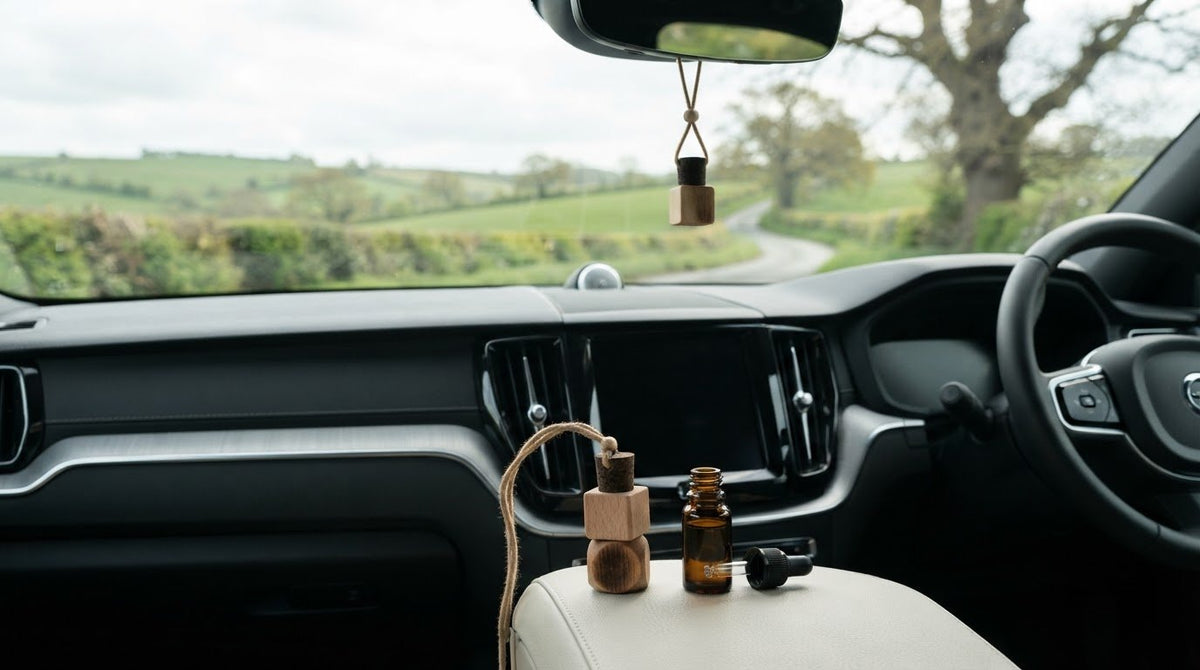
Wood diffusers bring a more styled, premium look to the cabin and suit drivers who see their interior as part of their personal presentation. Scent tins work well for a low-profile refresh in a cup holder, door pocket, or trunk. Turbo can sprays are useful when you want a fast boost before passengers, a date night, or a long road trip, but they should be used as a finishing layer rather than an odor solution.
For a more refined effect, choose one fragrance profile at a time. Mixing a sweet spray, a strong vent clip, and a scented cleaner can turn a luxury-inspired interior into sensory clutter. A single designer-perfume-inspired scent has more presence when the air around it is clean.
Flava Car Scents makes this easy with premium formats designed for scent rotation, whether you prefer a subtle daily diffuser or a stronger statement for the weekend.
Keep Odors From Coming Back
The most effective routine is simple enough to keep. Empty trash weekly, vacuum at least once a month, and clean spills the same day whenever possible. Shake out mats regularly and avoid leaving wet clothing, towels, or food containers in the car overnight.
If you drive for rideshare, carry kids, commute with coffee, or bring pets along, refresh more often. Your car has a different odor load than a vehicle used only on weekends. There is no single schedule that fits every driver, but consistency beats occasional deep cleaning.
Be mindful of where fragrance products sit. Keep oils and liquids upright, away from direct sunlight, and follow the product instructions to protect interior surfaces. If you notice a scent becoming too intense, reduce the number of fragrance products in the cabin rather than trying to overpower it with something new.
A car that smells premium is rarely the result of more fragrance. It comes from a clean foundation, a dry cabin, and one scent that feels like it belongs there. Treat that final fragrance choice like the last detail before you pull away: understated, intentional, and unmistakably yours.

Leave a comment
This site is protected by hCaptcha and the hCaptcha Privacy Policy and Terms of Service apply.