
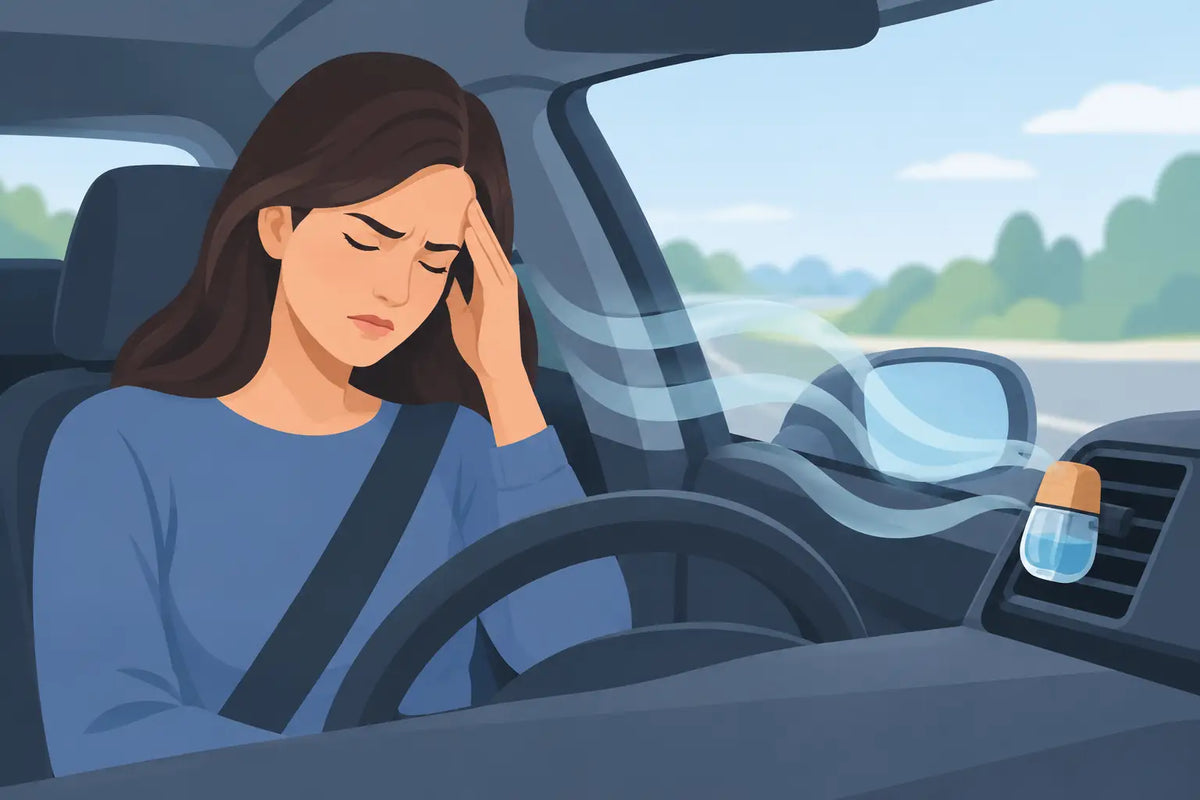
A car can look spotless, feel freshly detailed, and still become unpleasant to sit in after five minutes. So, can car fragrances trigger headaches? For some drivers, absolutely. A fragrance that feels like a premium finishing touch to one person can be too intense for another, particularly in a warm, enclosed cabin.
That does not mean every car air freshener is a problem or that you need to give up having your car smell great. It usually comes down to scent strength, ventilation, product placement, personal sensitivity, and how long the fragrance is active. The goal is not to settle for a bland cabin. It is to create a refined atmosphere that feels good for every mile.
Why car fragrances can trigger headaches
Your car is a small space. Unlike a living room, there is limited air volume, windows may stay closed, and the sun can quickly heat the interior. Those conditions can make a fragrance seem far stronger than it did when you first opened the package.
For people who are sensitive to smells, a concentrated scent may contribute to a headache, nausea, eye irritation, or a heavy feeling behind the eyes. This is often described as fragrance sensitivity, although the exact reason varies from person to person. Some people are more prone to migraine attacks, while others react to a specific scent family or simply find a fragrance overpowering in tight spaces.
A headache after installing a car fragrance is not always caused by the fragrance itself. Heat, dehydration, skipped meals, stress, motion sickness, poor sleep, exhaust fumes, cleaning chemicals, and long commutes can all be part of the picture. But if symptoms appear soon after adding a new scent and improve when it is removed, that is a useful clue.
What tends to make a car scent feel too strong?
The fragrance format matters. A spray can create an immediate, high-impact scent cloud, which is ideal when used lightly to refresh a car before a passenger arrives. But using too much spray in a closed vehicle can make the cabin feel intense fast. A vent clip can also smell stronger when the heat or AC is running because airflow carries the fragrance throughout the car.
Wood diffusers, scent tins, and refillable vent systems can offer a more controlled experience, but the right choice still depends on your preferences and vehicle size. A compact coupe with dark interior trim that sits in direct sun may hold fragrance more intensely than a larger SUV with frequent airflow.
These factors commonly raise the chance of scent overload:
- Applying multiple fragrance products at once, such as a spray plus a vent clip plus a tin
- Choosing a heavy or very sweet scent profile when you prefer clean, fresh fragrances
- Leaving a fragrance in direct sun or next to a hot vent
- Installing a new product at full strength before testing it on a shorter drive
- Using fragrance to cover up smoke, food, pet odors, or moisture instead of removing the odor source
Fragrance sensitivity is personal
There is no universal “safe strength” that works for every driver. One person may enjoy a bold designer-perfume-inspired scent on an hour-long commute, while another may prefer a subtle, clean finish that is only noticeable once they are seated.
Migraine sufferers can be especially sensitive to fragrance. Strong scents are a known trigger for some people, though not for everyone. Asthma, allergies, pregnancy, certain medications, and recent illness can also change how someone responds to odors. Even a fragrance you normally enjoy may feel overwhelming on a day when you are tired, congested, or already dealing with a headache.
That is why the best car scent setup is adjustable. A luxury driving environment should feel personal, not permanent. Being able to reduce fragrance output, move the product, or rotate scents gives you more control over the atmosphere inside your vehicle.
How to use car fragrance more comfortably
Start lower than you think you need. If you are using a spray, apply a light mist to a suitable area, then let the car air out briefly before driving. Avoid spraying heavily onto seats, headliners, steering wheels, pedals, or anywhere that could distract from safe driving. A little should create a polished impression, not a wall of scent.
With a vent clip or diffuser, begin with the lowest available exposure or use it for shorter drives first. Keep it away from direct heat where possible, and consider opening the windows for a few minutes after the car has been parked in the sun. Fresh air is not the enemy of a good fragrance. It helps the scent sit more naturally in the cabin.
It also helps to use one main fragrance format at a time. Layering can be great in personal fragrance, but a vehicle is not a department store fragrance counter. A vent scent, a tin, and repeated spray applications can compete with each other and make it difficult to tell what is actually causing discomfort.
If you are introducing a new scent, test it on a 15- to 20-minute drive. Pay attention to how it develops after the interior warms up. The opening may be subtle, while the scent becomes more noticeable once airflow and heat activate it. If you feel fine on a short drive, you can gradually decide whether you want more fragrance presence.
Choosing a scent profile that suits your drive
Scent preference is not only about what smells good on first impression. It is about what you can comfortably live with during traffic, school runs, client pickups, or weekend road trips.
If rich gourmand, spicy, leather, or sweet scents feel too heavy for you, look toward fresher profiles with citrus, airy florals, clean woods, or soft aquatic notes. They can still feel elevated and expensive without filling the entire cabin. On the other hand, if you love deeper, designer-inspired profiles, use a lighter fragrance setting or position the product farther from direct airflow.
Consider your passengers, too. Rideshare drivers and carpool commuters may want a more restrained scent than someone who drives solo. A refined, low-to-medium fragrance level feels welcoming to more people and keeps the interior from becoming associated with one overpowering smell.
What to do if a car fragrance gives you a headache
Remove or seal the fragrance product, open the windows, and let the vehicle air out. Do not try to mask the scent with another air freshener, odor eliminator, or stronger spray. That can make the situation worse.
Wipe down any surface that was directly sprayed, following the material care guidance for your interior. Then take a break from fragrance for a day or two before deciding whether to try a different format, a lighter scent profile, or a lower level of use.
If headaches are severe, frequent, or accompanied by wheezing, chest tightness, swelling, dizziness, or trouble breathing, seek medical advice promptly. And if you suspect exhaust fumes or a mechanical issue rather than fragrance, do not keep driving until the vehicle has been inspected. Carbon monoxide has no smell, so a “fragrance headache” should never be used to explain away persistent symptoms that feel unusual or serious.
A better standard for your car’s atmosphere
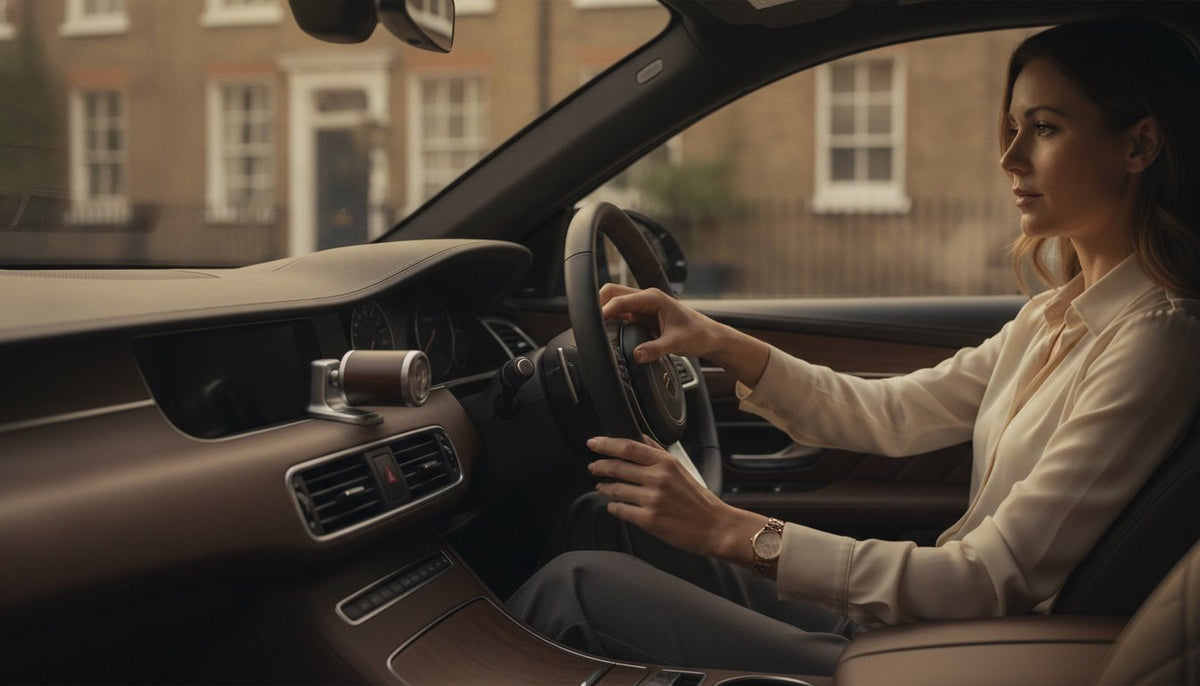
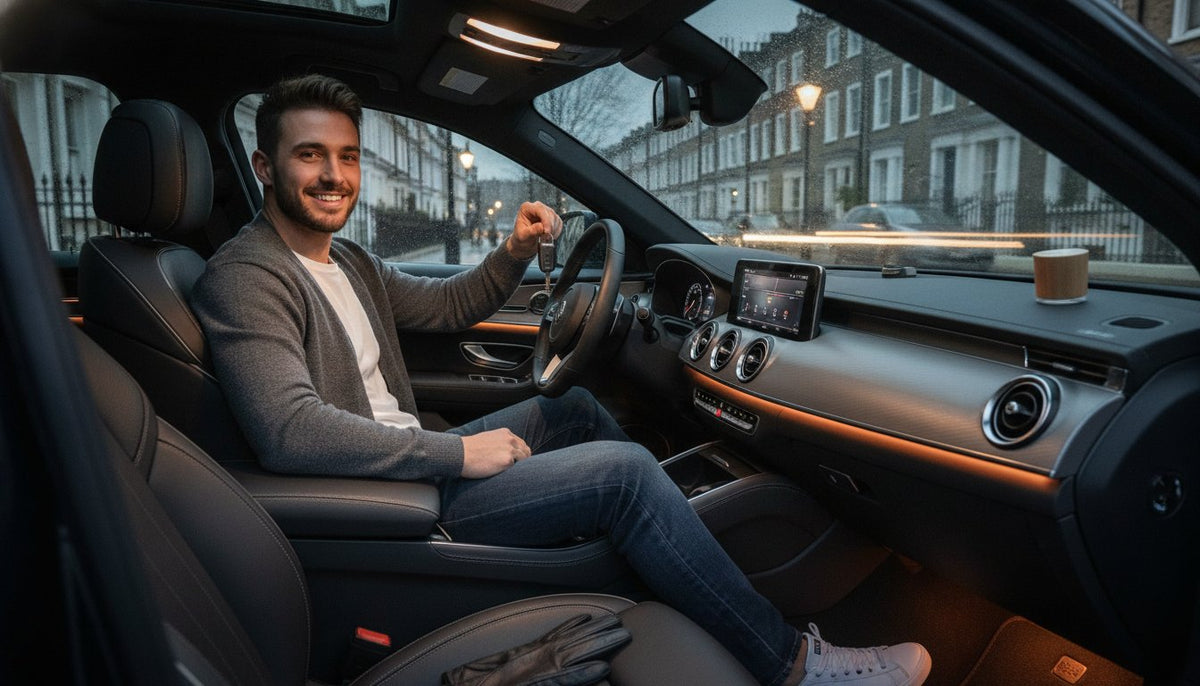
The best car fragrance is one you notice at the right moment: when you open the door, settle into the driver’s seat, or welcome someone into the passenger side. It should make the cabin feel cleaner, more considered, and more like your own.
Flava Car Scents is built around that kind of upgrade, with fragrance formats that let drivers tailor the experience instead of relying on a one-size-fits-all scent blast. Start subtle, give each scent room to breathe, and let your car smell premium without making the drive less comfortable.

Leave a comment
This site is protected by hCaptcha and the hCaptcha Privacy Policy and Terms of Service apply.