

That new-car vibe can turn cheap fast when a fragrance feels harsh, gives you a headache, or leaves the cabin smelling more chemical than clean. So, are car air fresheners toxic? The honest answer is that some can be irritating or concerning depending on the ingredients, the strength of the formula, your sensitivity, and how you use them in a small enclosed space like a car.
That matters because your vehicle is a tight environment. Heat builds up fast, airflow changes constantly, and scent products sit inches away from where you breathe. If you care about how your car looks, feels, and smells, safety should sit right next to style.
Are car air fresheners toxic in every case?
Not automatically. “Toxic” is a broad word, and it gets used loosely online. Most car air fresheners are designed for consumer use, but that does not mean every formula is equal or that every person reacts the same way.
The better question is whether a specific product contains ingredients that may trigger irritation, discomfort, or longer-term concerns with repeated exposure. For some people, the issue is immediate. They notice coughing, headaches, watery eyes, or nausea after hanging a strong freshener or using a heavy spray. For others, the concern is more about cumulative exposure to certain volatile organic compounds, synthetic fragrance ingredients, or solvent-heavy formulas over time.
So the real answer lives in the details. Product format, concentration, ventilation, and ingredient quality all change the equation.
What raises concern in car fragrance products?
The biggest concern is usually not the idea of fragrance itself. It is the combination of concentrated scent materials and a confined interior. On a hot day, that concentration can feel much stronger than it did when you first opened the package.
Some lower-end air fresheners may contain high levels of volatile organic compounds, often called VOCs. These compounds can evaporate into the air and contribute to that sharp, synthetic smell people often associate with bargain air fresheners. Certain VOCs can irritate the nose, throat, or lungs, especially for people with asthma or fragrance sensitivity.
Another issue is undisclosed fragrance blends. “Fragrance” on a label can cover a wide mix of ingredients, and brands do not always spell out every component. That lack of transparency makes it harder for shoppers to compare products on more than scent alone.
Then there is overuse. Even a well-made product can become unpleasant if the scent output is too strong for the space. A tiny cabin does not need the same intensity as a large room. If the fragrance is overpowering, the experience shifts from premium to aggressive very quickly.
Why some people react more strongly than others
Two drivers can use the same product and have completely different experiences. One enjoys a smooth, long-lasting scent. The other gets a migraine halfway through the commute. That does not mean one of them is wrong. It means sensitivity matters.
People with asthma, allergies, sinus issues, or fragrance-triggered headaches tend to notice problems faster. Children and pets may also be more sensitive in enclosed environments. Even if a scent is technically within consumer safety standards, it may still feel like too much for a particular user.
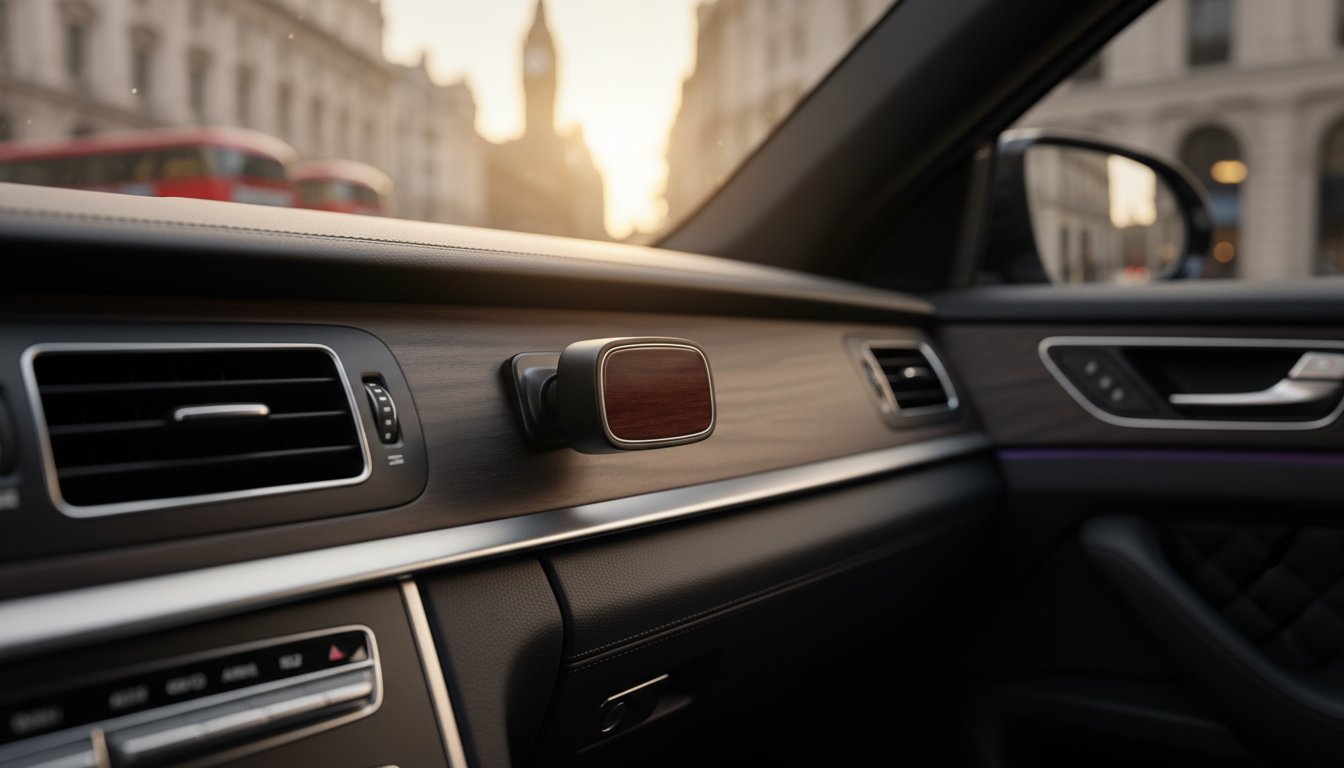
Heat also changes perception. A vent clip that smells balanced in mild weather may become intense in a parked car during summer. Sprays can hit hard if applied too heavily right before getting in. Wood diffusers and refill systems may offer a steadier release, but only if the formula and dosage are well matched.
The formats matter more than most people realize
Not all car fragrance products behave the same way. A hanging freshener, a vent clip, a diffuser, a scent tin, and a spray each release fragrance differently.
Vent clips often intensify with airflow, which can be useful if you want controllable scent but can become too strong when the heat or AC is blasting. Sprays give instant impact, but they are easy to overdo. Scent tins usually stay more contained, though performance depends on the formula and where they are placed. Wood diffusers and refillable systems can feel more refined because they often release fragrance more gradually.
That does not make one format universally safer than another. It means the best option depends on how much scent you want, how often you drive, and how sensitive you are. Premium design is not just about appearance. It is also about delivering fragrance in a way that feels elevated rather than overwhelming.
How to tell if an air freshener is a bad fit
Your body will usually give you clues before a label does. If a car air freshener causes burning eyes, throat irritation, dizziness, nausea, headaches, or a heavy chemical feeling, stop using it. A scent should upgrade your cabin atmosphere, not make the drive unpleasant.
It is also worth paying attention to lingering residue or staining. Some products can leave oily marks on surfaces or damage trim if they leak or are sprayed too close. That is less about toxicity and more about overall product quality, but it still matters if you want your interior to look as premium as it smells.
A good car scent should feel intentional. It should support the space, not take it over.
How to choose a cleaner, better car scent
If you want to reduce concerns, shop with more standards than just “smells good.” Look for brands that present their products as premium fragrance solutions rather than disposable gimmicks. Better materials, more balanced scent design, and smarter delivery formats usually create a better in-car experience.
Pay attention to how strong the fragrance is meant to be. Long-lasting is great. Overpowering is not. If a brand emphasizes control, refill options, or multiple formats, that is often a sign they understand that scent is personal.
Ingredient transparency helps too. Not every brand will disclose every fragrance note or component, but a more thoughtful company will usually give clearer information about product type, usage, and what to expect. Avoid products that rely on cartoonish intensity, vague claims, or the kind of chemical blast that is meant to cover odors instead of creating a clean atmosphere.
This is where product design makes a real difference. A premium brand like Flava Car Scents positions fragrance as part of the driving experience, not just a quick fix for bad smells. That mindset usually leads to more polished scent profiles and formats that feel considered, which is exactly what style-conscious drivers should expect.
Smart ways to use car fragrance more safely
Even a quality product can become too much if you use it carelessly. Start light. If it is a vent clip or diffuser, begin with the lowest intensity possible. If it is a spray, use less than you think you need. You can always add more, but once the cabin is overloaded, you are stuck waiting it out.
Keep ventilation in mind. A freshener in a closed, sun-heated car will smell stronger than it does while driving with airflow. If you are testing a new scent, try it on a short drive first rather than right before a long commute or rideshare shift.
Placement matters as well. Do not put products where they can leak onto dashboards, screens, or trim. And if anyone who regularly rides in your car is sensitive to fragrance, choose a softer scent profile and lower output format.
So, should you stop using car air fresheners?
Not necessarily. The goal is not to make your car scent-free out of fear. It is to be more selective. There is a big difference between a cheap, harsh air freshener that floods the cabin and a well-designed fragrance product that adds a clean, luxurious layer to the drive.
If you have known sensitivities, the safest move is to choose lighter scents, lower-intensity formats, and use them sparingly. If you have never had a problem, it still makes sense to avoid low-quality products that smell synthetic or feel excessive in heat.
A great car fragrance should feel like part of your personal style - polished, controlled, and easy to live with. If a scent gives you a headache, dries out the air, or makes the cabin feel heavy, that is not luxury. That is your sign to upgrade your standard.


Leave a comment
This site is protected by hCaptcha and the hCaptcha Privacy Policy and Terms of Service apply.