

A premium car scent should make the cabin feel considered, not leave you second-guessing every breath. So, are fresheners toxic? The honest answer is that it depends on the formula, how much fragrance is released, the size and ventilation of your car, and your own sensitivities. Most drivers can enjoy car fragrance as intended, but thoughtful use matters - especially in a small, enclosed space.
The goal is not to turn your car into a scent-free zone. It is to choose a format and intensity that fit your drive, then use it with the same common sense you would apply to any fragrance product.
Are Fresheners Toxic in a Car?
“Toxic” is a broad word. It suggests a product is automatically dangerous, when the real question is usually about exposure. A fragrance that smells great in a large, well-ventilated space can feel much stronger in a compact car with the windows up for an hour-long commute.
Car fresheners may contain fragrance compounds, solvents, and other ingredients that help carry and release scent. Depending on the product, they can release volatile organic compounds, often called VOCs, into the air. That does not mean every air freshener is harmful or that a scented cabin is unsafe by default. It does mean that more product, more heat, and less airflow can create a more intense experience.
For many people, the first sign that a scent is too strong is not a label - it is how they feel. A headache, nausea, watery eyes, coughing, or throat irritation can be a sign to reduce the fragrance level, increase ventilation, or remove the product. Fragrance sensitivity is personal. A scent that feels polished and subtle to one driver may be overwhelming to another.
Why Car Fresheners Can Feel Stronger Than Home Fragrance
Your vehicle is a small environment. Heat builds quickly behind glass, air recirculates, and the scent source may sit just inches from the driver or passenger. Those conditions can make a fragrance perform more intensely than expected.
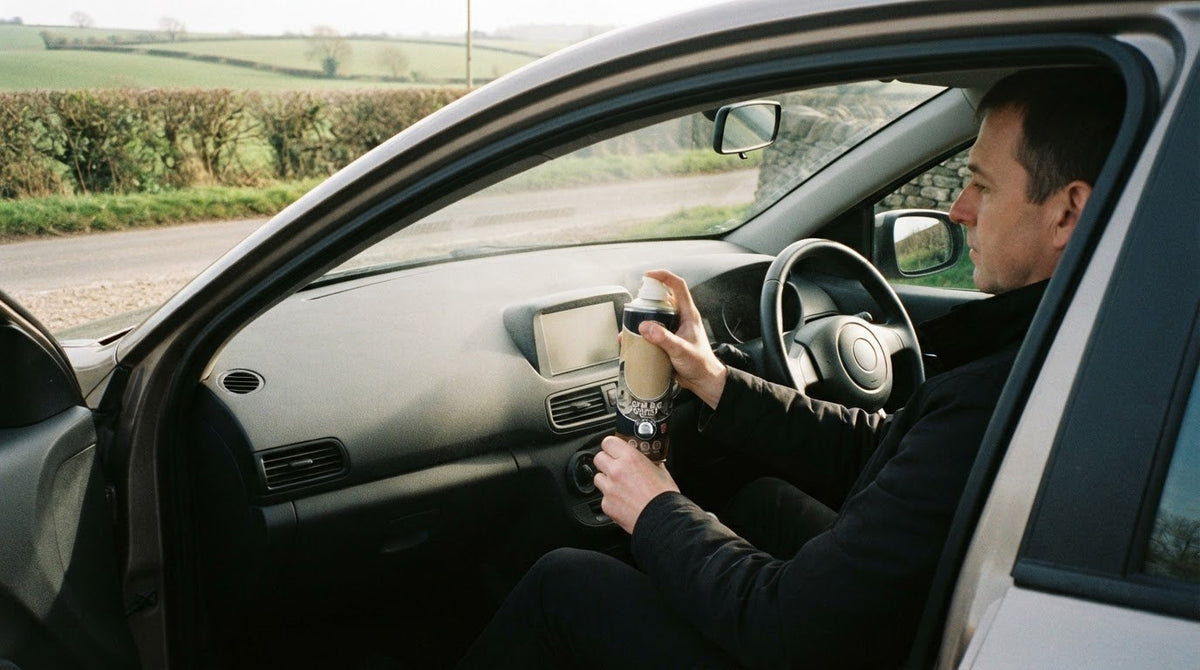
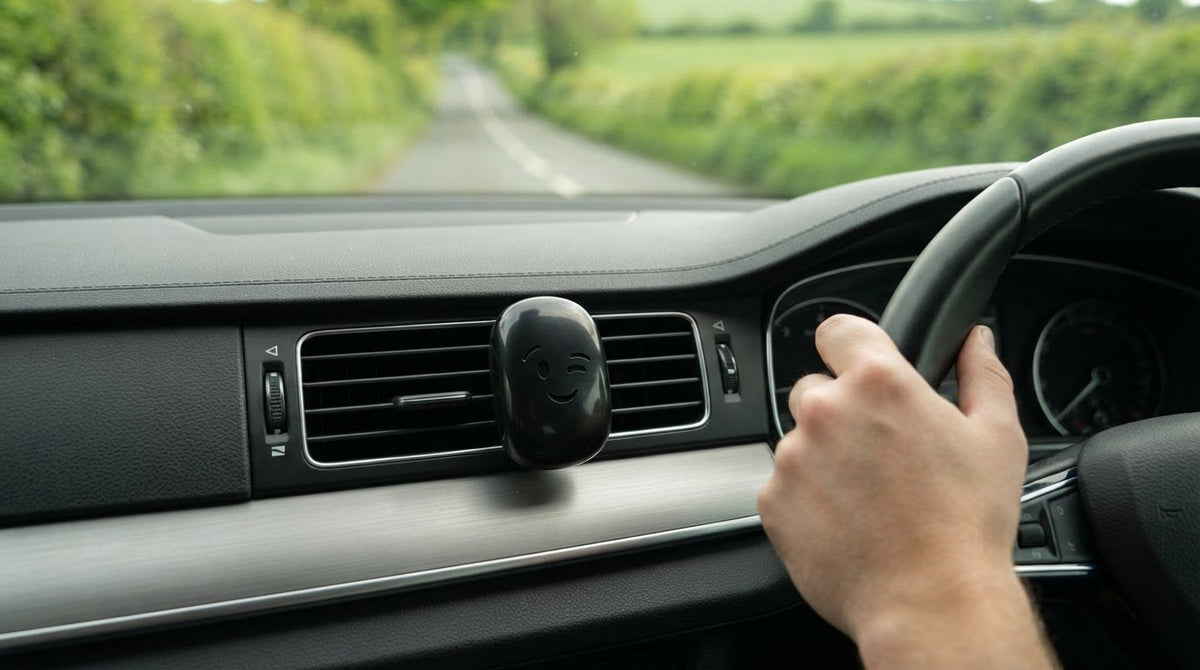
A hanging freshener, vent clip, diffuser, scent tin, or spray also releases fragrance differently. Vent-based products can become more noticeable when the fan is running. Liquid diffusers may release more scent as the cabin warms. Sprays create an immediate burst, which is useful before passengers get in but can be too much if used heavily in a closed car.
Heat is the biggest variable. A freshener that feels balanced on a cool morning may be far more noticeable after a car has been parked in direct sun. That is why a premium result is not always about choosing the strongest scent. It is about having control over how it wears in your space.
Who Should Be More Cautious?
Anyone can prefer a lighter scent, but some people may need to take extra care. Drivers or passengers with asthma, allergies, migraines, fragrance sensitivities, or respiratory conditions may find fragranced products more likely to trigger discomfort. Young children and pets can also be more sensitive to concentrated smells because they spend time close to the seats and cabin surfaces.
If you regularly drive with a baby, a pet, or someone who reacts to fragrance, keep the scent level low and never assume “more” will create a better cabin. Start with a small amount, use fresh air rather than recirculation when practical, and pay attention to how everyone in the vehicle responds.
A strong reaction, trouble breathing, wheezing, swelling, or persistent symptoms is not something to push through. Remove the fragrance source, get fresh air, and seek medical advice when needed. Car scent should support the experience of driving, not compete with your comfort or focus.
Ingredients and Labels: What to Look For
Not every product label gives the same level of detail, and fragrance formulas can be complex. If ingredient transparency is a priority for you, look for clear use instructions, warnings, and manufacturer information rather than relying on marketing language alone.
Be especially cautious with products that have vague instructions, damaged packaging, no safety guidance, or a scent that seems aggressively chemical straight out of the package. Price alone does not tell you whether a product is right for your car. A better signal is whether the brand explains how to use the format properly and provides basic handling information.
For liquid products, check whether the formula can stain, damage surfaces, or require upright placement. For vent clips and refill systems, confirm they are installed securely and away from controls. For sprays, make sure they are intended for vehicle interiors and use only the amount directed.
Fragrance is also not the same thing as odor removal. If your car has a musty, smoky, or sour smell, adding scent may cover it temporarily without solving the cause. Damp carpets, a dirty cabin filter, food spills, gym bags, and lingering smoke all need cleaning or repair first. A refined scent performs best in a clean cabin.
How to Use Car Fresheners More Thoughtfully
The most luxurious fragrance experience is controlled. You want the scent to greet you when you get in, not announce itself before you close the door.
Start at the lowest effective level. With a vent freshener, use a lower fan setting at first and adjust as needed. With a diffuser or hanging format, avoid placing several fragrance products in the same small cabin. With a spray, begin with one or two light sprays away from faces, then let the car air out briefly.
Placement matters, too. Keep products away from direct contact with leather, vinyl, dashboard screens, painted trim, and other delicate surfaces unless the product instructions specifically say it is safe. Do not place a fragrance product where it can interfere with pedals, controls, airbags, or visibility. A great-looking cabin still needs to be a safe one.
It also helps to rotate rather than stack scents. One designer-perfume-inspired profile can give a car a clean, elevated identity. Layering a sweet spray, a strong vent clip, and a scent tin at the same time can make it difficult to tell what is actually working - and can create an overly intense result.
Choosing the Right Format for Your Driving Style
There is no single best car freshener format. The better choice depends on how you use your vehicle and how much control you want.
Vent clips and refillable vent systems suit drivers who want adjustable, steady fragrance during regular commutes. They are easy to notice when the air is on, and refills make scent rotation simple. Hanging fresheners are straightforward and visible, offering a classic format for people who enjoy a scent that is always present.
Wood diffusers and other passive formats can feel more understated, making them a strong fit for drivers who want a premium scent without a major burst of fragrance. Scent tins are useful for discreet placement, while sprays offer fast impact before a date night, rideshare shift, road trip, or passenger pickup.
The trade-off is simple: immediate impact usually requires more restraint, while slower-release formats often create a more consistent background scent. If you are fragrance-sensitive, choose a format you can easily move, close, reduce, or remove.
A Better Standard for a Fresh Car
A car should smell like you take care of it, not like you are trying to hide something in it. Keep the interior clean, replace or wash odor-holding items when necessary, and use a fragrance format that matches the size of your cabin and the length of your drives.
At Flava Car Scents, the luxury is in making your space feel personal - whether you prefer a subtle designer-inspired finish or a richer scent for the weekend. The best choice is the one that gives your drive character while still leaving the cabin comfortable for everyone riding in it.
If a scent feels too strong, trust that instinct. Turn it down, air the car out, and let premium fragrance stay where it belongs: as the finishing touch to a better drive.

Leave a comment
This site is protected by hCaptcha and the hCaptcha Privacy Policy and Terms of Service apply.