
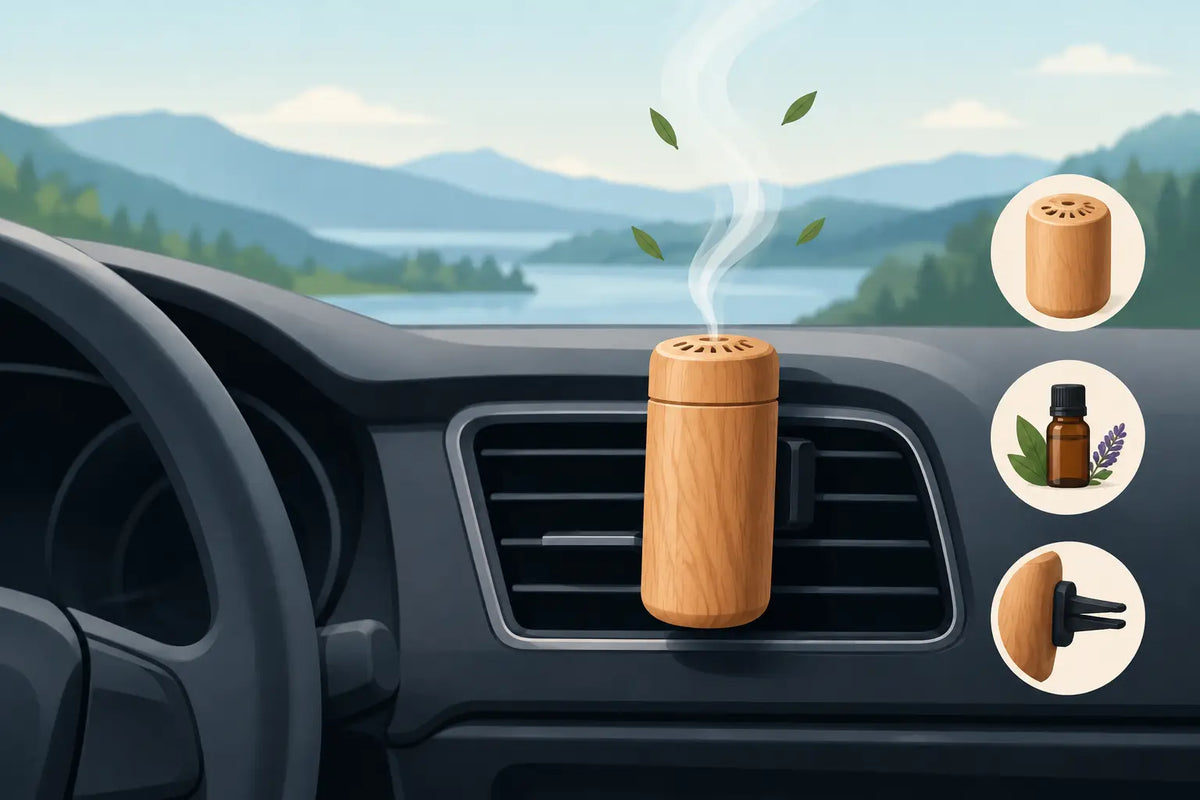
A car can be spotless, freshly detailed, and still feel unfinished when the scent is flat, overly sweet, or gone before the week is out. This wood diffuser car review looks at why this small fragrance format has become a favorite for drivers who want their interior to feel more considered - not covered up with a generic air freshener.
Wood diffusers bring a different kind of presence to the cabin. They are compact, understated, and designed to release fragrance gradually rather than hitting you with an aggressive burst every time you open the door. For commuters, rideshare drivers, car enthusiasts, and anyone who treats their vehicle as part of their personal style, that difference matters.
Wood Diffuser Car Review: What Makes It Different?
A wood car diffuser typically combines a small glass fragrance bottle with a natural wood cap. Once the bottle is opened and the cap absorbs the scented oil, the wood slowly disperses fragrance into the air. The result is usually softer and more consistent than a spray, while looking far more premium than a cardboard freshener hanging from the mirror.
The appeal is as visual as it is practical. A well-designed wood diffuser suits a clean interior, whether your car has black leather, light upholstery, gloss trim, or a minimal dashboard. It feels more like an accessory than an afterthought.
That said, it is not the right format for every driver. If you need an immediate scent reset after food, pets, gym bags, or a full day of rideshare passengers, a turbo can spray may work faster. A wood diffuser is made for atmosphere. It is the fragrance equivalent of a low, polished background playlist rather than a loud first track.
Scent Quality: The Real Reason to Choose Wood
The best reason to buy a wood diffuser is the scent experience. Basic air fresheners often rely on sharp, recognizable fragrance notes that fill the car quickly but can become tiring in an enclosed space. A premium diffuser is better when the fragrance has dimension: clean citrus, smooth amber, warm woods, fresh aromatic notes, or designer perfume-inspired accords that develop naturally as you drive.
Because the diffusion is gradual, the scent is less likely to feel overpowering. You may notice it most when you first get in, after the car has been parked, or when the cabin warms up. That softer release is a strength for drivers who spend a lot of time behind the wheel and do not want a fragrance competing with every coffee stop, meal, or passenger.
Fragrance preference is personal, so the “best” scent depends on the impression you want your car to make. Fresh, aquatic, and citrus-led profiles are easy everyday choices, especially for shared vehicles. Woody, musky, and amber scents feel more refined and work well in darker interiors or evening drives. Sweeter perfume-inspired fragrances can make a stronger statement, but choose carefully if you regularly drive with passengers who may prefer something lighter.
A quality fragrance should smell intentional from the first use through the final days of the bottle. If it turns chemical, cloying, or noticeably weak after a short time, the format is not delivering its premium promise.
Style and Placement Matter
Most wood diffusers are designed to hang from the rearview mirror, where air movement helps carry the scent through the front of the cabin. This placement also keeps the bottle visible, which is ideal if you enjoy the look of the diffuser as part of your interior setup.
There is one trade-off: anything hanging from a mirror needs to stay compact and secure. A large bottle, long cord, or excessive movement can become distracting. Keep it positioned high enough that it does not interfere with your view, and make sure it cannot swing into the windshield during hard braking or rough roads.
The diffuser should also be handled with care. Fragrance oil can damage or stain some surfaces if it leaks, so avoid over-saturating the wood cap. Keep the bottle upright when opening it, tighten the cap properly, and wipe away any excess oil before hanging it. These are simple steps, but they protect your trim, dash, and upholstery.
For a more understated look, some drivers prefer a vent clip air freshener. Vent formats can direct scent more efficiently when the air is running, while wood diffusers offer a more decorative finish and a gentler release when the vehicle is parked. Neither is automatically better. It comes down to whether you want visible style or more direct airflow-based fragrance.
How Long Does a Wood Diffuser Last?
Longevity varies based on bottle size, fragrance concentration, climate, and how the diffuser is used. Heat speeds up evaporation, which means a car parked in full sun may smell stronger but use fragrance more quickly. Cooler weather can extend the life of the diffuser, although the scent may be subtler on a cold morning.
A wood diffuser is not designed to perform like a spray. It should build a consistent scent impression over time, not blast the entire cabin at once. If you stop noticing it after several days, do not assume it has failed immediately. Your nose naturally adapts to familiar fragrances, especially in a small space you use every day. Step out of the car for a few hours, then notice the scent again when you return.
To refresh the fragrance, gently tip the bottle for a second or two so a small amount of oil reaches the wooden cap. Do this sparingly. Soaking the cap may create a stronger scent temporarily, but it also increases the risk of spills and can make the fragrance feel too heavy.
For drivers who like to switch scents often, a wood diffuser is a smart rotation format. Use a crisp scent during warmer months, move toward deeper woods or warm designer-inspired profiles in fall and winter, and keep a spray or scent tin on hand for quick odor control when needed.
Who Will Get the Most From a Wood Diffuser?
Wood diffusers are especially well suited to drivers who care about a polished cabin and prefer fragrance that feels personal rather than loud. They make sense for daily commuters who want their morning drive to feel more put together, car owners who keep their interiors detailed, and gift buyers looking for something that feels more elevated than a standard freshener.
They are also a strong fit for rideshare drivers, with one caveat: select a balanced scent. A refined fresh, clean, or lightly woody profile creates a welcoming impression without making the cabin feel overly perfumed. Save bolder scents for personal vehicles or for drivers who know exactly what fragrance families they enjoy.
If your priority is maximum fragrance output, especially in a larger SUV or after carrying strong odors, pair the diffuser with another format. A scent tin can add a subtle layer, while a spray provides quick impact. The most effective car fragrance setup is often not one product doing everything. It is choosing the right format for the moment.
Is a Wood Diffuser Worth It?
For drivers who want a premium-looking car fragrance with a smooth, gradual scent release, yes. A wood diffuser is worth the upgrade when presentation and atmosphere matter as much as odor control. It makes an ordinary commute feel more deliberate, and it gives your interior a fragrance signature that does not look or smell mass-produced.
The trade-off is that wood diffusers require a little more attention than a disposable air freshener. You need to set them up carefully, avoid spills, and accept that the scent will be more subtle than a spray. In return, you get a cleaner aesthetic and a more luxurious fragrance experience.
Flava Car Scents wood diffusers are a natural choice for building that finished-cabin feeling, especially when paired with a scent profile inspired by the kind of fragrance you would normally reserve for yourself.
Choose a scent that matches how you want the car to feel when you close the door: fresh and focused for the commute, warm and confident for the evening, or clean and welcoming for every passenger who gets in.

Leave a comment
This site is protected by hCaptcha and the hCaptcha Privacy Policy and Terms of Service apply.