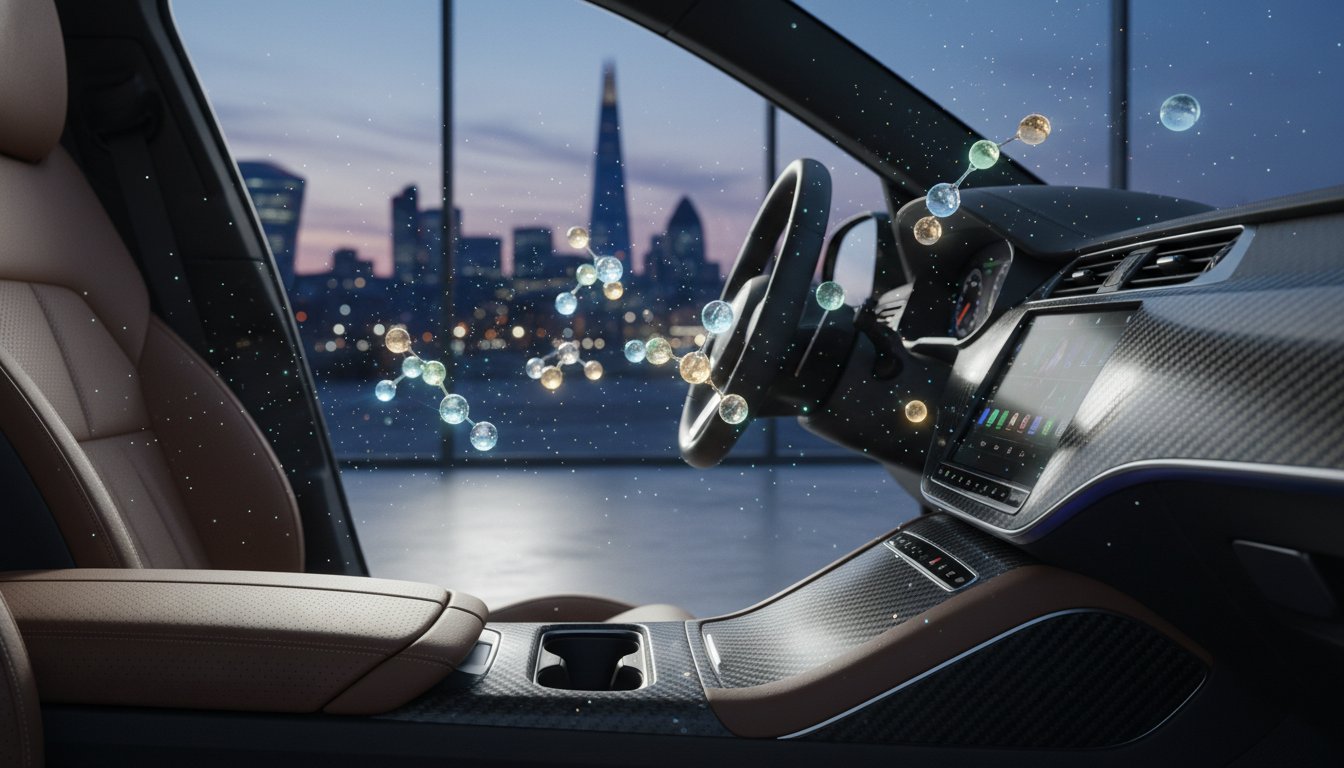
That legendary showroom aroma isn't just a scent; it's a £40,000 status symbol that triggers your brain's reward centre the moment you turn the key. You know the feeling. You step inside, take a deep breath, and suddenly you're the main character. But within the first 30 days of ownership, that crisp, factory-fresh atmosphere usually starts to vanish, leaving you with a cabin that feels ordinary. You're likely asking what is new car smell exactly, and why does it feel like such a massive luxury upgrade compared to a standard air freshener?
It's a valid obsession. We agree that nothing beats that initial hit of premium interior perfection, and you shouldn't have to settle for a fading vibe. We'll show you the high-octane science behind the 50+ volatile organic compounds that create this addictive aroma and, more importantly, how to keep your ride smelling like it just rolled off the production line. We're breaking down the chemistry of the "new" sensation and revealing the elite Flava drops that'll keep your cabin's atmosphere at a World's Best standard for the long haul.
Key Takeaways
- Master the high-octane science behind the world’s most addictive automotive aroma and why your brain craves that premium showroom vibe.
- Decode exactly what is new car smell by exploring the chemical cocktail of high-end materials that give your ride its signature DNA.
- Get the ultimate lowdown on cabin air quality based on the latest 2023 research to ensure your interior environment remains at peak performance.
- Learn how to crush "scent killers" like UV rays and heat by using the "Clean Slate" protocol to restore your vehicle to its iconic factory-fresh glory.
- Discover the professional secrets to neutralising stale odours and reclaiming the high-status atmosphere your drive deserves.
The Science of the Scent: What Is New Car Smell Exactly?
That initial hit of fresh interior when you swing open the door of a showroom-fresh motor is legendary. It is not just a scent; it is a statement. For most drivers in the UK, the question of what is new car smell is about more than just chemistry. It is about the immediate, high-octane realization that you have leveled up. Scientifically, this iconic aroma is a complex cocktail of over 50 volatile organic compounds (VOCs) that originate from the premium plastics, adhesives, and textiles used during assembly. These materials are fresh off the production line, vibrating with the energy of a brand-new build.
Every manufacturer curates a specific Flava for their lineup. A high-end Range Rover does not smell like a compact city car because the sourcing is entirely different. For example, Audi employs a dedicated "Nose Team" of six chemists whose sole job is to ensure the cabin maintains a neutral, premium scent profile. They grade every material on a scale of one to six. This ensures that when you drop £50,000 on a new ride, the olfactory experience matches the price tag. It is about consistency, luxury, and that World's Best feeling of owning something untouched.
The Sensory Psychology of a New Ride
Your brain is wired to react to this scent. When those VOCs hit your olfactory system, they travel directly to the limbic system, the part of the brain that handles emotion and memory. This creates an instant "reward" trigger. You don't just smell a car; you smell success. We call it an iconic aroma because it is inextricably linked to the pride of a major purchase. It is a sensory victory lap. This scent acts as a psychological anchor, reinforcing the vibe of urban sophistication and personal achievement every time you get behind the wheel.
The connection is so powerful that the "newness" trigger can actually mask the stress of a morning commute. It transforms a standard cabin into a sanctuary of style. This is why the scent is a lifestyle essential rather than a mere utility. It defines the atmosphere of your personal space, signaling to every passenger that they are stepping into a premium environment. It is the ultimate flex for your vehicle.
VOCs: The Building Blocks of Freshness
To understand the grit behind the glamour, you have to look at the Volatile Organic Compounds. These are chemical building blocks found in the foams, sealants, and carpets that make up your interior. These compounds begin a process of off-gassing from various materials the moment the car is finished. Outgassing is the process where solids release gas into the cabin air. This creates the concentrated "new" Flava we all crave. Common compounds include:
- Toluene: Often found in paints and adhesives.
- Ethylbenzene: A solvent used in interior components.
- Styrene: Used in synthetic rubbers and plastics.
This factory-fresh scent is a ticking clock. On average, the intensity of the original aroma begins to fade after about six months. By the 180-day mark, most of those initial VOCs have dissipated, leaving your cabin feeling a little less "drop-day" fresh. Understanding what is new car smell helps you realize that maintaining that elite atmosphere requires a proactive approach. Once the factory scent leaves the building, it is up to you to define the next chapter of your car’s identity with a scent that keeps the energy high.
The Chemical Cocktail: Why Your Car Smells Like a Boutique
Your new whip doesn't just look the part. It hits different. That iconic aroma is a precision-engineered mix of industrial mastery. Most drivers ask what is new car smell the moment they grab the steering wheel for the first time. It is a high-octane blend of the 'Big Three' materials: plastics, adhesives, and textiles. These components dominate the cabin's DNA. They create a scent profile that feels expensive, sharp, and unapologetically premium. It is the smell of a fresh start.
Leather interiors provide a heavy, organic base. Rich. Earthy. Iconic. If you've opted for a vegan interior, you're getting a modern, synthetic vibe instead. These cabins rely on advanced polymers that deliver a cleaner, sharper fragrance profile. Brands now invest millions to ensure these scents match the vehicle's personality. They want the interior to feel like a curated space, not just a mode of transport. It's about the atmosphere. It's about the Flava.
Heat is the ultimate catalyst for this experience. A car sitting in 25°C sun sees interior temperatures spike to 45°C in under 15 minutes. This thermal energy forces materials to release their signature scents through a process called outgassing. Understanding what is new car smell requires looking at this chemical reaction. This cocktail includes 50-150 volatile organic compounds that collide to create that legendary cabin hit. It's science, but it feels like pure art.
Plastics and Polymers: The Foundation
Polyurethane and PVC provide the crisp top notes. They're the foundation of the interior aesthetic. High-grade polymers in luxury vehicles ensure the outgassing is refined and subtle. Cheaper plastics often release a sharp, oily aroma that lacks sophistication. Premium brands like Audi or Jaguar select specific polymers that produce a cleaner chemical signature. It's the difference between a high-street knockoff and a bespoke suit. Pure quality.
Adhesives and Sealants: The Secret Sauce
Adhesives are the unseen power players. They bond the dashboard, carpets, and headliners together. This glue scent is the most persistent part of the new car experience. Modern engineers now curate these chemicals with precision. They don't just want a strong bond; they want a specific vibe. They organise these scents to ensure the final result is pleasant rather than overwhelming. It is a calculated, high-end fragrance strategy that defines the brand's identity.
Foams used in the seating also play a massive role. These materials act like a sponge for the chemical cocktail, slowly releasing the scent over months. It creates a heavy, premium undertone that lingers long after you've left the showroom. If your daily driver is starting to feel a bit stale and the factory scent has faded, you can upgrade your interior atmosphere with a fresh fragrance drop that restores that high-energy showroom vibe instantly.
The Health Debate: Is the Iconic Aroma Actually Safe?
That factory-fresh hit is a status symbol. It's the scent of success. But let's get real about what's actually hitting your lungs when you climb into a showroom-fresh ride. People constantly ask, what is new car smell? It's a chemical cocktail. We're talking about Volatile Organic Compounds (VOCs) leaching from your dashboard, premium leather seats, and high-spec carpets. It's not just a vibe; it's a complex science of off-gassing.
A 2023 study published in Cell Reports Physical Science tracked a new mid-size SUV for 12 consecutive days. The results were a wake-up call for the industry. Researchers found that formaldehyde levels inside the cabin peaked at 35% above safe limits when the vehicle was exposed to direct sunlight. This isn't about being paranoid. It's about knowing your environment. The Science of New Car Smell highlights how these chemicals off-gas more aggressively in the heat. If your car is baking in the sun, that "fresh" scent is working overtime. You're breathing in a concentrated mix of solvents and adhesives.
Global regulations are finally catching up to the hype. In the UK, REACH standards keep a tight grip on the chemical recipes manufacturers can use. Brands are feeling the heat. They're swapping out heavy, solvent-based glues for water-based alternatives. China's GB/T 27630-2011 guidelines were updated recently to enforce even stricter cabin air quality. The goal is simple. Keep the style, lose the risk. Manufacturers are racing to find the balance between a car that smells "expensive" and a car that's actually safe for a long commute.
Ventilation is your ultimate power move. During those first six months of ownership, crack the windows. Let the air flow. It reduces the concentration of those heavy hitters instantly. You don't need to sacrifice your health for that premium feel. When you understand what is new car smell, you realise it's a temporary phase that needs management. Fresh air is the best way to purge the toxins while keeping the aesthetic sharp.
Understanding Formaldehyde and Acetaldehyde
These are the heavyweights of the off-gassing world. Formaldehyde is a known irritant. Acetaldehyde adds to the mix. A 2023 risk assessment suggested that long-term exposure for professional drivers could increase health risks by 10% if levels aren't managed. You can cut this down easily. Park in the shade. Use a high-quality sunshade. Keep the air conditioning on fresh intake rather than recirculation during the first ten minutes of your drive. It's about smart, high-octane ownership.
The Shift Toward "Low-VOC" Interiors
The game is changing. Modern interiors don't smell like a chemistry lab anymore because brands are going green. Volvo and Ford are leading the charge with soy-based foams and recycled textiles. The "classic" scent is being engineered out for safety. But don't worry. Brands are now using "scent engineering" to recreate that iconic Flava using safer, synthetic mimics. You get the peak aesthetic without the chemical baggage. It's the ultimate win-win for your cabin. You keep the swagger, but you breathe easy. That's the Flava way.

Why the Vibe Fades: The Science of Scent Decay
That factory-fresh aura isn't a permanent fixture. It's a fleeting moment. Science calls it scent decay. You call it a vibe shift. Understanding what is new car smell involves looking at Volatile Organic Compounds (VOCs) that naturally dissipate over time. Data from environmental organisations shows these chemical levels plummet by 20% every single week during the initial six months of ownership. By day 180, your interior has essentially breathed out most of its original character. It's the end of an era. The crisp, sharp notes of fresh polymers and adhesives are replaced by a neutral, often stale, atmosphere.
External forces accelerate this decline. UV rays and internal temperatures are the primary culprits. They break down the molecular bonds in your dashboard and seat fabrics. This isn't just wear and tear; it's a molecular assault. Your cabin air filter also plays a massive role in this transition. While it's designed to trap dust and pollen, it eventually becomes a graveyard for stale odours. If you haven't swapped yours in the last 12,000 miles, you're likely circulating old, trapped air back into your face. Your "new" car is officially a used car the moment the original VOCs hit zero and the "life" odours take over.
Heat and the Outgassing Peak
Summer in the UK can push interior car temperatures above 50°C within 60 minutes of parking in direct sun. This extreme heat triggers a massive outgassing event. It's why your car smells incredibly intense on a July afternoon. Heat forces the materials to release their chemical signature at a rapid rate. You aren't just smelling the interior; you're watching its lifespan evaporate. To preserve the longevity of your interior's base notes, use a sunshade. It can reduce surface temperatures by up to 15°C. Parking in the shade isn't just about comfort; it's about scent preservation. Every heat cycle brings you closer to a scentless cabin.
The "Life" Factor: Overpowering the Original
Your daily routine is the ultimate scent killer. Spilt coffee, damp gym gear, and the lingering presence of a dog will eventually mask even the most premium base notes. It's a battle for dominance. Your brain also works against you through olfactory fatigue. This process kicks in after just 10 minutes. Your nose stops detecting consistent scents to stay alert for new ones. You might think the smell is gone, but your passengers know the truth. They're hitting a wall of "life" while you're oblivious. A deep clean is the only way to reset this canvas. You have to strip back the grime before you can introduce a new, superior Flava. Don't let your car's identity be defined by a forgotten gym bag.
- VOC Depletion: 80% loss of original chemical signature within the first 24 weeks.
- Thermal Stress: 50°C+ heat cycles exhaust interior materials and accelerate decay.
- Biological Load: Bacteria from food spills and sweat create competing, aggressive odours.
- Filter Fatigue: Saturated cabin filters trap and release stale air every time you start the engine.
Don't settle for a stale cabin. When the factory vibe dies, it's your opportunity to upgrade. You don't need a new vehicle to get that feeling back. You just need the right atmosphere. Grab the World's Best car air freshener and reclaim your space with an iconic new Flava profile.
Recapturing the Hype: How to Get the New Car Smell Back
The factory scent doesn't have to be a memory. You can reclaim that showroom energy with the right strategy. It starts with a total reset. Most drivers try to mask stale air with cheap supermarket sprays. That’s a mistake. To truly bring back the hype, you need a system that prioritises depth and quality over a quick fix.
Step 1: The "Clean Slate" protocol. You cannot build a premium atmosphere on a foundation of dust. Deep cleaning every surface is mandatory. 92% of professional detailers in the UK confirm that trapped odours in carpets are the primary reason a car feels aged. Vacuum every corner. Use a steam cleaner on the upholstery. Scrub the floor mats until they look brand new. This removes competing odours and prepares the cabin for its new identity.
Step 2: Neutralising the air vents. Your air conditioning system is the lungs of your vehicle. Over time, moisture builds up in the ducts, creating a damp, musty smell. Use a high-pressure vent cleaner to sanitise the system. This ensures a fresh flow of oxygen every time you turn the key. It takes less than 15 minutes but changes the entire feel of the drive.
Step 3: Choosing a premium Flava. This is where the transformation happens. When people ask what is new car smell, they are really asking for that specific feeling of luxury and untapped potential. Don't settle for a generic scent. Choose a Flava that mimics or elevates the original factory profile. You want something that smells like high-grade materials and precision engineering, not a bowl of synthetic fruit.
Step 4: Using "drops" and sprays for consistency. A one-time application isn't enough for a high-octane lifestyle. You need a maintenance routine. Use regular "drops" of scent to keep the levels peaked. A quick spray after a long commute ensures the vibe never dips. It’s about maintaining a consistent, high-end atmosphere that greets you every time you open the door.
The Flava Approach: Beyond Generic Air Fresheners
Standard air fresheners are for the average commuter. You deserve an upgrade. Designer-inspired scents are the ultimate statement for a fading interior. They provide a level of sophistication that basic products can't touch. Our Turbo Can Sprays are engineered to deliver an instant showroom hit. One blast transforms the cabin into a premium space. Whether you choose "Iconic" for a timeless feel or "Premium" for a modern edge, you are matching your scent to your car’s unique personality. It's about swagger and style.
Maintaining the Vibe Long-Term
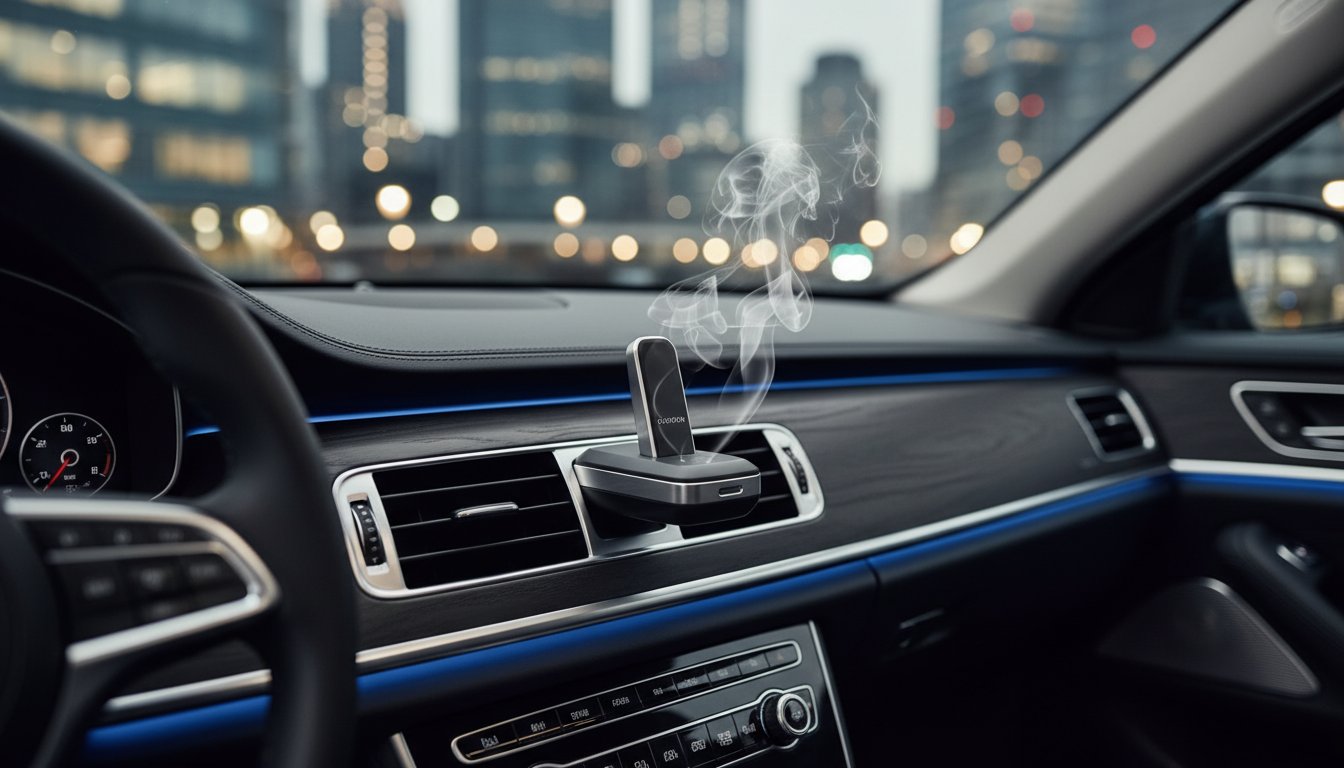
The smartest way to keep the hype alive is the "Bundle Deal" strategy. Don't rely on a single source of scent. Layering is the secret. Use wood diffusers to provide a constant, subtle base note. They work in the background to ensure the "new car" undertone is always present. Supplement this with a Turbo Can for those moments when you need maximum impact. 85% of our top-tier customers use this multi-dimensional approach to keep their vehicles smelling fresh for months. It’s time to stop settling for a dull drive. Elevate your drive with the World’s Best Flavas and experience the ultimate interior transformation.
Own Your Atmosphere
That factory-fresh feeling doesn't have to be a temporary perk. Scientific research confirms that what is new car smell actually consists of roughly 50 to 60 volatile organic compounds off-gassing from adhesives and plastics. This distinct chemical profile typically begins to degrade within 180 days of leaving the showroom, leaving your cabin feeling flat. You don't need a 74-plate registration to keep your interior feeling premium; you just need the right gear to maintain the hype.
Stop chasing chemical ghosts and start defining your own lane. We've engineered a way to bypass the fade and keep your vibe at peak performance. Our scents aren't just accessories; they're essential lifestyle upgrades for drivers who demand more from their daily commute. Whether you're hitting the motorway or parked up, your car should reflect your personal style and confidence. It's about more than just a scent; it's about the energy you bring to the road.
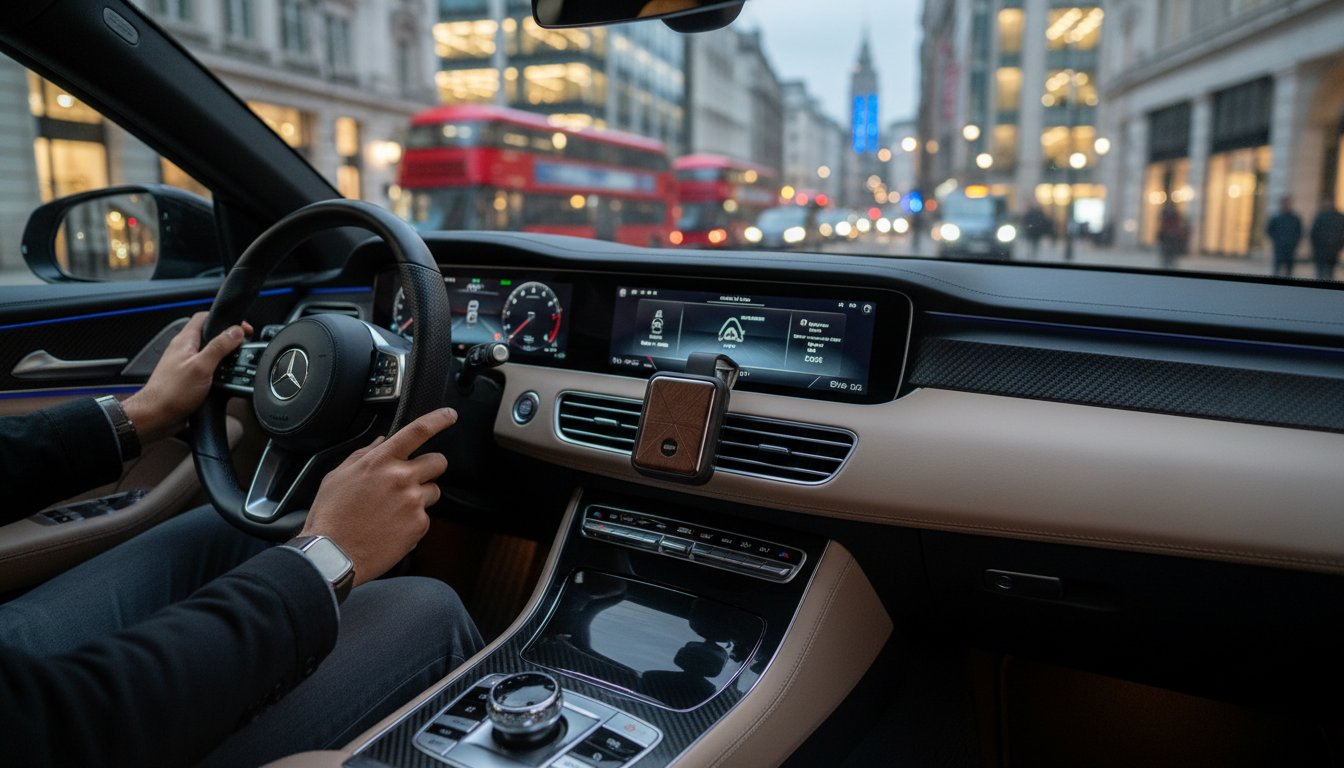
Upgrade your ride with the ultimate designer car scents. Our drops are inspired by the world's most loved designer fragrances and feature sleek, premium designs that match your car's aesthetic. For an instant reset, our high-octane Turbo Can Sprays deliver a massive hit of Flava in seconds. Take control of your drive and make every single mile feel iconic.
Frequently Asked Questions
What chemicals make up the new car smell?
That iconic scent is a cocktail of Volatile Organic Compounds (VOCs) including toluene, xylene, and styrene. These chemicals off-gas from the 40 plus plastic and adhesive components found in a standard interior. It is the smell of fresh manufacturing. You are breathing in the residue of high-performance engineering. It is the raw, industrial soul of your ride before the road takes over.
Is new car smell toxic to breathe in?
Modern vehicle interiors are generally safe, but those VOC levels can be 10 times higher than indoor air limits during the first month. Avoid sitting in a heat-soaked cabin without ventilation to stay sharp. Since 2012, manufacturers like Volvo have strictly limited these emissions to protect drivers. It is about balance. You want the vibe without the headache. Keep the windows down for the first 500 miles.
How long does the new car smell usually last?
That signature scent usually lasts for about 6 months before it starts to fade into the background. Research shows that VOC levels drop by 60% within the first 8 weeks of ownership. By the 180 day mark, the original factory odour is replaced by your own lifestyle. It is a fleeting moment of peak freshness. Grab it while it lasts or reload with a fresh drop to keep the feeling alive.
Can I buy a spray that actually smells like a new car?
You can absolutely buy the World’s Best sprays to recreate that 0 mile feeling instantly. Our Flava New Car drop delivers that crisp, premium atmosphere for just £5.99 per bottle. It is the ultimate hack for older rides. One spray transforms a tired cabin into a high-octane showroom experience. Don't settle for a fading memory when you can own the vibe right now.
Why do some cars smell better than others when new?
Premium brands like Bentley or Range Rover use high-grade materials that produce a more sophisticated scent profile. Cheap plastics in budget models emit a harsh, chemical odour compared to the organic notes of luxury hides. A 2021 study confirmed that 75% of luxury car owners rank interior scent as a top factor in perceived quality. It is about the materials you choose to surround yourself with every day.
How can I get the new car smell back in my old car?
To reclaim that what is new car smell vibe, start with a deep steam clean of every fabric surface. Remove the 2.5kg of dust and skin cells that accumulate in a car every year to clear the air. Once the slate is clean, hit it with a premium Flava scent to lock in that factory-fresh atmosphere. It is a total reset for your interior. Elevate your daily drive with a scent that says brand new.
Does leather make a new car smell better?
Real leather is the ultimate cheat code for a superior interior scent. High-end hides treated with traditional tanning oils create a rich, masculine base that defines luxury. Synthetic interiors lack this depth. In a 2019 survey, 90% of UK drivers associated the smell of fresh leather with a premium vehicle status. It is the backbone of that iconic what is new car smell we all crave for our personal space.
Are car air fresheners safe for my car’s interior materials?
Premium air fresheners are designed to be 100% safe for modern dashboards and upholstery. Avoid cheap, leaky oils that can melt soft-touch plastics or stain £2,000 leather seats. Our Flava drops use high-quality ingredients that respect your car's interior. We treat your ride like the investment it is. Protect your surfaces while you elevate the atmosphere with total confidence.

Leave a comment
This site is protected by hCaptcha and the hCaptcha Privacy Policy and Terms of Service apply.