
Your car is a statement. Right now, it's saying all the wrong things. You've felt that sudden flash of heat when a friend hops in and you realise the cabin reeks of a damp gym bag or stale takeaway. It's more than a nuisance; it's a total hit to your reputation. You need to know exactly what causes bad smell in car interiors before you waste another pound on cleaning that doesn't work. Whether it's a mechanical warning or a biological invasion, your ride deserves better than a factory default funk.
We're here to help you reclaim your space. We'll break down the science behind the stench, from hidden mould to the Volatile Organic Compounds that compromise your air quality. You'll learn how to identify the source, fix the underlying issue, and transform your cabin into a designer-inspired sanctuary. It's time to stop masking the problem and start defining your atmosphere. We're giving you the high-octane secrets to a permanent luxury upgrade that turns every drive into a high-status event. Get ready for a total metamorphosis.
Key Takeaways
- Decode the "Big Three" mechanical red flags to identify what causes bad smell in car cabins before a minor issue becomes an expensive repair.
- Understand the science of off-gassing and biological invasions to stop bacteria and VOCs from compromising your urban sanctuary.
- Execute a high-impact 4-step ritual to neutralise odours in carpets and headliners, creating a pristine canvas for your signature scent.
- Transition from factory default to elite status by choosing designer-inspired fragrances that reflect your personal flair and drive.
The Scent of Status: Why Your Car’s Odour Defines Your Drive
Your car is more than a machine. It's your personal sanctuary; a mobile HQ that reflects your status. When you open that door, the air speaks before you do. We call this the "cabin atmosphere." It's the unique olfactory fingerprint of your vehicle. If that fingerprint is smudged with stale air or old spills, your reputation takes the hit. Understanding what causes bad smell in car interiors is the first step to reclaiming your vibe. You wouldn't wear a bespoke suit that smells like a damp basement. Why let your car do the same?
The Psychology of Scent
Scent isn't just background noise. It's a direct line to your reward centres. A crisp, sharp interior fuels personal pride and keeps your energy high. There is a deep psychological link between a clean scent and a sense of control. The danger? Nose blindness. You spend so much time in your driver's seat that you stop noticing the creeping scent of "stale." Your passengers won't be so lucky. To them, the lack of a curated atmosphere is an instant red flag. "Factory fresh" has long been the benchmark for automotive luxury, but why settle for the factory floor when you can aim for the penthouse? Reclaiming that feeling requires a total sensory overhaul.
When the Vibe Dies
The transition from "new car smell" to "used car odour" is a slow death for your car's soul. That initial scent is actually a cocktail of volatile organic compounds off-gassing from plastics, textiles, and adhesives. Once those chemicals finish their cycle, the void is filled by the grit of daily life. Gym bags. Damp coats. Forgotten lattes. These biological invasions don't just smell bad; they destroy the perceived value of your ride. Nobody wants to buy a car that smells like a locker room, and nobody wants to ride in one either. It's an embarrassment that lingers long after the trip ends. A bad car smell is an atmospheric failure that disconnects you from the luxury experience you deserve. It's time to stop the rot and start the metamorphosis.
Mechanical Red Flags: When a Bad Smell Means Trouble
Sometimes, the funk isn't just about a forgotten gym bag. It's a high-stakes distress signal from the engine bay. When you're trying to figure out what causes bad smell in car cabins, you have to look beyond the upholstery. Mechanical odours are the ultimate vibe-killers. They're aggressive, sharp, and usually expensive if ignored. If your ride starts smelling like a chemistry lab gone wrong, it's time to stop cruising and start diagnosing. Your car is talking to you. You need to listen.
The "Big Three" mechanical scents are Sulfur, Fuel, and Burning. Each one is a specific warning. A heavy, "rotten egg" stench is the classic calling card of a failing catalytic converter. It means your exhaust system isn't processing hydrogen sulfide correctly. It's a performance-stripping failure that ruins your air quality. Then there's the sweet, cloying scent of coolant. It smells like syrup but indicates a leak that can lead to a catastrophic engine meltdown. It's a hidden danger that demands a garage visit before your engine cooks itself.
The Warning Signs
Burning scents come in different flavours. Acrid, thick smoke usually means oil is hitting a hot manifold. A sharp, ozone-like sting that makes your eyes water? That’s an electrical short. It's an immediate fire risk. Don't confuse burning rubber with hard braking; if it lingers, your drive belt is likely melting under the hood. Even your AC can turn against you. That musty, damp-sock smell is a biological invasion of mould inside your vents. It’s not just gross; it’s a health hazard that compromises every breath you take behind the wheel.
Actionable Diagnostics
Safety is the only priority when things get mechanical. If you smell raw petrol or melting wires, pull over. These aren't issues you can mask. Ignoring these red flags can lead to repair bills that run into the thousands of pounds. Once the mechanic gives you the all-clear and the hardware is sorted, you can focus on the metamorphosis of your interior. If you’ve just cleared a musty AC unit, a quick blast of Turbo Can Sprays can instantly reset the atmosphere and reclaim your cabin's elite status.
Distinguishing between a mechanical fault and a lifestyle spill is crucial. If the smell persists while the engine is off, it's likely an interior issue. If it only kicks in when you hit 60mph or turn on the heat, your car is begging for a service. Fix the metal first. Then, fix the vibe. Don't let a mechanical failure define your driving experience.
The Biological Battle: Why Bacteria and VOCs Fight for Your Cabin
Your cabin is a battlefield. You've cleared the mechanical hurdles; now you're facing the invisible invaders. Understanding what causes bad smell in car environments requires a deep dive into the chemistry of your upholstery. It’s a relentless fight between fading factory chemicals and rising biological growth. Every time you climb into the driver's seat, you're stepping into a micro-climate that is constantly evolving. If you don't control the narrative, the bacteria will.
The "new car smell" everyone chases is actually a synthetic cocktail. It’s the result of off-gassing, where plastics, adhesives, and textiles release chemicals into the air. This isn't just a scent; it's a structural process. However, this factory fresh vibe is a fleeting high. Research shows that these signature scents typically drop by about 20% every single week. As the chemical intensity fades, it leaves a scent vacuum. This is exactly when the biological invasions of pets, gym gear, and spilled lattes move in to claim the territory.
The Chemistry of Stale
Porous materials like carpets and headliners are the prime suspects in the war against stale air. They act as magnets for organic compounds, trapping them deep within the fibres. When moisture from a damp coat or a forgotten coffee meets these materials, it creates a perfect base for bacterial growth. Heat is the ultimate accelerant. On a sunny afternoon, your car acts like a greenhouse. Interior temperatures can skyrocket, causing these trapped compounds to vibrate and release. This is why that "stale" punch hits you hardest after your car has been sitting in the sun. The higher the temperature, the faster the bacteria multiply.
Is Your Car Off-Gassing?
The industry is under pressure to clean up its act. Modern standards are tightening the leash on what manufacturers can use inside your cabin. For example, Regulation (EU) 2023/1464, which heavily influences UK vehicle standards, mandates that new road vehicles must not exceed an interior formaldehyde concentration of 0.062 mg/m³ by August 2027. While this makes for a healthier environment, it also means the "luxury" chemical scent is becoming more clinical and disappearing faster than ever. You can’t rely on the factory to keep your car smelling elite. You need a strategy to clear the harsh chemical remnants and stop the biological rot before it takes hold. Reclaiming your vibe means moving beyond raw plastic and choosing a curated, high-octane atmosphere that defines your personal style.

Atmosphere Metamorphosis: A 4-Step Ritual to Kill Bad Smells
You’ve identified the mechanical red flags. You’ve mapped out the biological battlefield. Now, it’s time for the metamorphosis. Reclaiming your cabin isn’t about a quick hoover on a Sunday morning. It’s a tactical strike. If you want to eliminate what causes bad smell in car interiors, you need a ritual that resets the environment to its elite state. This is how you transition from a stale utility to a designer-inspired sanctuary. No half measures. No excuses.
- Step 1: The Porous Purge. Deep clean your carpets and headliners. These fabrics are sponges for organic decay. Use a professional extraction tool to pull the source of the stench out of the fibres.
- Step 2: Enzyme Neutralisation. Don’t just wash; destroy. Use enzyme-based cleaners or high-temperature steam to break down bacteria at the molecular level. Masking is for amateurs.
- Step 3: Filter Reset. Replace your cabin air filter. If you haven't changed it in the last 12,000 miles, you're just recirculating a year's worth of road grit and pollen.
- Step 4: The Scent Hack. Once the canvas is clean, introduce a high-performance booster to define the new atmosphere.
Beyond the Vacuum
Standard cleaning misses the hidden spots. Your AC vents are dark, damp corridors where mould thrives. Use a dedicated vent cleaner to flush out the musty residue. Leather seats also require attention. Without conditioning, leather becomes porous and begins to absorb the very odours you’re trying to kill. Keeping your surfaces sealed is the secret to a long-lasting vibe. For those looking for the ultimate finish, knowing how to add a nice smell to the car is the difference between a clean ride and a curated experience.
The Scent Hacking Guide
Stop settling for cardboard trees that lose their punch in 48 hours. Professional-grade atmosphere sprays offer a high-octane metamorphosis that defines your presence. When choosing a car air freshener, consistency is your best friend. Don't mix a citrus vent clip with a woody spray. Pick a signature fragrance profile and stick to it. This creates a cohesive sensory experience that signals poise and sophistication. Ready to upgrade? Grab a designer-inspired Turbo Can Spray to instantly reclaim your cabin’s status.
A permanent luxury atmosphere isn't an accident. It's the result of a disciplined approach to maintenance and a refusal to accept the factory default. By following this 4-step ritual, you ensure that what causes bad smell in car cabins never has a chance to return. You aren't just cleaning. You're defining a lifestyle.
The Designer Evolution: Why Flava Beats the Factory Default
You’ve diagnosed the mechanical red flags. You’ve neutralised the biological invaders. You’ve executed the ritual. Now, it’s time to step into the designer evolution. Most drivers stop at "clean". They settle for the sterile, clinical scent of raw plastic and industrial cleaners. That’s the factory default. It’s uninspired. It’s forgettable. To truly reclaim your ride, you need to graduate to a signature fragrance that mirrors your own urban sophistication. Your car shouldn't just smell like it’s been scrubbed; it should smell like success.
Flava redefines what a cabin should be. We don't just mask what causes bad smell in car interiors; we replace the void with a high-status atmosphere. Our fragrances aren't generic. They are high-octane statements. Whether you’re hitting the city streets or heading to a high-stakes event, your car’s scent should be an extension of your personal flair. It’s about poise. It’s about presence. The factory default is a baseline. Flava is the peak. While others are still wondering what causes bad smell in car upholstery, you're already miles ahead, curating an environment that commands respect.
The Flava Advantage
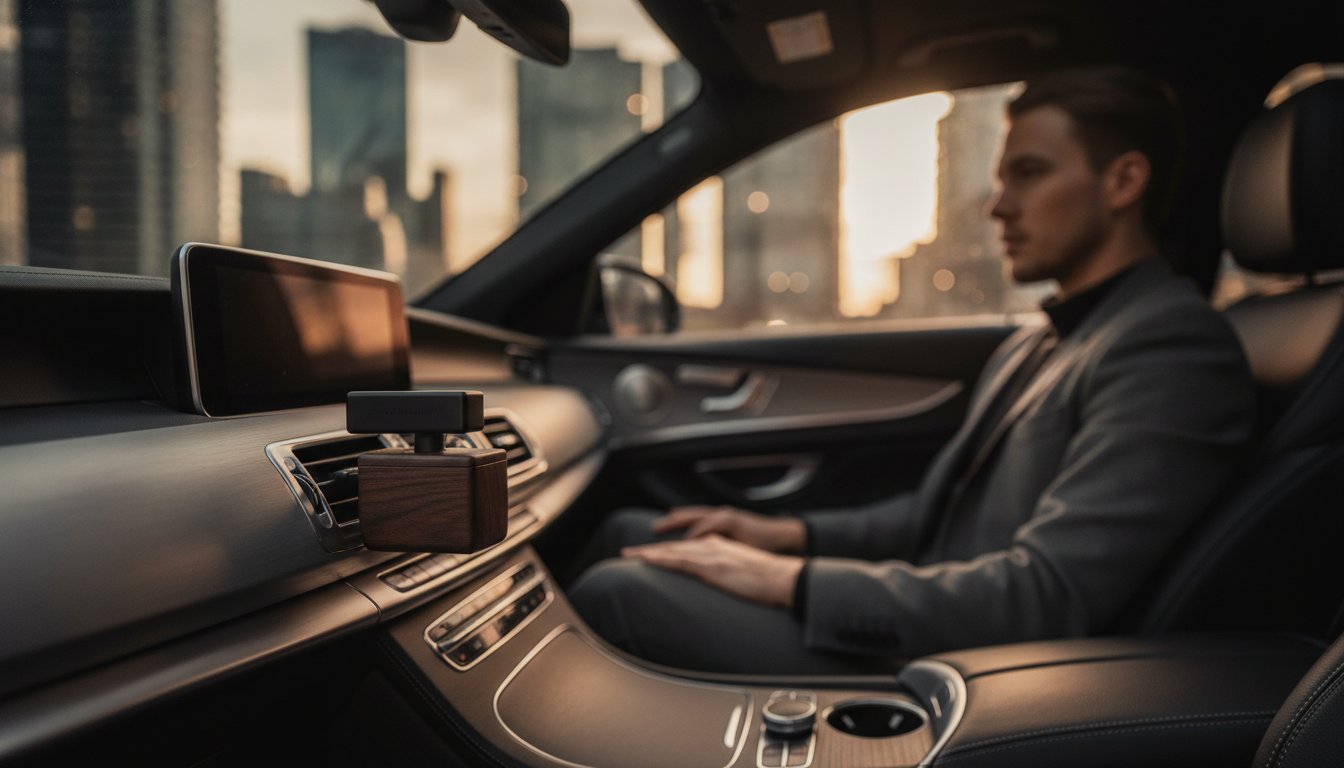
We move away from the basic. Our collection features bold, energetic scents inspired by world-class aftershaves and perfumes. This is the luxury of designer car scents tailored specifically to your lifestyle. Forget the cheap cardboard trees that lose their soul in a week. Our Wood Diffusers and Vent Clips act as the ultimate interior accessories, blending sleek design with elite performance. For those moments when you need an instant reset, our Turbo Can Sprays are the essential emergency tool. One blast delivers a total atmosphere metamorphosis, obliterating stale air and replacing it with a designer sanctuary instantly.
Choose Your Signature Vibe
Your car is an investment. Treat it like one. Matching your interior to a high-status scent is the final step in your maintenance ritual. Our "High-Octane" promise ensures that your fragrance doesn't just start strong; it lasts. It defines the mood for every passenger who steps inside, turning a simple lift into a memorable experience. Don't let your car's story be told by the grit of the road. Take control. Define your vibe. It's time to leave the factory floor behind and embrace a legacy of sensory pleasure. Shop the full Flava collection here and start your evolution today.
Reclaim Your Cabin: The Designer Shift
You've decoded the mechanical warnings. You've neutralised the biological rot. You finally understand exactly what causes bad smell in car interiors; a toxic mix of hardware failure and daily grit. But clearing the air is only the foundation. Your ride deserves a signature profile that commands respect. Don't settle for a sterile cabin when you can define a lifestyle. You've put in the work to strip away the funk; now it's time to build the vibe.
Flava is the ultimate sophisticated upgrade. We bring unapologetically bold British branding to your driver's seat. Our fragrances are inspired by world-class designer scents, offering a high-octane alternative to the factory default. For an instant atmosphere metamorphosis, our high-performance Turbo Can Sprays deliver a boutique feel in seconds. It’s time to move beyond utility and embrace urban luxury. Upgrade your ride with Flava Car Scents today. Your sanctuary is waiting. Stay elite.
Frequently Asked Questions
Is the new car smell actually bad for your health?
How long does a bad smell typically last in a car?
A bad smell will last indefinitely until you remove the physical source. Porous materials like carpets and headliners trap organic molecules deep within their fibres. If you don't deep clean, the scent will reactivate every time the cabin warms up. Understanding what causes bad smell in car interiors is the only way to stop the cycle. Without intervention, a spilled latte or damp coat can haunt your cabin for months.
Can a car air freshener really hide smoke smell?
Cheap supermarket fresheners only mask smoke, creating a nauseating mix of tobacco and fake vanilla. Smoke particles are aggressive and cling to every surface. To kill the vibe of a previous smoker, you must deep clean the headliner and seats first. Once the canvas is reset, use high-performance Turbo Can Sprays to undergo a total atmosphere metamorphosis. It’s about replacing the odour, not just layering over it.
Why does my car smell like rotten eggs when I accelerate?
This is a major mechanical red flag pointing to a failing catalytic converter. When the converter is damaged, it fails to process hydrogen sulfide, resulting in that sharp sulfur stench. It’s a performance-killing issue that compromises your status and your safety. If this happens, stop worrying about what causes bad smell in car upholstery and get to a garage. Fix the hardware before you try to reclaim the vibe.
How can I get the new car smell back in an older vehicle?
You can't truly replicate the factory chemical off-gassing, and you shouldn't want to. The elite move is to graduate from "factory fresh" to a designer-inspired signature scent. Start with a full interior extraction to remove years of grit. Then, introduce high-end Wood Diffusers or Vent Clip Car Air Fresheners. This creates a more sophisticated, boutique atmosphere than any raw plastic scent ever could. It’s an evolution, not a restoration.
Does the sun make car smells stronger or go away faster?
The sun makes odours significantly stronger. Heat excites the molecules trapped in your upholstery, causing them to vibrate and release into the air more rapidly. This is why a car that smells fine in the morning can reek by mid-afternoon. While heat can help "bake out" some VOCs in brand-new cars, it generally just amplifies existing biological stenches. Always park in the shade if you're fighting a persistent funk.
What is the best car air freshener for a persistent bad smell?
Turbo Can Sprays are the undisputed heavyweights for persistent odours. They provide an instant, high-impact blast that transforms the cabin atmosphere immediately. For long-term maintenance, pair them with Wood Diffuser Car Air Fresheners. These provide a consistent, sophisticated scent profile that defines your space. Don't settle for cardboard trees; choose designer-inspired fragrances that reflect your personal flair and stay bold for weeks, not days.
Why does my car smell musty when I turn on the air conditioning?
That musty "damp sock" scent is caused by mould and bacteria thriving on your AC evaporator. Moisture collects in the dark vents, creating a perfect breeding ground for biological invaders. It’s a common failure that ruins your driving experience and compromises your air quality. You need to flush the system with a dedicated vent cleaner and replace your cabin air filter. Once the system is clear, reset the vibe with a fresh fragrance.


Leave a comment
This site is protected by hCaptcha and the hCaptcha Privacy Policy and Terms of Service apply.