That stale, sour, hard-to-place smell in your car does more than ruin the ride. It makes the whole cabin feel neglected, no matter how clean the paint looks or how polished the interior is. If you're wondering how to remove car odor without just covering it up, the fix starts with one simple truth - bad smells stay when the source stays.
A premium-smelling car is not about blasting a stronger fragrance over yesterday's mess. It is about removing what is causing the odor, resetting the interior, and then adding a scent that feels intentional. When you do all three, your car stops smelling like a problem and starts smelling like your space.
How to remove car odor the right way
The biggest mistake people make is treating odor like a surface issue. Most car smells are trapped deeper than that - in fabric, carpet padding, vents, cup holders, trunk liners, and anything porous enough to hold moisture or residue.
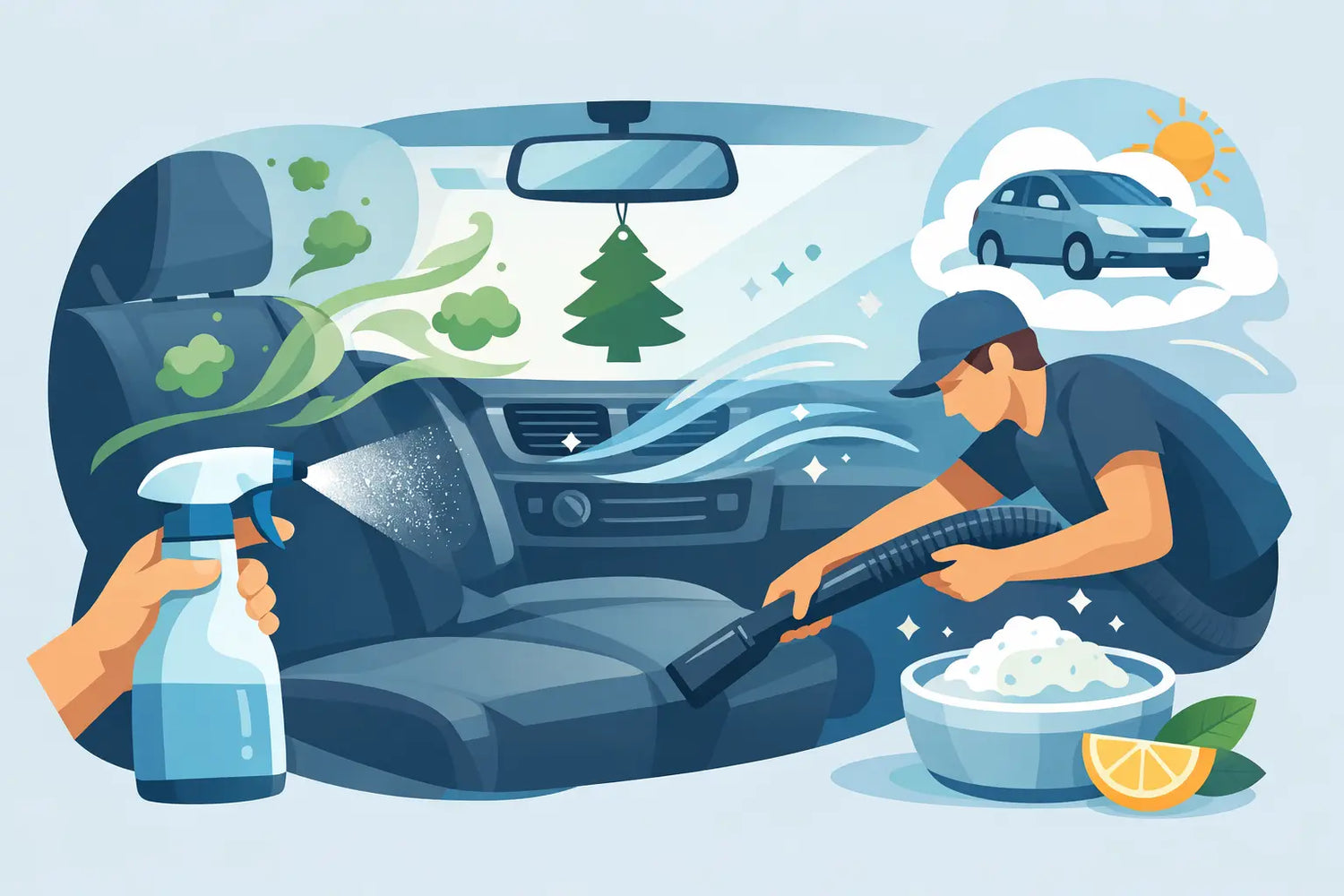
Start by taking everything out of the car. Floor mats, gym bags, food wrappers, water bottles, rideshare accessories, pet blankets, and anything else that has been living in the cabin needs to go. A lot of lingering odor is coming from objects in the car, not the car itself.
Once the interior is empty, vacuum thoroughly. Go beyond the visible areas. Get under the seats, between the console and seat rails, around trunk corners, and inside creases where crumbs and moisture collect. If you skip this part, you leave behind the material that keeps feeding the smell.
After vacuuming, wipe down hard surfaces with an interior-safe cleaner. Focus on the steering wheel, door panels, cup holders, dashboard, center console, and inside storage compartments. Spilled coffee, fast food grease, and everyday skin oils can create a stale scent over time, especially in a closed car that heats up in the sun.
Find the source before you choose the fix
Not every car odor needs the same solution. Some smells are light and recent. Others have soaked into the cabin and need a more aggressive reset. Knowing what kind of odor you are dealing with will save time and keep you from wasting product.
Food and drink odors
These are usually the easiest to identify and some of the most annoying to remove. Milk, coffee, soda, and protein shakes are especially bad because they seep into fabric and turn quickly in heat. If you had a spill, treat that exact spot with an upholstery cleaner and blot instead of soaking it. Too much liquid can push the problem deeper into the padding.
If the odor has spread, clean the surrounding carpet and fabric too. Spills rarely stay in one neat spot.
Smoke odor
Smoke is more stubborn because it clings to nearly every surface. It settles into headliners, seat fabric, carpets, and the HVAC system. In smoke-heavy cars, wiping surfaces alone will not get you there.
You will need to clean fabric surfaces, replace the cabin air filter, and treat the vents. If the smell is severe, an odor-neutralizing treatment or professional ozone service may be worth it. Smoke is one of those cases where it depends on how long the odor has been there. A car smoked in for a week is very different from a car smoked in for three years.
Mold and mildew odors
If your car smells damp, musty, or like a basement after rain, moisture is the issue. Check the carpets, trunk, spare tire well, and under floor mats for wet spots. Leaks around windows, sunroofs, door seals, or clogged AC drains can all create recurring mildew smells.
Clean the affected area, but do not stop there. If moisture keeps getting in, the odor will keep coming back. This is less about fragrance and more about fixing the source.
Pet odor
Pet hair carries odor, but pet accidents are usually the bigger problem. Vacuum first, then use an enzymatic cleaner on any area where there may have been urine or drool buildup. Standard cleaners may improve the smell for a day or two, but they often do not fully break down what is causing it.
Mystery odor
If the smell is hard to identify, check the cabin air filter. A dirty filter can make the whole car smell dusty, stale, or slightly moldy, especially when the AC kicks on. Also look for forgotten items under seats or in the trunk. More than one "mystery odor" turns out to be an old takeout bag or a towel left damp too long.
Clean the fabrics, not just the surfaces
If you want to know how to remove car odor for good, this is where the real difference happens. Hard surfaces may hold some smell, but fabrics usually hold the most.
Use a fabric-safe upholstery cleaner on cloth seats, carpet, and mats. Work in sections, use a brush if needed, and avoid over-saturating the material. You want it clean, not drenched. Then let the car dry fully with the doors open if possible.
Leather needs a different approach. It can absorb odor, but harsh cleaners can damage the finish. Use a leather-safe cleaner, then follow with a conditioner if the product calls for it. Real leather should smell refined, not like old moisture and trapped smoke.
The headliner matters too. People forget it because it looks clean, but it can hold smoke and stale air. Be gentle here. Light cleaning only. Too much moisture can loosen the adhesive.
Don’t ignore the vents
If your car smells fine until the AC starts, the ventilation system is holding odor. Replace the cabin air filter first. It is one of the simplest upgrades with one of the biggest payoffs.
After that, clean the vent openings and consider using an HVAC odor treatment made for vehicles. Run the fan for several minutes after cleaning to help dry things out. If you regularly shut off the car immediately after blasting cold AC, moisture can linger in the system. Letting the fan run briefly before parking can help reduce that damp smell over time.
When odor removers help and when they don’t
Odor absorbers and neutralizers can be useful, but they work best after cleaning, not instead of cleaning. If crumbs, spills, smoke residue, or mildew are still in the car, no odor product is going to perform like magic.
Baking soda can help with light fabric odor. Charcoal bags can reduce stale air in parked cars. Dedicated odor eliminators can improve tougher cases. But if the smell is coming from soaked carpet padding or an active leak, those are temporary moves.
This is the trade-off. Cover-ups are fast, but source removal lasts.
Add fragrance after the reset
Once the odor is gone or under control, fragrance becomes the finishing touch. This is where the car shifts from simply clean to elevated.
The best car scent does not need to hit you aggressively the second you open the door. It should feel polished, controlled, and premium - more like a designer-inspired atmosphere than a discount-store air freshener. That matters if you care about the way your car presents, whether you drive for yourself, for passengers, or for work.
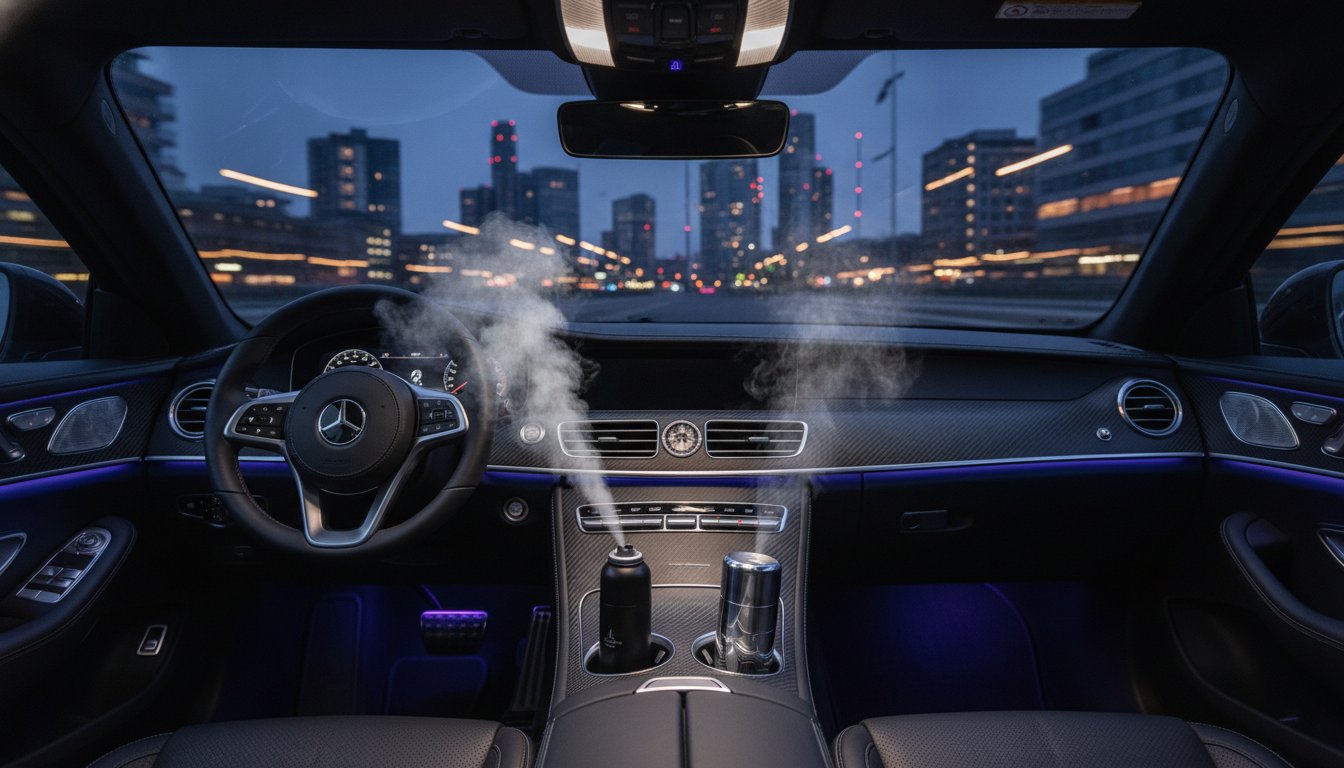
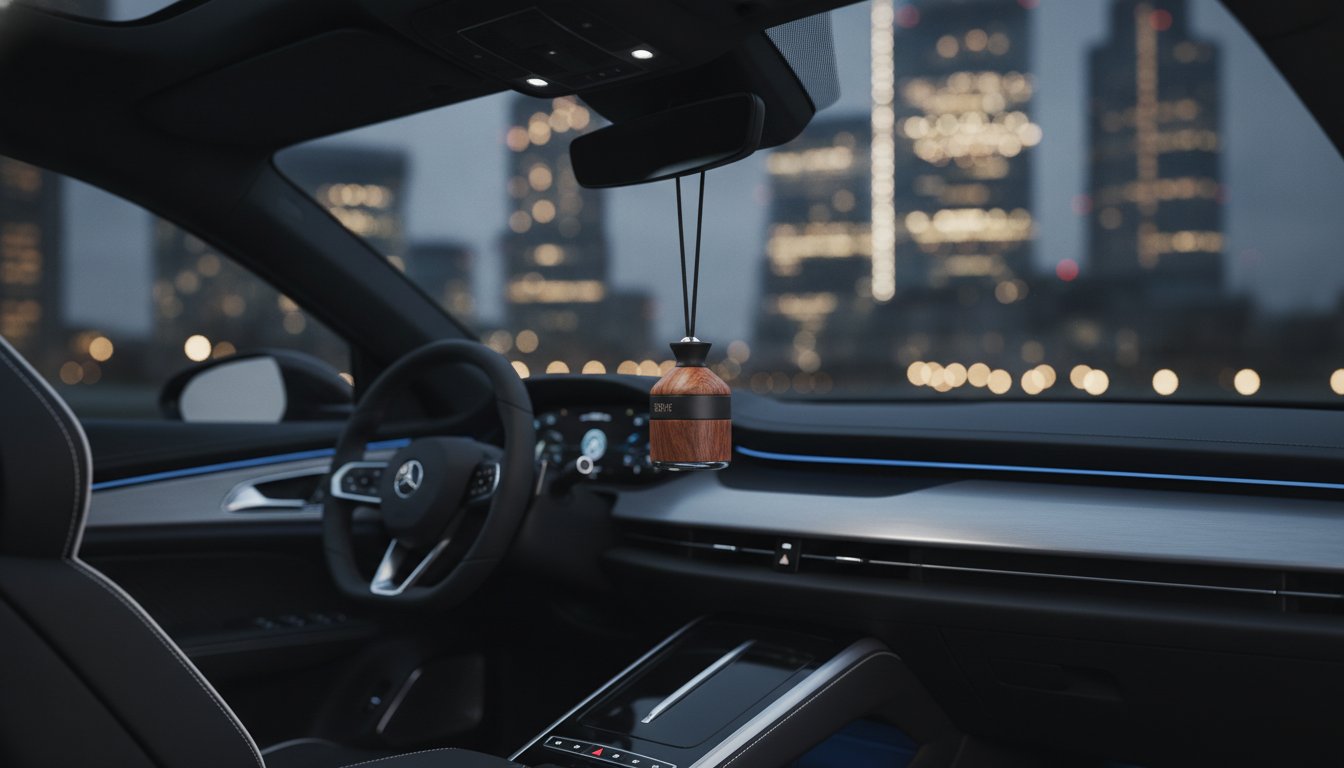
Different fragrance formats create different experiences. Vent clips offer steady diffusion and easy placement. Wood diffusers bring a more styled look with a subtle release. Scent tins work well in smaller spaces or under seats. Sprays give you an instant refresh when you want the cabin to feel reset before a drive.
If you use fragrance before removing odor, you risk mixing scents and making the problem worse. If you use fragrance after cleaning, the result feels intentional. That is the difference between masking and upgrading.
How to keep car odor from coming back
A fresh-smelling car is easier to maintain than to rescue. Once you have done the hard part, small habits keep the cabin where it should be.
Remove trash daily or at least every few drives. Clean spills immediately. Avoid leaving damp towels, gym gear, or food containers in the car overnight. Shake out mats regularly and vacuum before buildup gets serious. If you transport pets often, keep a designated blanket or seat cover and wash it often.
It also helps to rotate your scent setup instead of waiting until the cabin smells flat. A premium fragrance should support a clean interior, not fight with it. For drivers who care about the full atmosphere of the cabin, that upkeep is part of the experience.
When to call a professional
Some odors are too deep for a quick DIY fix. If your car has flood damage, severe smoke saturation, repeated mildew from a hidden leak, or a spill that soaked into the floor padding, professional detailing may be the smarter move.
That does not mean you failed. It means the odor has moved beyond surface-level care. Sometimes the most efficient path to a truly fresh cabin is a deeper reset, then ongoing maintenance with a better fragrance routine.
A clean interior changes how every drive feels. Once the odor is gone, even a short commute feels sharper, more refined, and a lot more like your standard.

Leave a comment
This site is protected by hCaptcha and the hCaptcha Privacy Policy and Terms of Service apply.