

Table of Contents
- Step 1: Deep Clean Your Car's Interior to Remove Odour Sources
- Step 2: How to Remove Smoke Smell from Car Interiors
- Step 3: The Benefits of Changing Cabin Air Filter for Fresher Air
- Step 4: Choose the Best Car Air Freshener for Long Lasting Scent
- Step 5: Maintain Air Circulation and Prevent Moisture Build-Up
- Step 6: Seasonal Maintenance for Pet Odours, Dander, and Mold
- Frequently Asked Questions
Last Updated: September 28, 2026
Step 1: Deep Clean Your Car's Interior to Remove Odour Sources
Learning how to keep car smelling fresh longer starts with removing the smell's source, not covering it up. Odours cling to fabric, carpet and hidden crevices, so a deep clean comes first, masking a stale smell never works for long.
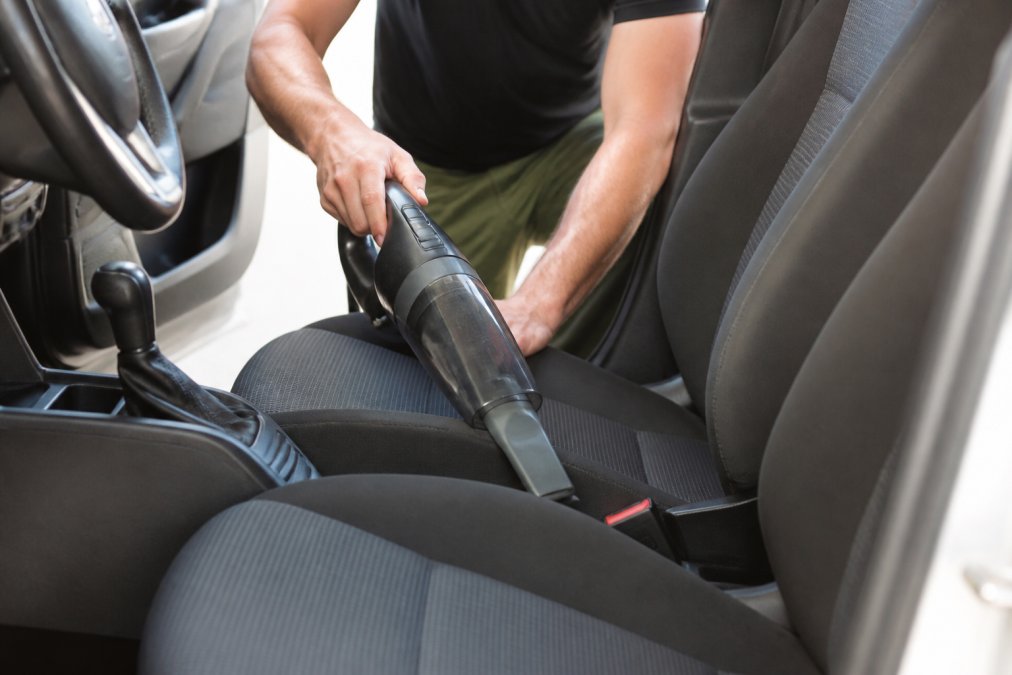
Start with a full vacuum. Use a crevice tool on the seats, under them, and along the door seals. Then treat the upholstery.
Vacuuming and Upholstery Cleaning
Vacuuming lifts the dirt, crumbs and pet hair that trap smells:
- Vacuum seats, carpets and boot lining
- Use a brush attachment on fabric seats
- Reach under seats and into seat rails
- Empty the canister afterwards
For stains and set-in smells, carpet shampooing or an enzymatic cleaner breaks down the mess rather than hiding it. The common mistake is soaking the fabric, too much moisture feeds mold and mildew. Use minimal water and dry the interior fully with the windows open.
Using Baking Soda and Activated Charcoal for Odour Absorption
Baking soda and activated charcoal absorb odours instead of covering them. Both are cheap, safe and easy to use.
Sprinkle baking soda over dry carpets and seats. Leave it for several hours, then vacuum it up. The powder pulls moisture and smells from the fabric.
Step 2: How to Remove Smoke Smell from Car Interiors
Smoke is the hardest smell to shift because it soaks into every soft surface. To remove smoke smell from car interiors, clean the residue, not just the air.
- Wash all hard surfaces with a mild cleaner
- Clean the inside of the windows, where tar builds up
- Shampoo the seats, carpets and headlining
- Replace the cabin air filter, which traps smoke particles
- Leave bowls of baking soda or charcoal out for a week
Step 3: The Benefits of Changing Cabin Air Filter for Fresher Air
One of the benefits of changing cabin air filter is simple: it stops stale, dusty air blowing back into the cabin by catching dust, pollen, exhaust particles and the airborne residue that carries odour.
How to Check and Replace Your Cabin Air Filter
On most cars the cabin air filter sits behind the glovebox; on others it is under the passenger-side dash or beneath the bonnet near the wiper cowl. Your owner's handbook names the location, check it before pulling trim.
A typical glovebox replacement follows the same pattern:
- Empty the glovebox and press in the side walls so the box drops past its stops.
- Release the damper arm or retaining clip if one is fitted.
- Unclip the filter housing cover, usually a single tab or a few screws.
- Slide the old filter out and note which way the airflow arrow points.
- Vacuum the housing gently to remove leaves, grit and insect debris.
- Fit the new filter with the airflow arrow pointing towards the cabin.
- Refit the cover, damper and glovebox, then run the fans on full for a minute.
How Often to Replace Your Cabin Air Filter
Most makers suggest a new cabin air filter every 12,000 to 15,000 miles, or once a year, whichever comes first. Replace it sooner if you:
Flava Scent Tin - New New Car →
- Drive in dusty or rural areas, or near building sites
- Carry pets regularly
- Park under trees that drop pollen and leaf litter
- Notice a musty smell when the fans start, or weaker airflow than before
Why This Matters for Scent Longevity
Replacing this filter ensures that the air circulating through your cabin remains clean, a principle that applies equally to improving indoor scents within your living space.
Step 4: Choose the Best Car Air Freshener for Long Lasting Scent
The best car air freshener for long lasting scent matches how you drive and how much control you want. Here is how the main types compare.
Type |
How It Works |
Best For |
Scent Longevity |
|---|---|---|---|
Scent tin |
Passive release from a tin |
Cup holder or under seat |
Up to 60 days |
Wood diffuser |
Oil soaks a wood cap |
Rear-view mirror |
Re-soakable |
Vent clip |
Wick releases into airflow |
Air vents |
Steady with fans on |
Scent Tins, Wood Diffusers, and Vent Clips Compared
Scent tins sit in a cup holder or under a seat and release scent on their own. The Flava Scent Tin in New Car recreates that showroom smell and lasts up to 60 days, with strength controlled by how far you open the lid.
Step 5: Maintain Air Circulation and Prevent Moisture Build-Up
Stagnant air and damp are the two quiet causes of a musty car. Good air circulation and low moisture keep smells from forming, and unlike a fragrance, they remove the conditions mould needs to grow.
Run the Ventilation System Properly
Run the ventilation system now and then, even in winter, to move air through the cabin and dry the vents. Two habits matter most:
- Switch to fresh-air intake rather than recirculation for the last few minutes of a journey. Recirculation traps humidity inside the cabin.
- Run the air conditioning briefly in winter. The air-con dehumidifies as it cools, so it dries the cabin even when you want heat. Many drivers avoid it in cold weather and wonder why the windows and carpets stay damp.
Dry the Interior Before It Becomes a Problem
Damp carpets, wet mats and leaks feed mould and mildew, which smell sour. Deal with moisture the day it appears:
- Shake out and dry rubber mats away from the car rather than leaving them stacked inside.
- Blot spills immediately with a microfibre cloth, then leave the area open to air.
- If carpet gets soaked, use a wet-and-dry vacuum rather than pressing more water in, then run the heater and air conditioning together with the windows cracked to drive out vapour.
- Check the boot, spare-wheel well and door seals after heavy rain, these are common hidden collection points.
- Clear blocked sunroof drains and scuttle drains, which overflow into the footwells when clogged.
Seasonal Moisture Routine
Smell management changes with the seasons, and this is where most advice falls short.
Vent Cleaning and the Filter Link
Step 6: Seasonal Maintenance for Pet Odours, Dander, and Mold
Each season brings its own smell problems. A short seasonal routine keeps the cabin fresh all year.
Seasonal checklist:
- Vacuum seats, carpets and boot
- Check and replace the cabin air filter
- Dry mats and carpets fully
- Run the ventilation system
- Refresh scent with a tin or diffuser
Frequently Asked Questions
How do I keep my car smelling good all the time?
Consistent cleaning and maintenance are key. Vacuum carpets and seats weekly, use baking soda or activated charcoal to absorb lingering odours, and replace your cabin air filter every 12,000 to 15,000 miles or annually. For ongoing freshness, choose a long-lasting car air freshener like a scent tin or wood diffuser that releases fragrance gradually rather than fading within days.
How can I make my car smell fresh without masking odours?
Start by removing the source of the smell. Deep clean upholstery with an enzymatic cleaner, wipe down hard surfaces, and let the interior air out. Then introduce a product designed for odour elimination, not just fragrance. Flava Car Scents' New Car Scent Tin uses odour eliminator technology and lasts up to 60 days, so it tackles existing smells while adding a fresh, showroom-inspired scent.
How often should I change my cabin air filter to improve car smell?
Most manufacturers recommend replacing your cabin air filter every 12,000 to 15,000 miles, or once a year. If you drive in dusty areas, have pets, or notice musty odours when you turn on the air conditioning, change it more often. A clogged filter traps mould, mildew, and dander, which circulate through your vents and make the cabin smell stale.
What is the best car air freshener for long lasting scent?
The best option depends on your preference. Scent tins like Flava's New Car Tin offer up to 60 days of continuous fragrance and fit neatly in a cup holder. Wood diffusers provide a stylish, re-soakable design that releases scent gradually. Vent clips distribute fragrance through your air conditioning system for even coverage. All three outperform traditional hanging fresheners that fade within a week.


Leave a comment
This site is protected by hCaptcha and the hCaptcha Privacy Policy and Terms of Service apply.