Your car is a statement of your lifestyle, but that stale cigarette stench is currently holding your reputation hostage. You've tried the cheap supermarket sprays. You've left the windows down for days. Yet, that stubborn, third-hand smoke residue remains embedded in your upholstery like a bad memory. Learning how to get smoke smell out of car isn't about masking the scent with a cardboard tree; it's about a total atmospheric takeover. If you're tired of the embarrassment when giving lifts or watching your vehicle's resale value evaporate, you need a tactical strike that actually works.
We know the frustration of a scent that feels baked into the very fibers of your seats. It's distracting and unprofessional. This guide promises to help you nuke that lingering odour and reclaim your car’s elite atmosphere with our high-octane restoration strategy. We're moving past basic cleaning into the 2026 standard of vehicle hygiene. We will preview the essential steps of deep extraction, the science of ozone neutralization, and the critical cabin filter swap. Prepare to transform your interior from a liability into a premium, designer-inspired sanctuary that radiates confidence and pure urban sophistication.
Key Takeaways
- Identify the enemy. Understand how third-hand smoke creates a persistent film that requires a deep-tissue tactical strike to eliminate.
- Execute a top-down purge. Use HEPA vacuuming and targeted cleaning to physically strip smoke residue from your headliner and upholstery.
- Neutralize the core. Master the professional techniques on how to get smoke smell out of car by choosing between safe ozone treatments and heavy-duty DIY hacks.
- Redefining the vibe. Move beyond masking scents to a clean slate mindset that allows designer-inspired fragrances to dominate your cabin.
- Maintain peak freshness. Protect your investment with the 30-day cabin filter rule and tactical ventilation habits for a permanent elite atmosphere.
Why Smoke Smell Lingers: The Science of the "Third-Hand" Odour
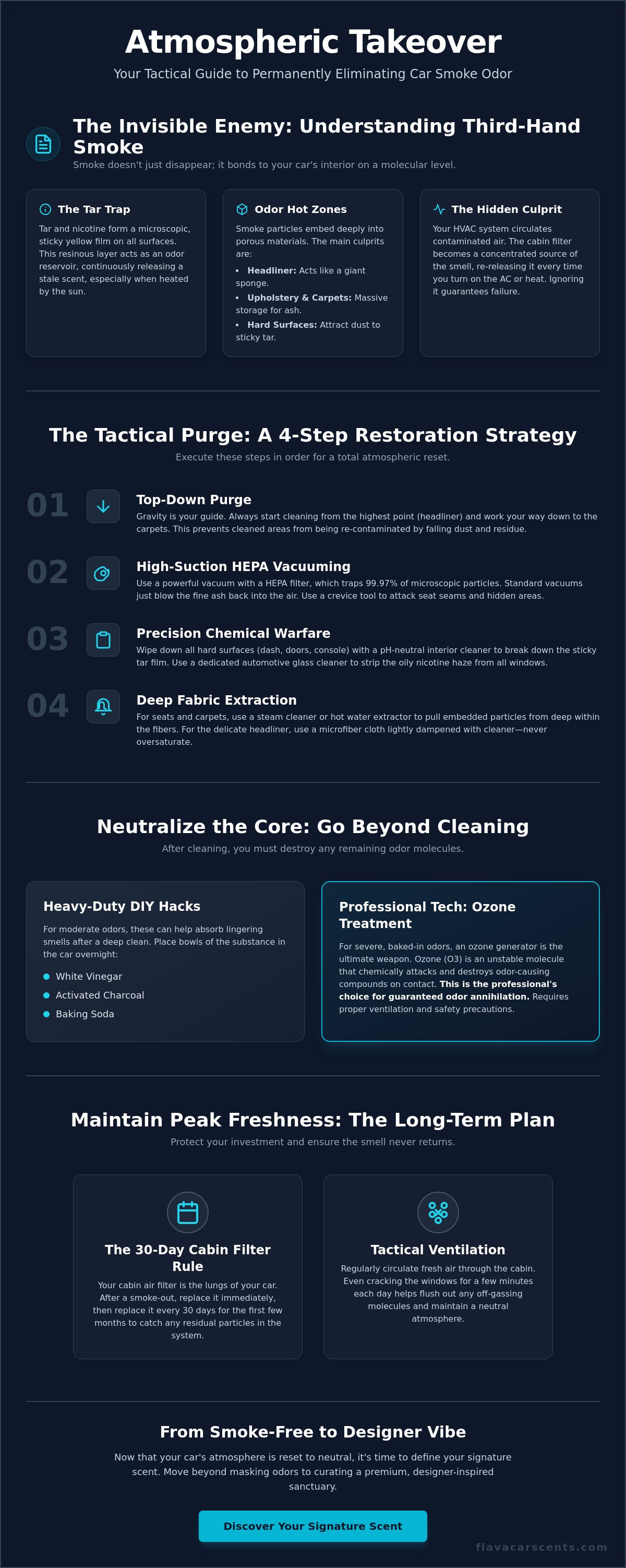
Smoke is a ghost that refuses to leave. It doesn't just float in the air; it bonds to your interior on a molecular level. This is the reality of The Science of the "Third-Hand" Odour. When you light up, you are launching a chemical assault of tar and nicotine that settles as a microscopic, yellow film. This isn't a surface issue. It's a deep-tissue problem. These particles embed themselves into every porous surface, creating a persistent olfactory challenge that cheap sprays simply cannot touch. To truly master how to get smoke smell out of car, you have to understand the chemistry of the cabin.
The "Hot Zones" are where the battle is won or lost. Smoke rises. It hits the headliner and stays there, turning the fabric into a giant sponge for toxins. Then there’s the upholstery and the carpets. These areas act as massive storage units for ash and chemicals. Even if the car looks clean, heat and humidity reactivate dormant smoke molecules months later. On a hot summer day, that "clean" car suddenly smells like an old ashtray again. This off-gassing process is why standard cleaning feels like a temporary fix rather than a permanent solution.
The Tar Trap: Why Surfaces Feel Sticky
Tar is the ultimate adhesive. On your dashboard, door cards, and steering wheel, it creates a tacky layer that acts as a magnet for urban dust and body oils. This resin is a complex mix of over 7,000 chemicals that hardens into a stubborn glaze. It’s the reason your windows get that hazy, oily film that’s impossible to wipe away with just water. Resin buildup is a primary odour reservoir that continuously releases a stale scent into your environment. You aren't just dealing with a smell; you're dealing with a physical layer of toxic grime.
The Invisible Enemy: HVAC and Cabin Filters
The HVAC system is the hidden culprit in your car’s atmosphere. Every time you blast the AC, you are cycling air through a contaminated system. Smoke particles are pulled into the vents and settle deep within the evaporator and ductwork. The cabin air filter acts as a concentrated source of stink, trapping ash and tar in its pleats. Surface cleaning alone always fails if the vents are ignored. This is why knowing how to get smoke smell out of car starts with a full-scale assault on the very air you breathe. You need a clean path for the air to flow, or the ghost of that cigarette will return the moment you turn the key.
The Tactical Clean: Stripping the Interior of Smoke Residue
You can't just spray and pray. If you want to master how to get smoke smell out of car, you need a coordinated strike. The "Top-Down" rule is your new religion. Gravity is a snitch; if you start with the carpets, ash and microscopic toxins from the ceiling will simply fall onto your clean surfaces later. Start at the highest point of the cabin and work your way to the floor. This ensures every liberated particle is eventually captured and removed rather than just relocated.
Tactical vacuuming is the next phase. Forget the weak handheld units. You need a high-suction vacuum equipped with a HEPA filter. Standard filters often exhaust fine ash particles back into the cabin air. A HEPA filter traps 99.97% of particles, ensuring the microscopic debris that fuels the stench is actually gone. Use the crevice tool for the seams of the seats and the areas between the center console and the floor. This is where the heaviest concentration of ash hides, waiting to be reactivated by your heater.
Upholstery and Headliner Extraction
The headliner is a massive sponge for smoke. It requires a delicate touch. Never oversaturate this area with liquid. Too much moisture will dissolve the glue, causing the fabric to sag and ruining your car’s silhouette. Instead, use a microfibre cloth lightly dampened with an interior cleaner. For the seats, steam cleaning is the elite choice. It uses high heat to melt the tar and pull it to the surface for extraction. Understanding the difficulty of this process is key to Maintaining Peak Freshness over the long term. Once you've cleaned, perform the sniff test on the carpets. If a spot still reeks, hit it again. This is about total elimination, not just a quick wipe.
Hard Surface Decontamination
Every hard surface is a reservoir for resin. Scrub the dashboard, the steering wheel, and the gear stick. These high-touch zones are often the stickiest. Don't overlook the seatbelts. They sit right next to your face and absorb smoke every single time you drive. Pull them all the way out, clean them with a fabric-safe solution, and let them dry completely before retracting. Finally, purge the nooks. Empty the cup holders, scrub the ash trays, and wipe out the door pockets. Once the physical residue is gone, you've earned the right to upgrade your atmosphere with designer-inspired car scents that reflect your style.
Neutralising the Core: DIY Hacks vs. Professional Tech
Physical scrubbing was just the warm-up. Now, we enter the molecular battlefield. If you want to master how to get smoke smell out of car interiors, you have to neutralise the invisible particles that have bonded to your cabin. We aren't just cleaning surfaces anymore. We are redefining the very air you breathe. This phase is about breaking down the chemical ghost of tobacco that lingers long after the ash is gone. You have two paths: the strategic DIY approach or the high-voltage industrial strike.
Enzyme-based cleaners represent the elite middle ground. These aren't your standard soapy detergents. They contain live bacteria cultures that literally digest the organic compounds and resins left behind by smoke. It’s a biological search-and-destroy mission. While chemical cleaners might leave a scent behind, enzymes leave nothing but a neutral slate. This is essential because any lingering residue will eventually reactivate, especially in the confined, high-heat environment of a parked vehicle.
Natural Odour Absorbers: Do They Actually Work?
The "Kitchen Cabinet" methods are your first line of atmospheric defence. Baking soda is the classic overnight tactical soak. Sprinkle it liberally over carpets and floor mats, let it sit for twelve hours, and vacuum it out. It’s a base that neutralises acidic smoke odours. For a more passive approach, white vinegar bowls can help with atmospheric neutralisation of light, lingering scents. Just don't drive with them in the footwell. If you want a silent, long-term odour hunter, activated charcoal bags are the superior choice. They use porous carbon to trap toxins 24/7. However, as noted in The Science of Third-Hand Smoke in Vehicles, these natural fixes often struggle against the deep-set resins that have already permeated the foam of your seats.
The Ozone Strike: High-Voltage Odour Removal
When the smell is baked in, you need the "Nuke" option: the Ozone Generator. This tech uses high voltage to turn oxygen (O2) into ozone (O3). This extra oxygen atom is highly reactive. It oxidises smoke molecules on contact, destroying their chemical structure forever. It is the most effective way to learn how to get smoke smell out of car vents and headliners. But power comes with risk. You must follow the safety rules. No humans, pets, or plants can be inside during the cycle. More importantly, don't overdo it. Excessive ozone exposure can degrade the rubber seals and delicate plastics of a modern car interior. Once the cycle is done, the two-hour airing window is mandatory. Open every door and let the cabin breathe before you step back into your redefined space.
If these tactical strikes fail, it’s time to call in the professional detailers. They utilise thermal foggers that mimic the path of smoke, reaching deep into the HVAC system where DIY tools can't touch. It’s an investment in your car’s legacy and your personal poise. Whether you go DIY or pro, the goal remains the same: a neutral, premium environment that serves as the perfect canvas for a designer-inspired atmosphere.
Redefining the Atmosphere: From Smoke-Free to Designer Vibe
You’ve stripped the residue. You’ve neutralised the core. Now comes the transformation. Most drivers make the fatal mistake of hanging a cheap, supermarket air freshener over a half-dead smoke smell. It doesn't work. It creates a nauseating "clover and cigarette" hybrid that screams neglect. To truly master how to get smoke smell out of car interiors, you need a clean slate mindset. You don't mask. You redefine. You are no longer driving a "smoker's car." You are piloting a premium environment that commands respect.
This is where utility meets high-end fashion. Once the biological and chemical ghosts are gone, your cabin is a neutral canvas. This is your opportunity to inject personality and urban sophistication into your ride. We’re moving away from clinical cleaning and into the world of high-octane maintenance. It’s about creating a specific mood that matches your energy and your personal brand.
The Flava Formula: Layering Your Scent
Think of your car’s scent like a signature cologne. You need layers. Start with a consistent base. Choosing the right car air freshener is the foundation of your new atmosphere. It provides that constant, subtle background note that keeps the cabin feeling intentional 24/7. From there, you escalate the experience. Use designer car scents to align your vehicle with your personal aesthetic. Whether you lean toward sharp, woody notes or fresh, citrus energy, consistency is your best weapon. Regular fragrance updates prevent "rebound" odours from taking hold in the fabric, ensuring the past stays in the past.
Turbo Can Sprays: The Professional Finisher
For those who demand immediate impact, high-pressure sprays are the elite choice. These aren't your standard aerosols. They are high-octane finishers designed for total atmospheric metamorphosis. Apply the spray directly into the footwells while the fans are on low. This forces the fragrance into the ventilation system, ensuring every corner of the cabin is touched by the new scent. It creates an "Exclusive Event" feel every time you open the door. It’s the difference between a car that’s simply "clean" and a car that’s a lifestyle statement. It tells your passengers that you value quality and attention to detail.
Upgrade your drive with our elite scent collections and reclaim your car's atmosphere today.
Maintaining Peak Freshness: The Long-Term Tactical Plan
The battle is won, but the war for your car’s atmosphere never truly ends. You've executed the purge. Now, you must defend the territory. Maintaining a neutral, premium environment requires a shift from deep cleaning to tactical maintenance. This isn't just about avoiding a relapse. It's about cementing your status as a leader in vehicle aesthetics. The most critical step in your long-term defense is the 30-day cabin filter rule. Even after you've mastered how to get smoke smell out of car surfaces, a saturated filter will continue to bleed stale particles into your vents. Swap it out. Keep the air path clear.
Airflow is your ally. Develop a ventilation strategy. When parking in secure areas, crack the windows to let the cabin breathe. During drives, use the fresh air setting rather than recirculation to flush out any microscopic "stray" odours before they settle. If a passenger lights up nearby or you drive through a smoggy urban zone, execute a quick-strike maintenance. Don't wait for the scent to bond. Deal with it instantly to keep your interior’s legacy intact. This proactive mindset is what separates an elite cabin from a generic utility vehicle.
The Daily Vibe Check
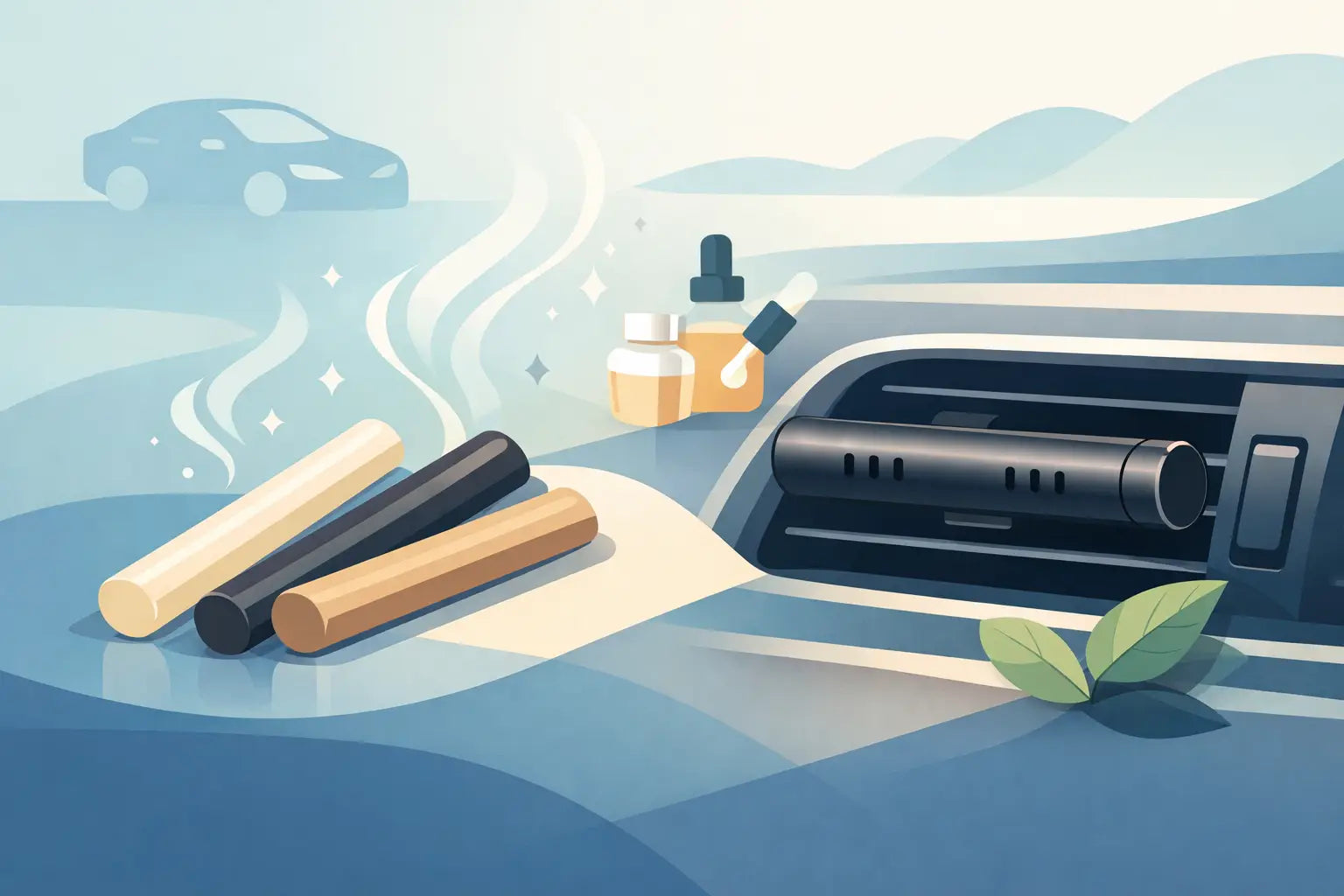
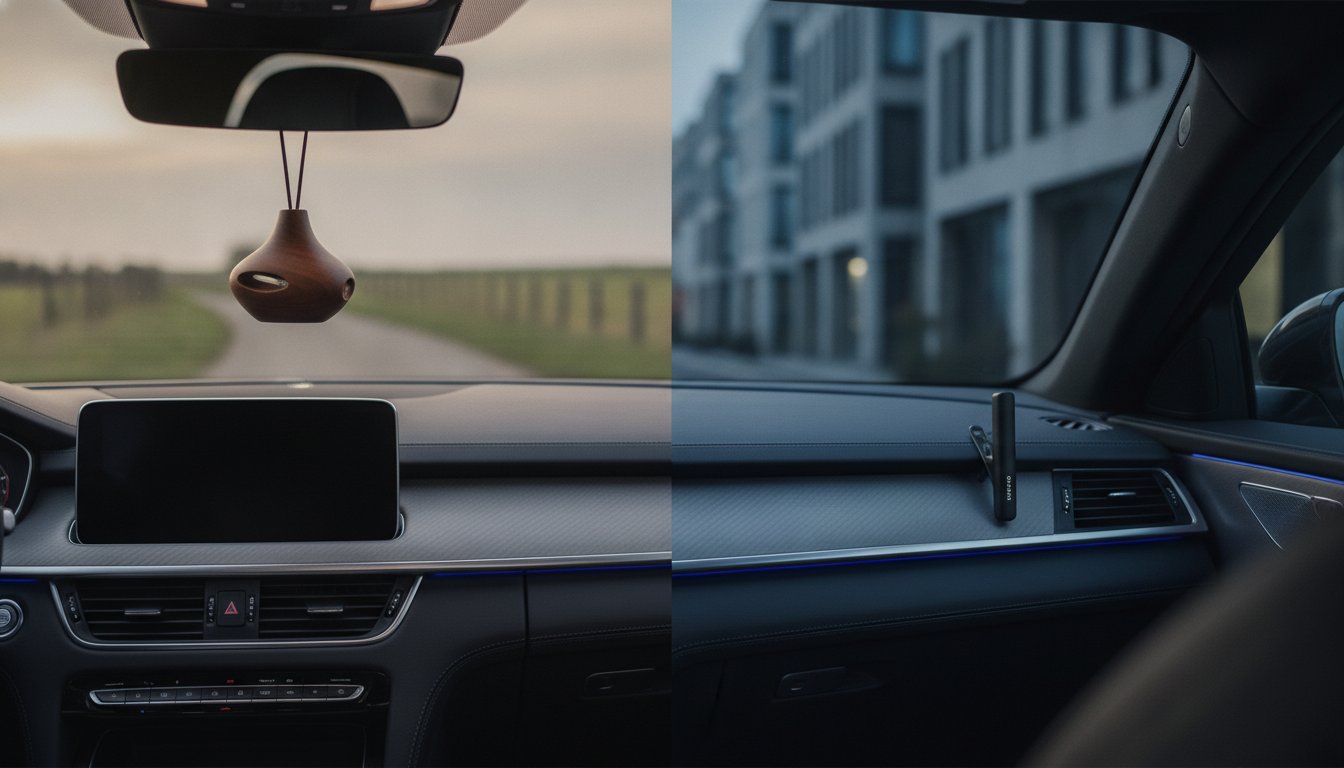
Your car’s identity is defined by its daily scent profile. Move away from temporary cardboard fixes and upgrade your hardware to reflect your personal flair. Using vent clip car air fresheners ensures a constant, high-status fragrance delivery every time the fans kick in. For a more sophisticated, slow-release alternative, wood diffusers offer a refined aesthetic that blends seamlessly with premium interiors. These aren't just utilities; they are essential fashion statements. Always keep a Turbo Can Spray in the glovebox. It’s your emergency scent boost for those moments when you need an immediate atmospheric metamorphosis before a high-stakes meeting or an exclusive event.
Reclaiming Your Resale Value
Scent is the first thing a potential buyer notices. It hits them before they even see the mileage or the paintwork. A fresh-smelling car adds hundreds to its market appeal by suggesting a history of meticulous care and urban poise. The "New Car Smell" psychology is powerful. It creates an emotional bond of trust and quality. By following this tactical guide on how to get smoke smell out of car, you are protecting your financial investment. You’ve successfully moved your vehicle from a liability to a high-demand asset. For the final touch on how to add a nice smell to the car permanently, focus on a signature fragrance that defines your space. Your car is now more than a vehicle. It’s an elite, designer-inspired sanctuary that radiates confidence.
Own the Atmosphere: Your Final Strike
The ghost of tobacco is gone. You’ve moved from basic survival to total environmental dominance. By understanding the science of third-hand smoke and executing a top-down purge, you’ve mastered how to get smoke smell out of car interiors once and for all. It wasn't just about a quick wipe. It was a tactical metamorphosis. Now, the neutral slate of your cabin is ready for its elite upgrade. You've earned a space that reflects your ambition and urban poise.
Don't settle for mediocre scents that fade by the next junction. You deserve a signature vibe that mirrors your personal style. As UK-based luxury car fragrance specialists, we define the standard for high-octane maintenance. Our high-pressure Turbo Cans are engineered for instant impact. They deliver fragrances inspired by world-class designer labels directly into your car’s DNA. It’s time to move beyond utility and embrace an atmosphere of pure confidence. Every journey should feel like an exclusive event.
Nuke the odour and upgrade your vibe with Flava Turbo Can Sprays. Your car is no longer a liability. It’s a designer-inspired sanctuary. Drive with pride. Own the road.
Frequently Asked Questions
Can you actually get smoke smell out of a car permanently?
Yes, permanent removal is possible through a coordinated strike of physical extraction and molecular neutralisation. You must strip the sticky tar film from every surface and then use tools like ozone or enzymes to destroy the remaining particles. If you only use surface sprays, the smell will return during heat or humidity. Mastering how to get smoke smell out of car for good requires reaching the deep-set resins in the headliner and foam.
How much does it cost to professionally remove smoke smell from a car?
Professional interior restoration for smoke damage typically starts around $289 and can exceed $700 depending on vehicle size and odour severity. This often involves a full interior detail as a foundation for odour removal. Specialized ozone treatment is frequently an add-on service, usually priced between $50 and $150. These professional rates reflect the industrial-grade equipment and chemical expertise required to purge toxic residues.
Will changing the cabin air filter help with the cigarette odour?
Replacing the cabin air filter is a critical, non-negotiable step in the restoration process. These filters trap ash particles and smoke chemicals, becoming a concentrated source of stench every time you use the AC. Expect to pay an average of $50 for the part and installation. Without this swap, the smell will immediately recycle through your vents, sabotaging your cleaning efforts and ruining your car’s elite atmosphere.
Is an ozone generator safe for my car’s interior leather and plastic?
Ozone generators are safe when used for specific, controlled periods, but they carry risks for delicate materials. High concentrations of O3 can degrade rubber seals, gaskets, and certain soft plastics over time. It is vital to remove all living things and follow strict timing rules. Always air the car out for at least two hours after a cycle to ensure the atmosphere is safe and the materials remain intact.
How long does it take to get the smoke smell out of a car?
A complete tactical purge usually takes 24 hours to execute correctly. Physical cleaning of all surfaces and upholstery takes several hours, followed by a 30 to 60-minute ozone cycle. The most overlooked phase is the mandatory two-hour airing-out window. If the odour is severe, you may need multiple rounds of neutralisation to ensure the scent is gone permanently and your interior feels premium again.
Does vinegar really remove smoke smell or just mask it?
White vinegar acts as a natural neutraliser for alkaline smoke odours, but it is not a standalone cure. It helps balance the pH of the air and light surface residues. However, vinegar cannot penetrate the thick tar and nicotine film embedded in seat foam. Use it as a secondary atmospheric tool rather than a replacement for deep-tissue extraction and professional-grade neutralisers that actually destroy smoke molecules.
What is the best car air freshener for smokers?
The elite choice for post-smoke recovery is a high-pressure Turbo Can Spray paired with designer-inspired fragrances. These products don't just layer over the stink; they redefine the cabin’s identity with premium notes. After learning how to get smoke smell out of car surfaces, use a consistent vent clip or wood diffuser to maintain an aspirational vibe that commands respect and ensures a neutral, sophisticated environment.
Can I use a home steam cleaner on my car’s headliner?
Using a home steam cleaner on a headliner is extremely risky and generally discouraged. Excessive heat and moisture can dissolve the specialised adhesives holding the fabric to the roof, leading to permanent sagging. For the headliner, stick to microfibre cloths dampened with pH-neutral cleaners. Save the high-heat steam for floor carpets and durable seat fabrics where glue failure isn't a threat to your car’s silhouette.

Leave a comment
This site is protected by hCaptcha and the hCaptcha Privacy Policy and Terms of Service apply.