
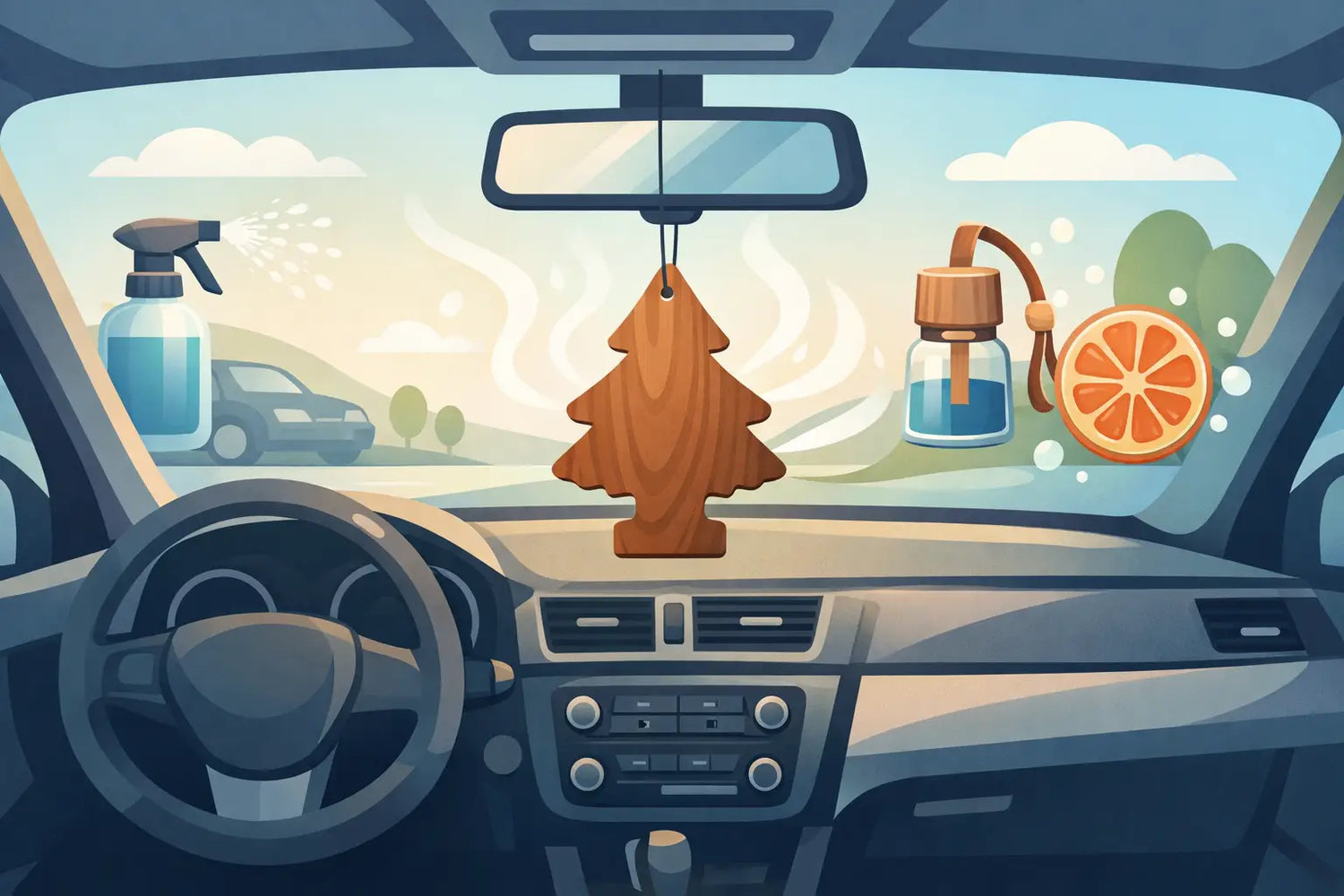
That first moment when you open the car door says a lot. A clean, premium scent makes the cabin feel finished. Something flat, chemical-heavy, or overpowering does the opposite. So if you’ve ever wondered how do car air fresheners work, the short answer is simple: they release fragrance molecules into the air over time. The part that matters is how they release them, how fast they do it, and how well that method fits your car and your routine.
How do car air fresheners work in a real car?
Car air fresheners work by dispersing volatile fragrance compounds into the cabin air. Those compounds evaporate from a scented material or liquid, move through the air, and reach your nose. Once that happens, your brain registers the scent and starts building an impression of the space. That’s why the right fragrance can make a car feel sharper, cleaner, warmer, or more luxurious within seconds.
In practice, a car is a small, changing environment. Temperature shifts, sunlight, ventilation, humidity, and how often you drive all affect scent performance. A freshener clipped onto an air vent may throw scent quickly when the AC is running, while a hanging card may release more slowly and steadily whether the fan is on or off. Neither system is automatically better. It depends on how strong you want the scent and how much control you want over it.
There’s another point people often miss. Air fresheners don’t always remove bad odors at the source. Many mainly add fragrance to the air so the cabin smells better overall. Some products can help reduce odor impact through absorbent materials or odor-counteracting ingredients, but if your car has spilled coffee in the carpet or smoke trapped in the upholstery, fragrance alone won’t fully fix that. Premium scent performs best in a reasonably clean interior.
The science behind fragrance release
At the center of every car freshener is evaporation. Fragrance oils contain aromatic compounds with different evaporation rates. Lighter notes tend to release first, which is why some scents feel strongest right out of the package. Heavier base notes release more slowly and can give the scent staying power over time.
This is also why some air fresheners seem to fade fast. They may open with a strong burst, but if the formula or material releases too much too quickly, the life of the product shortens. A more controlled delivery system usually feels smoother and lasts longer, even if the first impression is less intense.
Airflow matters just as much. Moving air helps carry fragrance through the cabin, which is why vent clips and diffusers often feel more noticeable when the fan is on. Heat matters too. Warmer conditions usually speed up evaporation, which can make a scent stronger at first but reduce longevity. A freshener that lasts weeks in mild weather may burn through much faster in a car parked in direct summer sun.
Your nose changes the experience as well. After repeated exposure, you can become less aware of a scent even if it’s still present. That nose-blind effect makes people think a product stopped working when it may still be releasing fragrance. Often, stepping out of the car and coming back later tells a different story.
How different car air freshener formats work
Not all air fresheners use the same delivery method, and that’s where the biggest performance differences show up.
Hanging air fresheners
These are usually made from paperboard, fiber, or another absorbent material infused with fragrance oil. The scent evaporates directly from the surface into the air. They’re simple, affordable, and easy to use, but scent control is limited. Once opened, the release process starts, and heat can speed it up fast.
They work well if you want a low-effort option with an immediate scent presence. The trade-off is consistency. Some feel strong early and taper off quickly.
Vent clip air fresheners
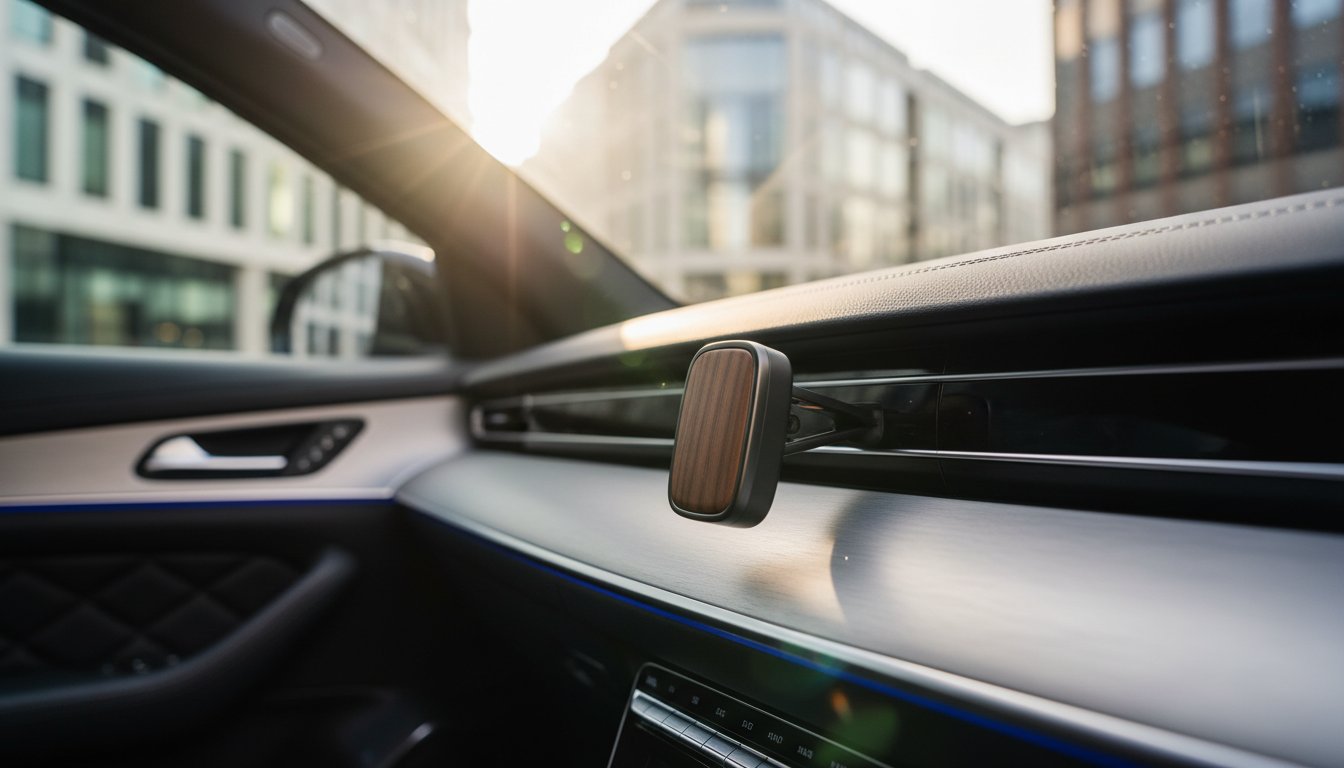
Vent clips attach to the car’s air vents and use airflow from the HVAC system to push fragrance into the cabin. Depending on the design, the scent comes from a fragranced insert, refill stick, gel, or oil-based cartridge. This format gives a more active scent throw, especially when the fan is running.
The advantage is control. Turn the airflow up and you usually get more fragrance. Turn it down and the scent softens. For drivers who want their car to smell refined rather than randomly overpowering, this format tends to feel more intentional.
Car diffusers
Car diffusers typically use fragrance oil held in a vessel with a cap, wick, wood top, or absorbent element that gradually releases scent. Some are designed to hang, while others sit securely in place. The fragrance moves from the liquid into the porous material, then into the air.
These often appeal to drivers looking for a more premium fragrance profile. They can deliver better depth and a more elevated scent character than basic novelty fresheners, though performance depends heavily on formula quality and placement.
Wood diffusers
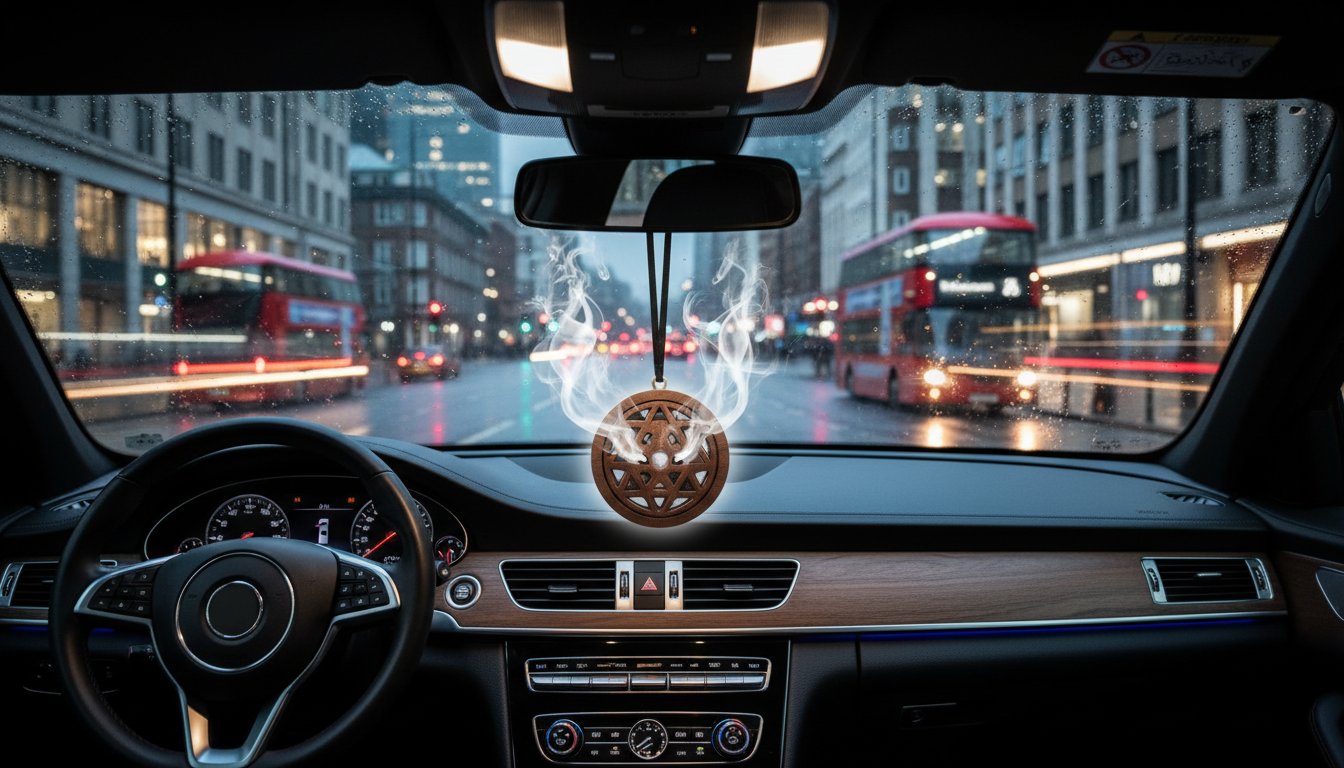
Wood diffusers rely on porous wood to absorb fragrance oil and release it slowly. Wood can create a softer, more natural scent diffusion that feels less harsh than heavily treated paper products. It also fits the look many drivers want now - clean, minimal, and premium.
The trade-off is that wood-based formats often prioritize a smoother scent experience over an aggressive blast. If you want your fragrance to announce itself instantly, another format may feel stronger.
Scent tins and gel formats
These sit in cup holders, under seats, or in storage areas and release scent from a gel, waxy base, or fragranced solid. Because the surface area is more contained, they can offer longer-lasting fragrance, but the scent may stay closer to where the tin is placed unless airflow helps move it around.
They’re useful for steady background fragrance and for people who don’t want anything hanging from the mirror or clipped to the vent.
Sprays
Sprays work differently from passive fresheners because they deliver fragrance immediately through a manual burst. They’re ideal when you want a quick reset before passengers get in or after food, gym gear, or a long commute. But they’re not usually the main answer for continuous scent. Think of them as instant impact, not slow release.
Why some car air fresheners last longer than others
Longevity comes down to formula, format, and conditions. Higher-quality fragrance blends often feel more balanced as they age, while lower-end products can lose their best notes early and leave behind a dull or overly sweet base. The material holding the scent matters too. A refill stick, dense absorbent core, or controlled diffuser system can slow evaporation better than a thin paper product exposed to open air.
Placement changes everything. A freshener in direct sunlight or right against a strong vent stream will usually run through fragrance faster than one placed in a more moderate environment. Even your driving habits make a difference. A rideshare driver with the AC running all day will experience scent release differently than someone who drives 20 minutes to work and parks in a garage.
That’s why there’s no universal lifespan that means much on its own. The better question is whether the product gives you the kind of scent experience you want for the time you expect.
What car air fresheners can and can’t do
A good air freshener can transform the mood of a cabin. It can make an older car feel cleaner, make a new car feel more personal, and make every commute feel less ordinary. For a lot of drivers, that shift matters. Your car is not just transportation. It’s part of your everyday environment.
What it can’t do is replace basic interior care. If the cabin has trapped moisture, pet odor, smoke residue, or stale food in the upholstery, you’ll get better results by cleaning first and then adding fragrance. Otherwise, you’re layering scent over a problem instead of upgrading the space.
This is where premium fragrance formats stand apart from generic ones. They’re not just trying to cover bad smells with brute force. They’re designed to shape the atmosphere of the car in a more polished way. That difference is exactly why many drivers move away from supermarket air fresheners and toward options with better scent quality, better presentation, and refill potential, like the kind Flava Car Scents is built around.
How to choose the right format for your car
If you want strong projection and quick cabin coverage, vent clips and active diffuser formats usually make the most sense. If you want something subtle and consistent, wood diffusers and tins are often a better fit. If your priority is convenience, hanging fresheners are still popular for a reason. If you like to switch scents often or top up before a shift, sprays are hard to beat.
There’s also a style factor. Some drivers care just as much about how the freshener looks as how it smells. That’s fair. A premium cabin should feel curated, not cluttered. The best format is the one that matches both your scent preference and the way you use your car.
A car air freshener works by turning fragrance into atmosphere. The right one doesn’t just make the air smell better. It changes how the whole drive feels, and that’s where scent stops being an afterthought and starts feeling like part of your signature.

Leave a comment
This site is protected by hCaptcha and the hCaptcha Privacy Policy and Terms of Service apply.