
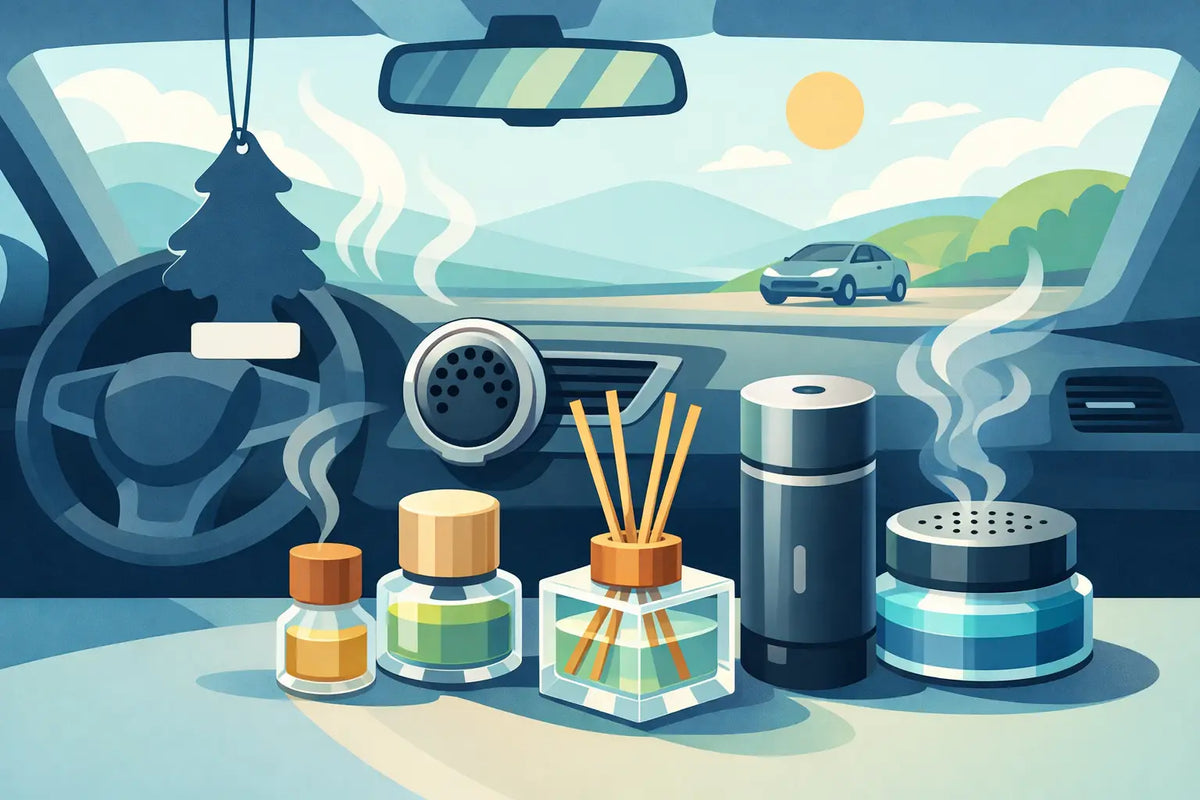
A clean car can still feel unfinished when the scent is flat, overly sweet, or gone by the second week. The right fragrance does more than cover up yesterday’s coffee run or a wet gym bag. It sets the tone every time you close the door. This car fragrance comparison breaks down the most popular formats so you can choose a premium scent experience that suits your vehicle, routine, and personal style.
Car Fragrance Comparison: Choose the Right Format
There is no single best car fragrance format for every driver. A daily commuter may want a set-it-and-forget-it option, while a rideshare driver might need an instant refresh between passengers. If your car is your pride and joy, the look of the product can matter just as much as the scent itself.
Start with two questions: Do you want consistent fragrance or a quick burst when needed? And do you want a visible accessory, or something more discreet? Your answer will usually point you toward the right format.
Vent clips and refill sticks: consistent, controlled scent
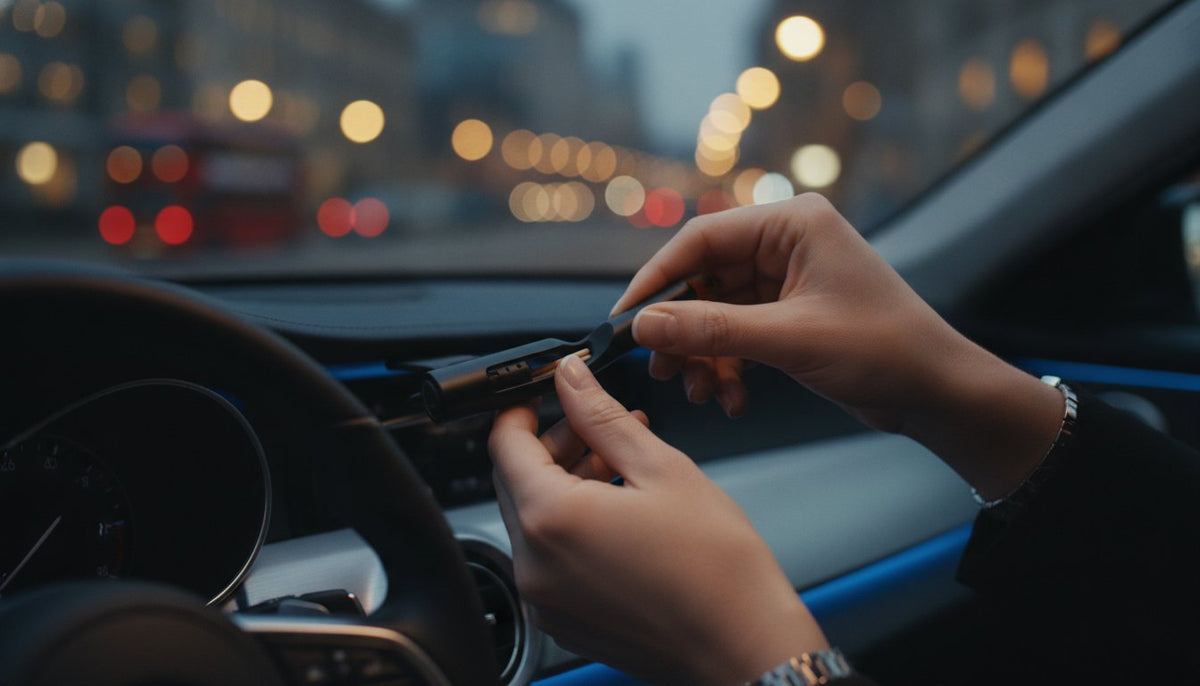
Vent clips are a strong choice for drivers who want fragrance to work in the background. They attach to an air vent and release scent as air moves through the cabin. When the climate control is running, you get a more noticeable fragrance experience. When it is off, the scent is typically softer.
This makes vent systems especially useful if you prefer control. Turn the fan up for more presence on a long drive, or keep airflow low when you want a subtle finish. A refillable vent clip paired with refill sticks also makes sense for regular fragrance users. Instead of replacing the full unit every time, you can switch scents and keep your setup looking sharp.
The trade-off is that performance depends on airflow. Drivers who rarely use heat or AC may find a vent clip less noticeable than a hanging or passive diffuser. Placement matters too. Avoid pointing a powerful vent clip directly toward your face if you are sensitive to fragrance.
Wood diffusers: premium style with a softer release
Wood diffusers bring a more polished look to the cabin. They are ideal for drivers who see their interior as part of their overall presentation, not just a place to get from A to B. The natural wood finish feels more elevated than a standard cardboard freshener and works particularly well in clean, curated interiors.
Because wood is a passive diffuser, scent release is generally more gradual. That can be a benefit if you dislike a fragrance that hits too hard the moment you get in. A wood diffuser creates atmosphere rather than demanding attention.
Choose this format if appearance is high on your list and you prefer a balanced, steady scent profile. It may not be the best standalone option after a spill, smoke exposure, or a heavy food odor. In those moments, pair it with a quick-refresh spray and let the wood diffuser handle the day-to-day ambience afterward.
Turbo can sprays: fast results when your car needs a reset
Sprays are made for immediate impact. A turbo can spray is the format to reach for after carrying takeout, driving with a dog, finishing a long road trip, or picking up passengers all day. A few controlled sprays can refresh the cabin quickly and give the interior a just-detailed feeling before you head out again.
For rideshare drivers and busy households, this convenience is hard to beat. You are not waiting for airflow or a passive material to release scent. You can refresh the car on your schedule.
The main consideration is restraint. More spray does not automatically mean a better result. Start light, especially in compact cars, then give the fragrance a minute to settle. Sprays are excellent for instant atmosphere, but they generally need more frequent application than a vent clip, tin, or diffuser.
Scent tins: discreet fragrance for everyday use
Scent tins are simple, flexible, and easy to place. Tuck one into a cup holder, door pocket, under a seat, or another secure area where it will not distract from the interior. They are a good fit for drivers who do not want anything hanging from a mirror or attached to a vent.
This format is also useful when you want fragrance in a specific zone. Place a tin closer to the back seat if passengers are usually riding there, or keep one in a trunk area that tends to hold sports gear and shopping bags. The scent is usually more understated than a spray, which makes tins a smart option for anyone who wants their car to smell good without announcing it from the driveway.
Heat can make passive fragrance formats feel stronger, especially when a car has been parked in the sun. That is not always a bad thing, but it is worth considering when choosing both the scent and placement.
Compare Scent Strength, Not Just Format
Format matters, but fragrance concentration and scent style matter just as much. A light, fresh designer-perfume-inspired profile may feel clean and airy in a vent clip, while a warmer amber, oud, vanilla, or woody scent can feel richer in a wood diffuser or tin. Neither is better. The right choice depends on the mood you want inside the car.
Fresh citrus, aquatic, and crisp aromatic scents tend to work well for daily commuting. They make a small cabin feel cleaner and more open, particularly in the morning or after a busy day. Fruity and sweet scents can bring more personality, but they can become intense if layered too heavily in a warm vehicle.
For a more luxury-led feel, consider deeper profiles with woods, musk, spice, leather-inspired notes, or smooth gourmand accords. These can make an ordinary commute feel more considered, like the cabin has its own signature. If you regularly carry coworkers, clients, or passengers, a sophisticated scent with moderate projection is usually the safest choice.
A useful rule: match the scent intensity to the size of the space. What feels subtle in an SUV may feel overwhelming in a compact sedan. Start with one fragrance source, live with it for a few drives, then decide whether your cabin needs more presence.
Layering Car Fragrance Without Overdoing It
Using more than one format can create a better experience, but only when each product has a clear role. The easiest pairing is a continuous fragrance format, such as a vent clip, wood diffuser, or scent tin, plus a spray for occasional resets.
Keep the fragrance family consistent. A fresh citrus vent clip and a dark vanilla spray may compete instead of complementing each other. Choose scents with a shared mood, such as clean and aquatic, warm and woody, or sweet and fruity. This gives your car a signature without turning the cabin into a fragrance counter.
Avoid running multiple strong sources at full power at once. If your vent clip is active, use spray sparingly. If you have a tin under the seat, select a softer scent for your hanging diffuser. Fragrance should make the space feel finished, not make passengers roll the windows down.
What Works Best for Your Driving Routine?
Daily commuters usually get the most value from refillable vent systems or wood diffusers because they provide a consistent upgrade without needing attention every morning. Drivers who spend long hours on the road may prefer a vent clip for adjustable strength, along with a spray for fast touch-ups between stops.
Car enthusiasts often lean toward wood diffusers, sleek vent clips, or other premium-looking formats that complement the interior rather than clutter it. For family vehicles, scent tins can be practical because they are easy to position away from little hands and can quietly support a cleaner-smelling cabin.
Gift buyers should think about versatility. A multi-pack bundle gives the recipient room to try different scents and formats instead of committing them to one fragrance style. It is an easy way to turn a useful car accessory into something that feels personal.
Flava Car Scents offers the advantage of format variety, so you can build a scent routine around how you actually use your car instead of settling for a generic freshener at the checkout counter.
Make Your Scent Last Longer
Car fragrance performs best in a clean cabin. Remove old food packaging, wipe down hard surfaces, vacuum fabric, and deal with the source of stubborn odors before adding a new scent. Fragrance can elevate a clean interior, but it cannot fully disguise damp carpet, smoke residue, or forgotten takeout.
Store spare fragrance products out of direct heat and sunlight until you are ready to use them. In the car, follow product instructions and keep sprays away from surfaces that could be marked by overspray. If a fragrance starts to feel too strong, reduce airflow to the vent clip, move a tin farther from the driver’s seat, or give the cabin a few minutes to air out.
Your car does not need to smell like everyone else’s. Pick a format that fits your routine, choose a scent that reflects your style, and let the interior make the same kind of impression as the rest of your drive.


Leave a comment
This site is protected by hCaptcha and the hCaptcha Privacy Policy and Terms of Service apply.