

A packed freeway, a long commute, a last-minute school run - your car can absorb the pressure of the day before you have even reached your destination. The right calming scents for driving will not change the traffic, but they can change the atmosphere around you. A refined fragrance makes the cabin feel cleaner, quieter, and more like your own space.
The goal is not to fill the car with the strongest scent possible. It is to choose something polished enough to take the edge off a hectic drive without becoming distracting after 20 minutes. Think soft woods, fresh linen, smooth musk, and warm notes with a designer-perfume feel.
What Makes a Car Scent Feel Calming?
Calming fragrance is usually about balance. Sharp, overly sweet, or intensely fruity scents can feel energetic and fun, but they may not suit a daily commute or a cabin that is already warm and enclosed. Softer fragrance families create a more relaxed impression because they sit closer to the background.
Clean notes often make a car feel freshly detailed: think airy cotton, light citrus, watery accords, and a subtle soap-like finish. Woody scents bring depth without needing to be loud. Musk adds a smooth, skin-like warmth, while gentle amber and vanilla notes can make the interior feel more expensive and inviting.
Personal preference still matters. A fragrance that feels calming to one driver can feel too sweet or too powdery to another. The best choice is the one you enjoy after repeated drives, not just the one that smells impressive for the first five seconds.
7 Calming Scents for Driving
1. Clean linen and fresh cotton
A clean linen scent is one of the easiest ways to make a car feel put together. It gives the impression of a freshly cleaned interior without smelling like a harsh household product. For commuters, rideshare drivers, and anyone who wants a reliable everyday option, this is a strong starting point.
Look for versions with soft musk, light woods, or a touch of citrus underneath. Those details keep the fragrance from becoming too laundry-like and give it a more premium finish.
2. White musk
White musk is understated in the best way. It is smooth, clean, and lightly warm, with a refined finish that works in nearly every season. In a vehicle, it creates a quiet luxury feel rather than announcing itself the second someone opens the door.
This is a great option if you like designer-inspired fragrances but do not want something overtly floral, sugary, or heavy. It also layers well with the natural scent of leather, suede, or a clean fabric interior.
3. Sandalwood
Sandalwood brings a soft, creamy woodiness that feels grounded and polished. Unlike sharper wood notes, sandalwood tends to feel rounded and warm, making it especially good for evening drives, longer road trips, and cooler weather.
It depends on the blend, though. Sandalwood paired with pepper, smoke, or strong spice can feel more dramatic than calming. For a relaxed cabin, choose a smoother profile with musk, amber, or a clean citrus opening.
4. Amber and soft vanilla
Amber and vanilla can make a car feel warm, welcoming, and expensive when used with restraint. The key word is restraint. A subtle amber-vanilla fragrance has the comfort of a favorite sweater; an overly sweet version can become cloying in a compact cabin.
Choose a blend balanced with woods, tonka, or musk. That keeps the sweetness sophisticated and gives your drive a richer, more relaxed mood. It is particularly suited to drivers who find crisp, fresh scents a little too cold.
5. Lavender with clean notes
Lavender has a classic association with relaxation, but it does not have to smell old-fashioned or overly floral. In a modern car fragrance, lavender works best when mixed with fresh linen, bergamot, sage, or soft woods.
This kind of blend feels clean and composed, which makes it ideal for busy daily routines. Avoid anything too medicinal or strongly herbal if you are scent-sensitive. A lighter lavender accord is usually more comfortable in an enclosed space.
6. Bergamot and light citrus
Citrus can be calming when it is bright but not aggressive. Bergamot is especially effective because it has a softer, more elegant profile than a straight lemon or orange scent. It brings a clean, fresh lift without making the interior smell like a cleaning spray.
Bergamot blends beautifully with tea, neroli, musk, and cedar. If your car often feels stuffy after parking in the sun, this type of fragrance can make the first few minutes behind the wheel feel noticeably fresher.
7. Cedarwood and cashmere woods
Cedarwood has a dry, refined quality that gives a cabin structure and depth. Cashmere woods take that feeling in a softer direction, often blending smooth woods with musk and amber for a cozy, luxury-inspired effect.
These scents are ideal if you want calm without sweetness. They feel confident, clean, and grown-up, especially in darker interiors or vehicles with leather trim. They also tend to remain appealing over time, which matters when you use the same scent format every day.
Choosing the Right Format for a Calmer Drive
The fragrance itself matters, but so does how it is delivered. A vent clip can offer a steady, low-effort scent experience for everyday driving. It is a smart choice if you want the fragrance to feel present but not overwhelming. Refillable vent systems are especially useful when you have found a signature scent and want an easy way to keep it going.
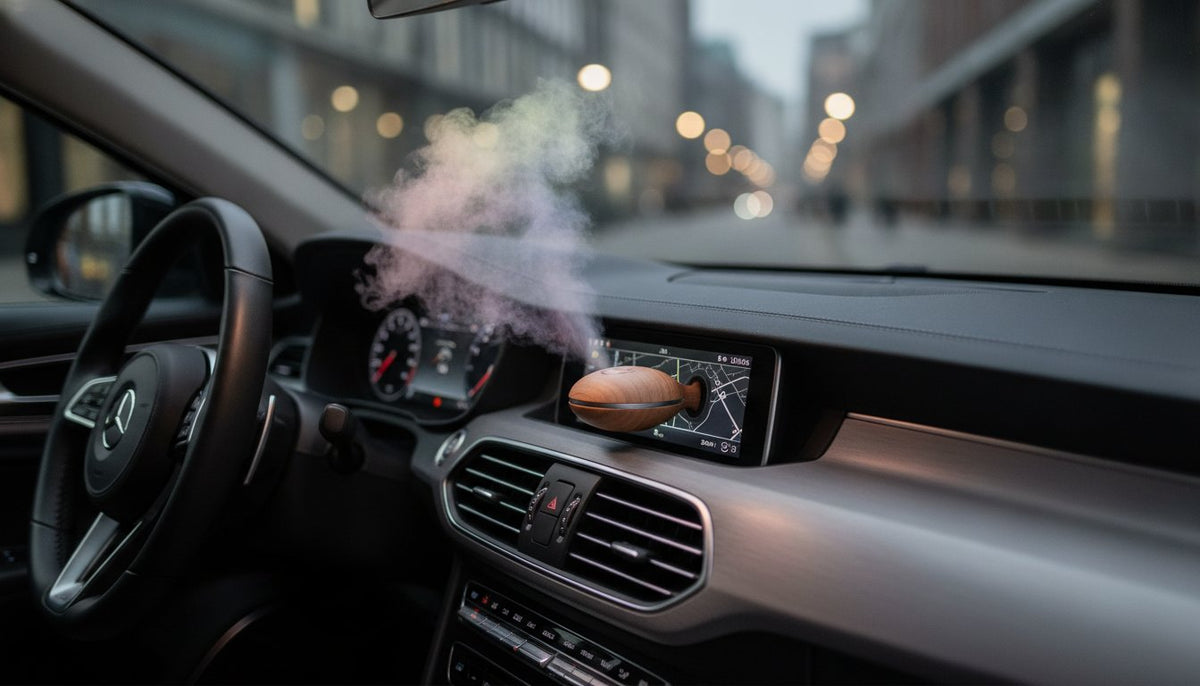
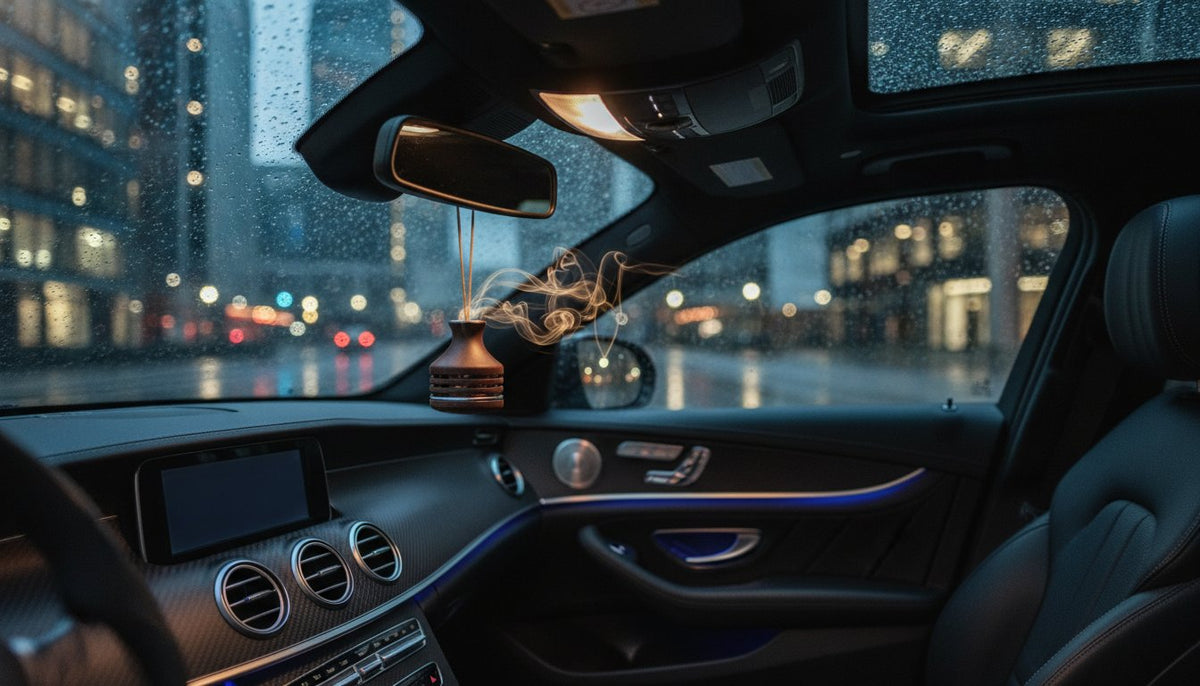
Wood diffusers offer a more visual, premium look and often release fragrance gradually. They suit drivers who care as much about the details of the interior as the scent itself. A scent tin can work well for a subtle background fragrance, while a spray gives you more immediate control before a passenger gets in or after a gym session, takeaway run, or wet-weather drive.
For a first purchase, variety can be the better move. A multi-pack lets you test how fresh, woody, warm, and musky profiles actually perform in your car. Temperature, cabin size, air conditioning, and how often you drive all affect the experience. What smells perfect in a large SUV may feel too intense in a compact sedan.
How Strong Should Your Car Fragrance Be?
For calming scents, less is usually more. You should notice the fragrance when you enter the car, then let it settle into the background as you drive. If it gives you a headache, competes with your coffee, or becomes the only thing you can think about at a red light, it is too strong.
Start with a lower setting or fewer sprays, especially in warm weather. Heat can make fragrance project faster and more intensely. If you use a vent clip, adjust airflow before assuming the scent itself is too powerful. If you use a spray, aim it away from surfaces and use only enough to refresh the atmosphere.
Keep in mind that fragrance is an atmosphere upgrade, not a replacement for safe driving habits. If you are tired or struggling to focus, pull over when safe, take a break, and do not rely on any scent to keep you alert.
Build a Scent Rotation That Fits Your Routine
One fragrance does not have to do every job. A crisp linen or bergamot scent may suit weekday mornings, while sandalwood, amber, or cashmere woods can make evening drives feel more relaxed. Keeping a small rotation also helps prevent scent fatigue, where you stop noticing a fragrance you once loved.
For a polished daily setup, choose one clean daytime scent and one warmer option for nights, weekends, or longer drives. If you carry passengers often, lean toward fresh musk, linen, or subtle woods. They feel welcoming without being too personal or overpowering.
Your car is one of the few spaces you use entirely on your own terms. Choose a fragrance that makes every drive feel considered, whether you are heading to work, picking someone up, or taking the long way home. Flava Car Scents makes that everyday luxury easy to keep in rotation.

Leave a comment
This site is protected by hCaptcha and the hCaptcha Privacy Policy and Terms of Service apply.